
Plants
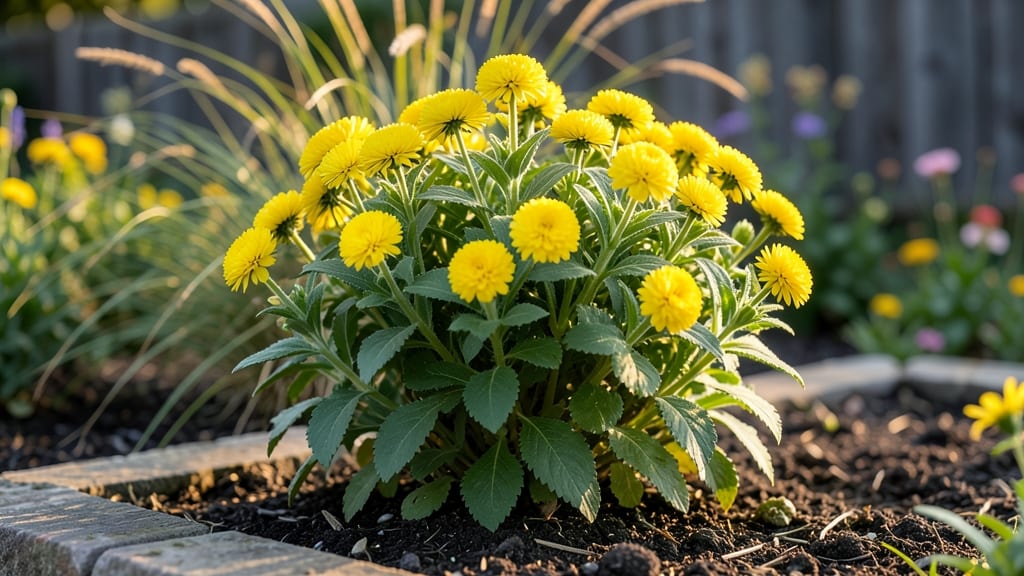
The American goldfinch plant (Solidago canadensis) blooms for 4-6 weeks in late summer to fall, attracting pollinators like goldfinches, and thrives in full sun with well-drained soil and minimal maintenance. Deadheading spent blooms extends flowering season and encourages reblooming.
The Solidago canadensis earns its name from the goldfinches it draws to its bright yellow blooms, which open sequentially along its stems. 🌼 This staggered flowering pattern ensures a continuous display, making it a garden standout.
Unlike many perennials that bloom once and fade, this plant's extended cycle—often lasting 6 weeks or more—comes from its ability to produce new flower buds throughout the season. The key to unlocking this performance lies in its sunlight requirements and soil health, which I'll cover in the next section.
What many gardeners don't realize is how adaptable this plant is to different climates. In hotter regions, it may start blooming earlier and extend into early fall, while cooler areas see more concentrated late-summer flowering.
The plant's hardiness (USDA zones 3-9) means you can grow it almost anywhere with proper care. For best results, I recommend planting in well-draining soil and avoiding overwatering—this native North American species actually prefers drier conditions once established.
💡 In This Article
- Why American Goldfinch Plant Flowers Last So Long
- Optimal Growing Conditions for Prolonged Blooms
Why American goldfinch plant flowers last so long
The Solidago canadensis exhibits a unique sequential blooming pattern that keeps its bright yellow flowers visible for weeks. Unlike many plants that produce all their blooms at once, this species opens flowers from the bottom of the stem upward, creating a cascading effect.
Each flower typically lasts only 3-5 days, but since new buds continuously form at the stem's base, the entire plant remains in bloom for 4-6 weeks. This process is called prolonged anthesis, a trait shared with other perennials like coneflowers but more pronounced in goldfinch plants.
Sunlight acts as the primary trigger for this extended display. The plant requires full sun (6-8 hours daily) to maximize photosynthesis, which fuels continuous flower production. When grown in partial shade, blooms may appear sparser and shorter-lived.
Temperature also plays a role—ideal blooming occurs when daytime highs reach 75-85°F, while cooler nights help preserve flower longevity. The plant's native range across North America (from Canada to Mexico) reflects this adaptability to varying climates, though northern gardens may see slightly shorter bloom periods.
What makes this plant truly remarkable is its pollinator magnetism. The bright yellow blooms attract goldfinches, bees, and butterflies, which actively visit the flowers to feed on nectar and pollen. This interaction isn't just beneficial for wildlife—it also stimulates the plant to produce more flowers, creating a self-sustaining cycle.
The 1-3 foot tall stems provide easy access for pollinators while maintaining an elegant garden presence. Unlike some showy annuals that rely on constant deadheading, Solidago canadensis maintains its display with minimal intervention.
Botanists classify this plant as a continuous bloomer due to its ability to produce flowers throughout the growing season. The key mechanism involves its indeterminate growth habit, where the main stem continues elongating while producing flowers along its length.
This contrasts with determinate growers like tomatoes, which set all flowers at once. The plant's deep root system also contributes to its resilience, allowing it to access water and nutrients even during dry spells—another factor extending its bloom duration.
For gardeners wanting to maximize this plant's performance, understanding its light requirements is crucial. While it tolerates some shade, full sun produces the most abundant and longest-lasting blooms. The plant's native prairie habitat explains its preference for well-drained soil, which prevents root rot that could shorten the flowering season.
Interestingly, the plant's common name—goldfinch plant—reflects its ecological role rather than its appearance, as it's the goldfinches' diet of seeds (not the flowers themselves) that gives the name its meaning.
One often-overlooked factor is how the plant's flower structure contributes to its longevity. Each bloom has a tubular shape that protects its reproductive parts from harsh weather, allowing flowers to remain viable longer.
The 1/4-inch wide blossoms also have a unique arrangement where the outer petals curve backward, creating a landing platform for pollinators while shielding the inner reproductive structures. This architectural feature helps maintain flower health during the plant's extended blooming period.
The plant's ability to rebloom after deadheading spent flowers is another key to its prolonged display. When you remove faded blooms, you're encouraging the plant to redirect its energy toward producing new flowers rather than setting seed.
This simple technique can extend the blooming season by 2-3 additional weeks in optimal conditions. The plant's perennial nature means it will return year after year with the same impressive performance, making it an excellent low-maintenance garden staple.