Why I started When To Plant Now
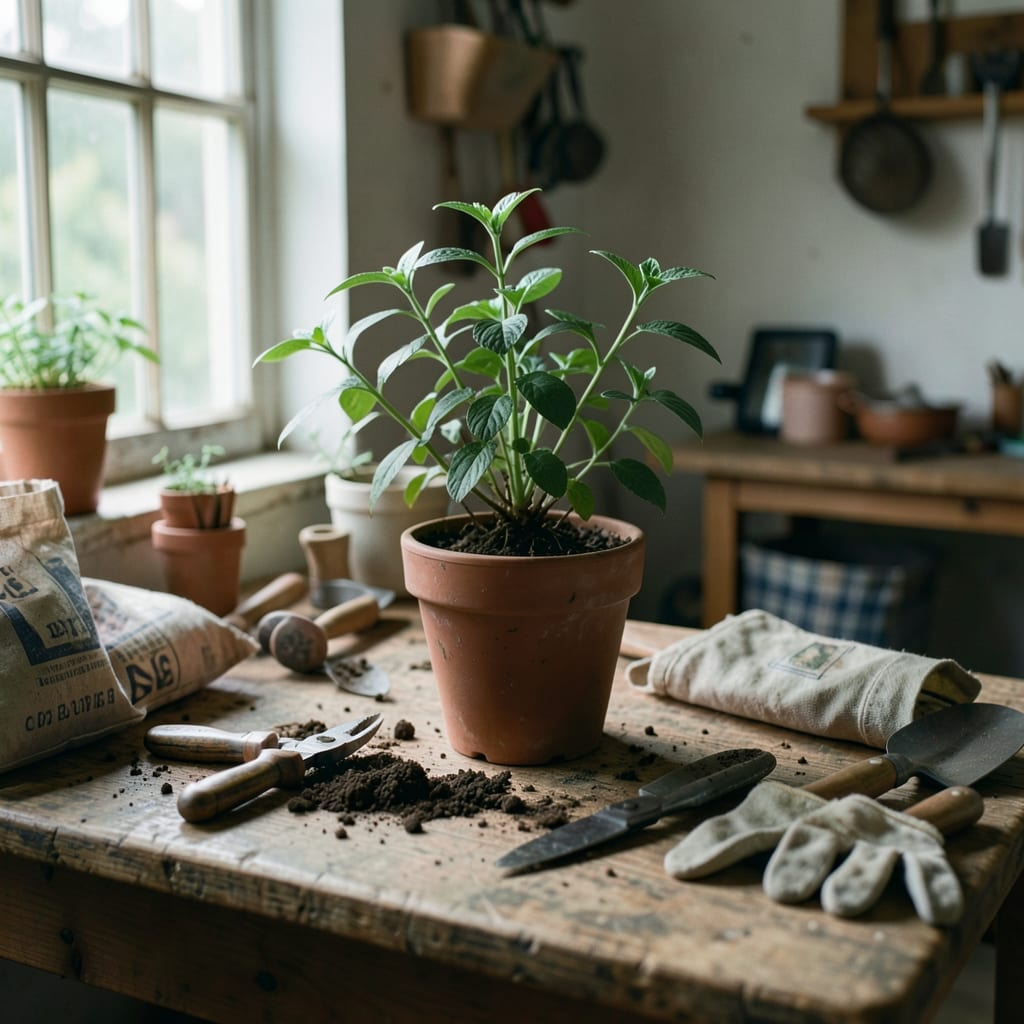
It was a late April afternoon in 2019, and I’d just planted my first batch of heirloom tomatoes from seed. The soil was too cold, the seeds too shallow, and by the time the first shoots appeared, they were leggy and pale, stretching toward the light like starving children.
I’d followed every rule I’d read—direct sowing, full sun, well-draining soil—but none of it accounted for the way my backyard’s microclimate played tricks on the calendar.
That’s when I realized most planting guides were written for an ideal world, not the one where frost lingers in the valleys, where afternoon shade turns a sunny patch into a shadow, or where your neighbor’s oak tree drops acorns like confetti every October.
This site exists for the rest of us: the gardeners who check the moon phases but still get caught by a late frost, who swear by companion planting only to watch their basil bolt overnight. Here, you’ll find planting times that match real weather, not just averages.
Meet the founder
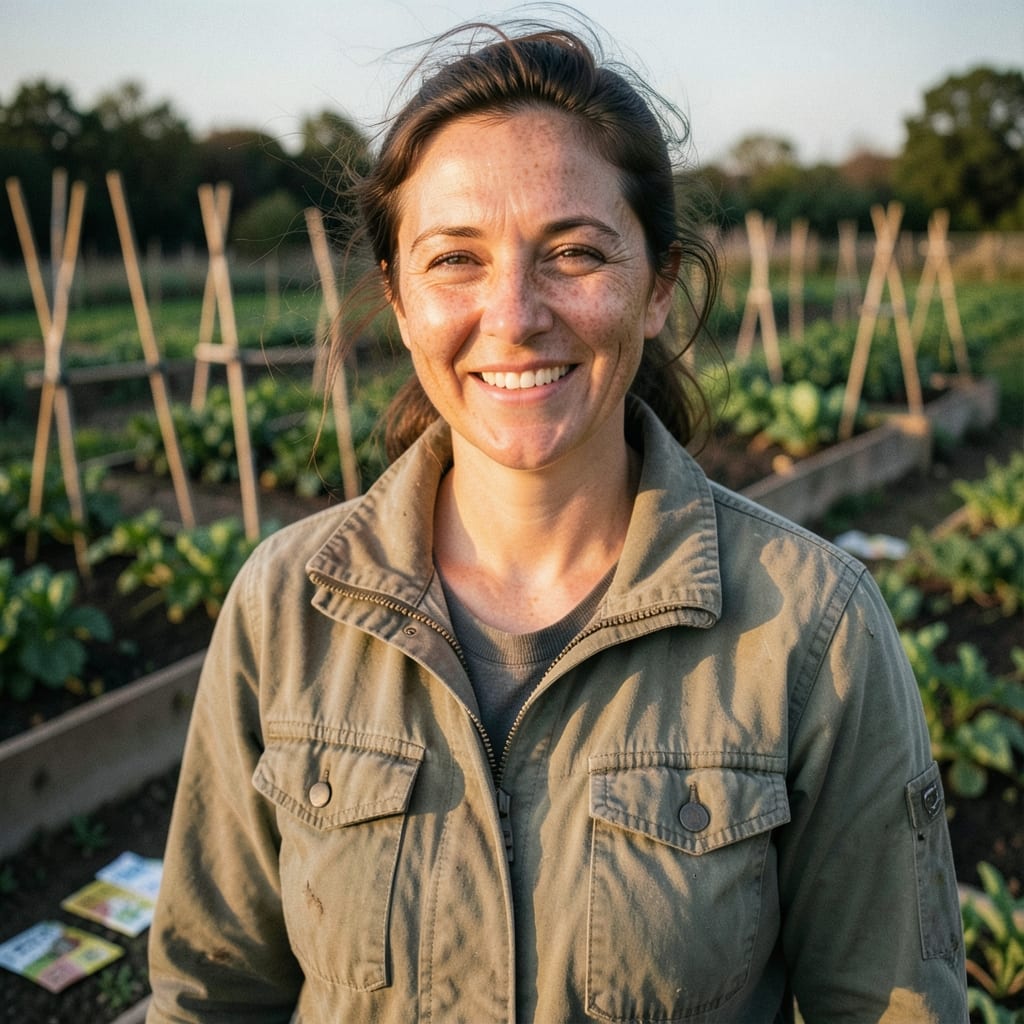
My grandmother’s hands were the first garden I ever knew. She’d press seeds into the palm of her weathered skin—‘Like this, Nina, feel how the soil remembers’—before tucking them into the earth.
I was eight when she showed me how to tell if a seed was still alive by floating it in a bowl of water. Mine sank immediately. ‘Good,’ she said. ‘That one’s stubborn.’ (It grew into a chili pepper so hot it made my eyes water.)
The object I still own is a 1972 issue of *Old Farmer’s Almanac* with my name scrawled in the margins. The ‘best planting days’ chart is dog-eared, and the notes I added—‘April 12: frost!’ ‘June 5: soil still cold’—are the only things that saved my early attempts.
The book’s spine is cracked, but I keep it on the windowsill because the ink never lies: it just tells you when to listen harder.
The failure that changed everything was the year I planted my zucchini too early. The seedlings emerged just as a late frost hit, and by the time I realized my mistake, the roots were rotting.
I’d read that zucchini are ‘hardy,’ but no guide warned me that ‘hardy’ doesn’t mean ‘invincible.’ After that, I started tracking soil temperature with a cheap thermometer and a whiteboard in the shed. Now, I mark the date I hit 60°F in the ground with a red X—no exceptions.
The habit I can’t shake is talking to my plants. Not the poetic kind—‘Oh, sweet basil, you’re doing so well’—but the practical kind: ‘Your leaves are curling because you’re thirsty, not because it’s too hot.’ My neighbor thinks I’ve lost it.
I think it’s the only way to catch the early signs of trouble. And yes, I water them when I’m ‘supposed’ to, even if I’m in a hurry. Some rules aren’t negotiable.
I still remember the first tomato I grew from seed—it was tiny, uneven, and tasted like victory. That was the year I got hooked on gardening, and now I can’t imagine a season without a plot of soil and a handful of dreams.
Nina Tanaka, Founder & Editor
Meet the mascot

The mascot started as a scribble on a napkin at a café in Portland, where I was waiting for a bus and sketching seed packets. The first attempt looked like a cross between a gnome and a radish—too round, too cheerful, with a hat that kept toppling over.
I was laughing so hard the barista asked if I was okay. (I pointed to the drawing and said, ‘This is my garden’s personality.’)
The proper version came on a legal pad at my kitchen table, where the light hits just right for pencil work. I simplified the hat into a single leaf, gave the face a permanent squint (because gardeners squint), and turned the overalls into vertical lines to mimic rows of plants.
The name? ‘Dirt.’ It’s not clever, but it’s honest. And it fits in a browser tab without losing its shape.
The biggest thing that had to go was the original’s ‘happy’ expression. Early tests showed it looked like a cartoon character, not a gardener’s helper.
So I made the eyebrows thicker, added a smudge of dirt under one fingernail, and gave the mouth a permanent ‘hold on, let me check the soil’ frown. Now it’s the face of someone who’s seen a tomato hornworm at breakfast and still shows up to work.
What I promise you
This site won’t tell you to ‘plant when the soil is warm’ without also telling you how to test that warmth—or what to do if your soil stays cold longer than the guide says. You’ll get the *why* behind every rule, not just the *when*.
What you can hold me to
- Every planting date includes a ‘backup week’ for late frosts, urban heat delays, or the year your soil decides to play hard to get.
- Soil temperature and moisture notes are as specific as the forecast. (Yes, I check both before I plant.)
- The ‘failures’ section isn’t an afterthought—it’s where the most useful lessons live. Like the time I thought ‘well-draining soil’ meant ‘sandy,’ or how basil bolts when you ignore the moon’s waxing phase.
- No generic ‘full sun’ advice. You’ll get light requirements tied to your location’s actual hours of sun, not the textbook definition.
How I create a planting guide
A planting guide starts with dirt—literally. I dig a hole (yes, even in winter), press my palm into the soil, and wait. If it springs back slowly, it’s still too wet. If it cracks when I pull my hand out, it’s too dry.
That’s the first rule: the soil’s memory matters more than the calendar. After that, I cross-reference local weather patterns, lunar cycles, and the quirks of my own backyard (like the spot where the morning sun hits late because of the neighbor’s fence).
The soil test
I take soil samples from three spots in the bed—surface, mid-depth, and where the roots will go—and test them with a cheap moisture meter. If the top layer is dry but the bottom stays damp, that’s where roots will rot if I plant too early.
I also press a seedling’s leaves between my fingers: if they crush easily, the plant’s not ready for transplanting, no matter what the guide says.
The first sign it’s gone wrong is when the seedlings lean toward the light like drunkards. That’s my cue to move them under grow lights or into a sunnier spot—immediately.
And if the soil temperature drops below 50°F after I’ve planted, I cover the bed with row fabric until it warms up. No shortcuts. The soil doesn’t lie, and neither will I.
The backup plan
If the weather betrays me, I switch to container gardening. A five-gallon bucket with drainage holes can save a crop when the ground’s still frozen. I’ve even planted tomatoes in black plastic bins on my balcony when the front yard was still a mud pit.
The key is watching the soil’s edge: if it’s crumbling when you squeeze it, it’s ready. If it sticks together like clay, it’s not.
The fixing that follows is always about patience. Overwatered? Let the soil dry out until it’s crumbly again. Underwatered? Mulch heavily and water deeply—once, not in drips. And if the plants look stressed?
I strip off the biggest leaves to reduce water loss and shade the roots with a piece of cardboard until they recover. Gardens don’t fail because of bad luck; they fail because we stop listening.
How a page gets onto this site
Every guide starts as a series of notes scribbled in the margins of my gardening journal—soil temps, moon phases, what the neighbor’s dog did to my plot last week. I rewrite those notes into a rough draft while the plants are still growing, so the lessons are fresh.
The second read cuts the fluff: if a paragraph doesn’t answer ‘why,’ ‘how,’ or ‘what if,’ it goes. And if a page gets rewritten months later? That’s usually because I planted something the same way again and finally got it right.
Write to me
I love hearing about the plants that outsmarted you—like the time your zucchini vines took over the patio or the basil that bolted before you could use it.
Or the victories: the first tomato you grew from seed, the row of carrots that came out straight, the time you outwitted a late frost.
Send me your stories, your questions, or even just the weirdest thing that happened in your garden this year. (I’m still trying to figure out why my marigolds always attract so many bees.)
You’ll find me on the contact page, ready to swap tales or argue about whether lunar planting is real. Just don’t ask me to choose between tomatoes and peppers—I’ll side with whatever’s in season.
The guides are grouped by category: Advice, Aphids, Blooming, Companion Plants, Container Gardens and Diseases.