
Planting
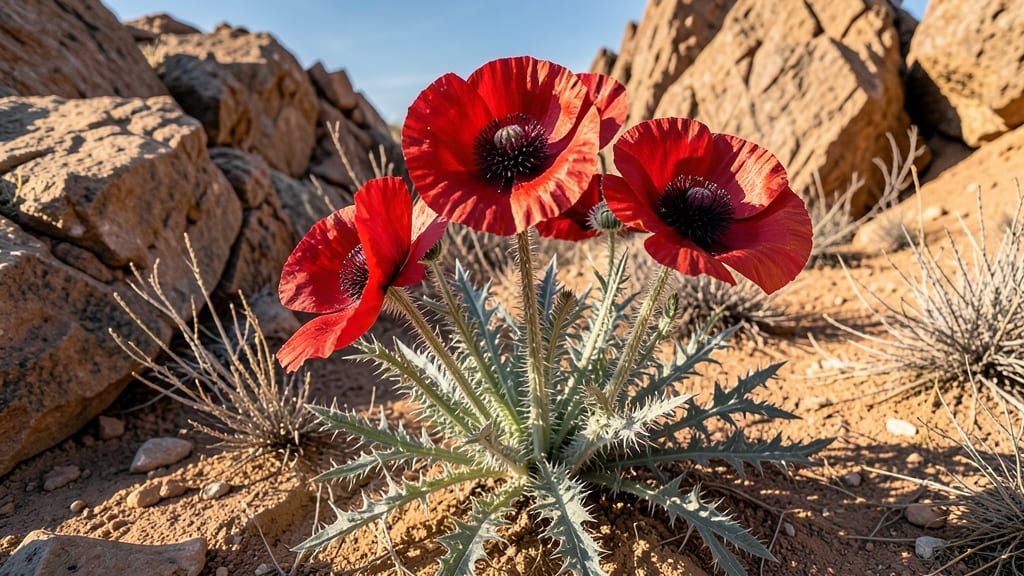
Poppies bring bold beauty and effortless charm to any garden. These 10 varieties span hardiness zones 3-10 and bloom from early spring to late fall, offering year-round color with minimal maintenance.
California Poppy: Drought-Tolerant Orange Beauty
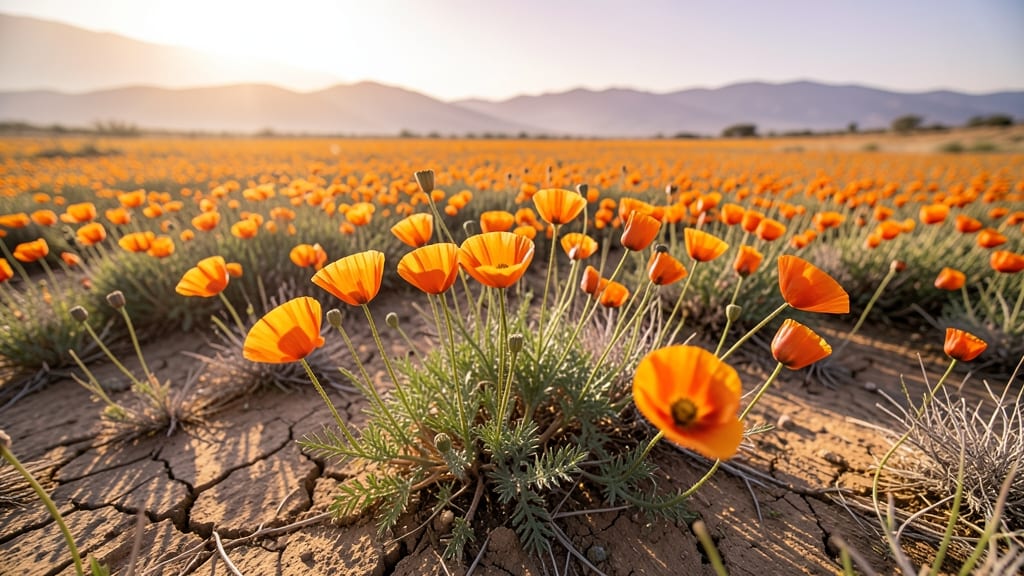
Want a garden that thrives on neglect but still delivers jaw-dropping color? The California poppy (Eschscholzia californica) is your secret weapon—its bright orange blooms spread like liquid gold across drought-stricken landscapes, creating a mesmerizing carpet effect that lasts all summer.
This drought-tolerant annual (or short-lived perennial) thrives in zones 6-10 with just 6 hours of sun and almost no water once established. Plant seeds directly in well-draining soil in early spring or fall—it self-seeds prolifically, so you’ll get free blooms for years. The pollinator magnet attracts bees and butterflies while repelling deer, making it ideal for low-maintenance xeriscaping.
Perfect for beginners, urban gardeners, and anyone craving year-round color with zero fuss, this poppy turns even the driest spots into a sunlit masterpiece. 🌻
Opium Poppy: Exotic Black Velvet Blooms
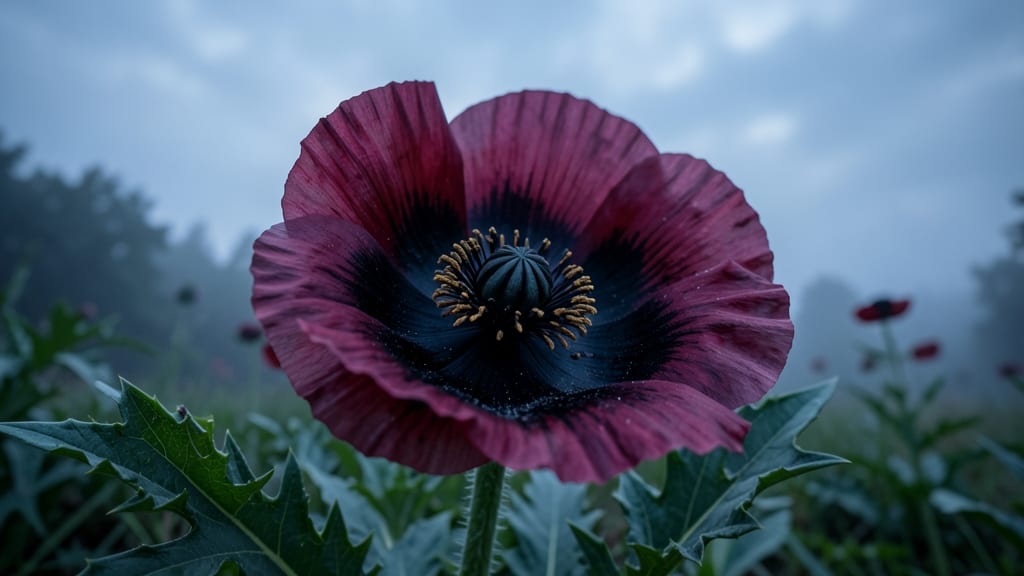
If you crave drama in your garden without the fuss, the opium poppy (Papaver somniferum) delivers with its velvety black-centered blooms that look like they’re straight out of a fairy tale. Unlike its drought-loving cousin, this poppy thrives in cooler climates (zones 4-8) and becomes the star of cottage gardens or cutting arrangements.
These exotic blooms last 2-3 weeks per stem, making them ideal for photographers chasing moody, high-contrast shots. Plant seeds directly in well-drained soil after the last frost, spacing them 12 inches apart for full impact. The deep burgundy petals fade beautifully into silver-gray foliage, creating a striking contrast that’s perfect for mixed borders or as a focal point in containers.
Photographers and cottage gardeners will love how these poppies age gracefully in bouquets while adding a touch of old-world romance to any space. Just remember—this variety is not for consumption due to its opium content. 🌻
Iceland Poppy: Hardy Arctic Survivor
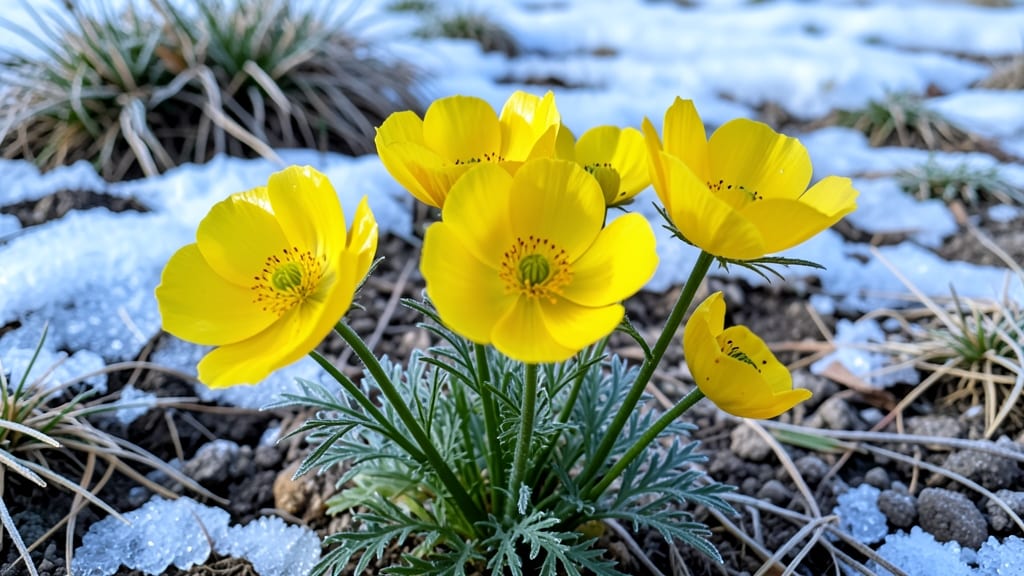
If you're craving early spring color when most gardens are still dormant, the Iceland poppy (Papaver nudicaule) is your secret weapon. This cold-hardy annual thrives in zones 3-9 and blooms as soon as snow melts, often before perennials even think about waking up.
Its bright yellow flowers (though some varieties offer pink, orange, or white) hold their own in partial shade and even poor, rocky soils—making them ideal for alpine gardens, slopes, or containers. Plant seeds directly in fall or early spring for a 6-8 week bloom window that lasts until summer. Unlike fussy poppies, Iceland poppies don’t mind being crowded and self-seed reliably for future displays.
Perfect for gardeners in northern climates or those with shady spots, this poppy proves you don’t need perfect conditions for stunning blooms. 🌱
Corn Poppy: Classic Red Field Poppy
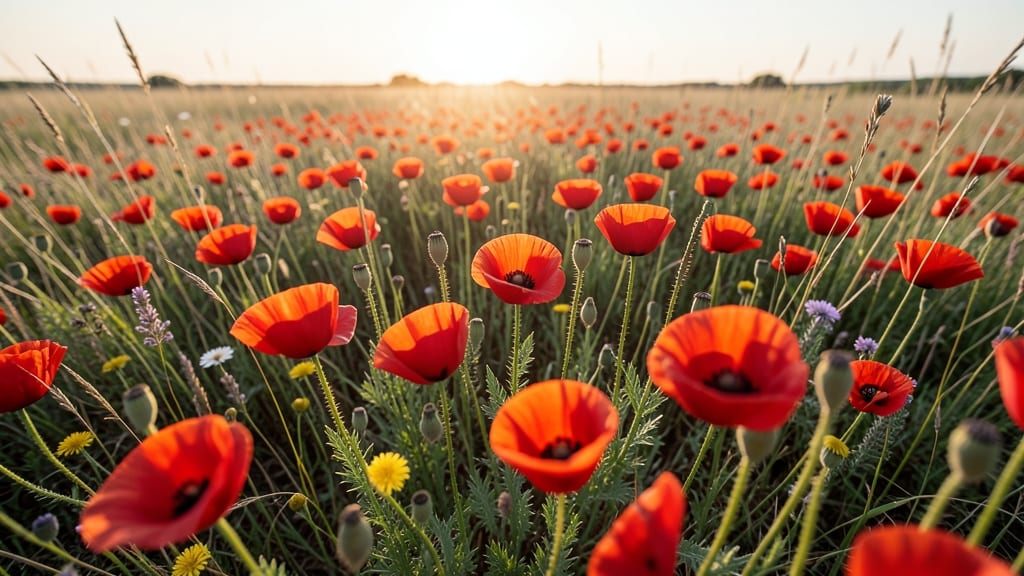
If you crave a garden that feels like stepping into a vintage postcard, the corn poppy delivers with its scarlet blooms and effortless meadow charm. This iconic field poppy thrives in zones 3-10, making it one of the most adaptable poppies for North American gardens.
Corn poppies self-seed prolifically, creating naturalized meadows that require little maintenance once established. They flourish in full sun and well-drained soil, with their black-centered blooms symbolizing remembrance and adding a nostalgic touch to any landscape. Deadhead spent flowers to encourage more blooms, but leave some seed heads for next year's display.
Perfect for wildflower enthusiasts, pollinator gardens, and cottage-style landscapes, corn poppies bring joy with minimal effort. 🌻
Mexican Poppy: Long-Blooming Sunset Colors
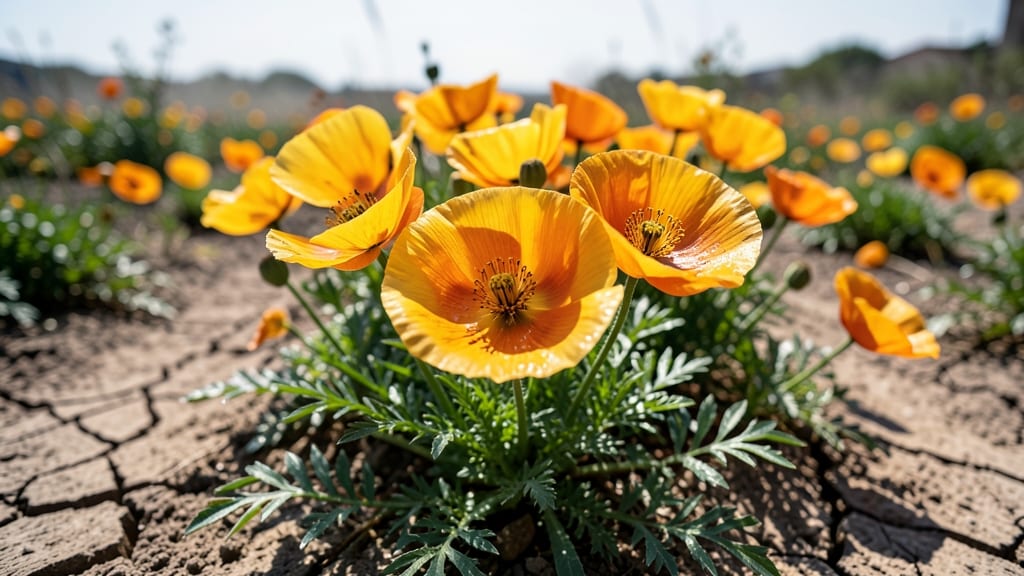
If you love a garden that stays vibrant even during the hottest months, the Mexican poppy (Eschscholzia mexicana) is your secret weapon. Unlike many poppies that fade in summer heat, this heat-tolerant annual thrives in zones 7-11 and blooms continuously from spring until frost—no deadheading required!
Its soft peach, coral, and salmon blooms create a dreamy sunset effect, perfect for tropical gardens, patios, or containers. Plant it in full sun with well-draining soil, and watch it self-seed for effortless renewal. Deadhead spent blooms to encourage even more flowers, and pair it with succulents or lavender for a low-maintenance desert-inspired look.
This poppy is ideal for urban gardeners in hot climates or anyone who wants year-round color with minimal fuss. 🌻
Shirley Poppy: Double-Bloom Cottage Garden Favorite
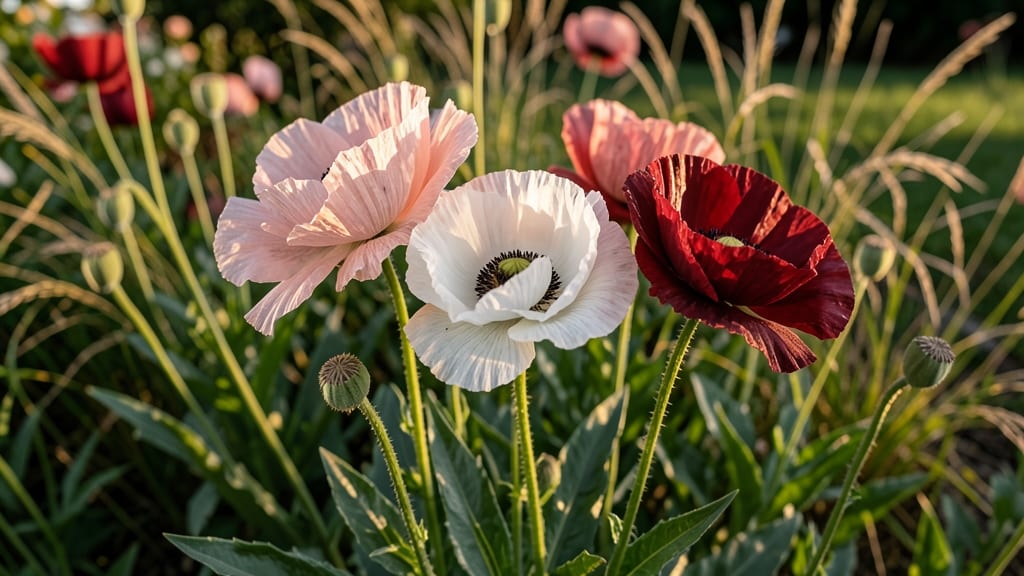
If you crave poppies with old-world charm and heirloom pedigree, the Shirley poppy delivers with its ruffled double blooms in delicate pink, white, and red hues. Unlike its opium cousins, this variety is completely legal and non-addictive, making it a guilt-free choice for gardeners in zones 4-9.
These 3-4 week bloomers thrive in full sun with well-drained soil, producing cutting garden quality stems that last up to a week in vases. Deadhead spent blooms to encourage continuous flowering, and save seeds for next year's garden—this variety self-sows reliably without becoming invasive. The papery petals add texture to cottage gardens, borders, and wildflower meadows alike.
Perfect for beginners, Shirley poppies offer low-maintenance elegance with high visual impact. Their disease resistance and adaptability make them ideal for urban gardens, country estates, or anywhere you want old-fashioned romance. 🌷
Blue Poppy: Rare Alpine Treasure
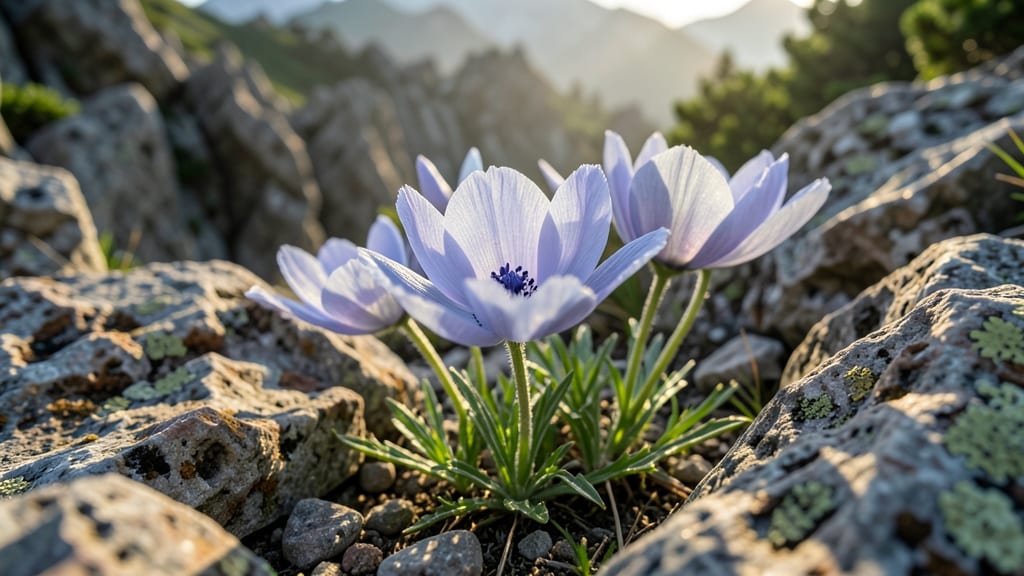
Looking for a poppy that stands out from the crowd? The blue poppy (Meconopsis betonicifolia) is a true showstopper with its pale lavender-blue blooms that appear almost magical in alpine gardens. Unlike most poppies, this rare beauty thrives in rocky, well-drained soils and even tolerates light frost, making it perfect for high-elevation gardens or containers with excellent drainage.
Native to the Himalayas, this perennial blooms in late spring to early summer, attracting hummingbirds with its nectar-rich flowers. Plant it in partial shade where it can mimic its natural rocky habitat—mix in gravel or sand to prevent root rot. While it’s not as hardy as some annual poppies, its unique color and pollinator appeal make it worth the extra care.
Ideal for gardeners in zones 5-9 who want something different, the blue poppy adds a cool-toned contrast to warm borders. Pair it with purple clematis or silver foliage for a striking alpine display. Just be patient—it can take a year or two to establish before blooming reliably. 💚
Fumewort Poppy: Fragrant Perennial Option
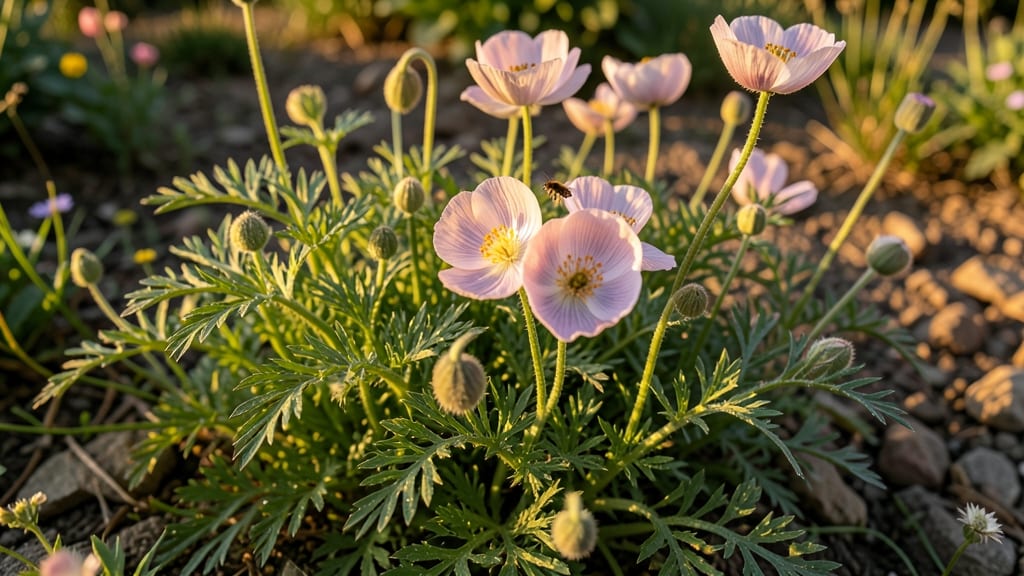
When most poppies fade by midsummer, the fumewort poppy (Corydalis solida) steps in with a fragrant late-season show. This underrated perennial thrives in zones 4-8, offering delicate pink blooms and a spicy, clove-like scent that fills the air when bees and butterflies flock to its nectar.
Unlike its annual cousins, fumewort poppies return year after year with minimal care—just partial shade and well-draining soil. Deadhead spent blooms to encourage more flowers, and watch as it self-seeds gently to create naturalizing clusters. The late-summer bloom (August-September) makes it a standout in pollinator gardens when other poppies have retired.
Perfect for woodland edges, cottage gardens, or containers, this poppy brings both beauty and fragrance to spaces where most poppies struggle. It's the ideal choice for gardeners who want season-long interest without the fuss. 🌻
Tree Poppy: Tall Dramatic Specimen
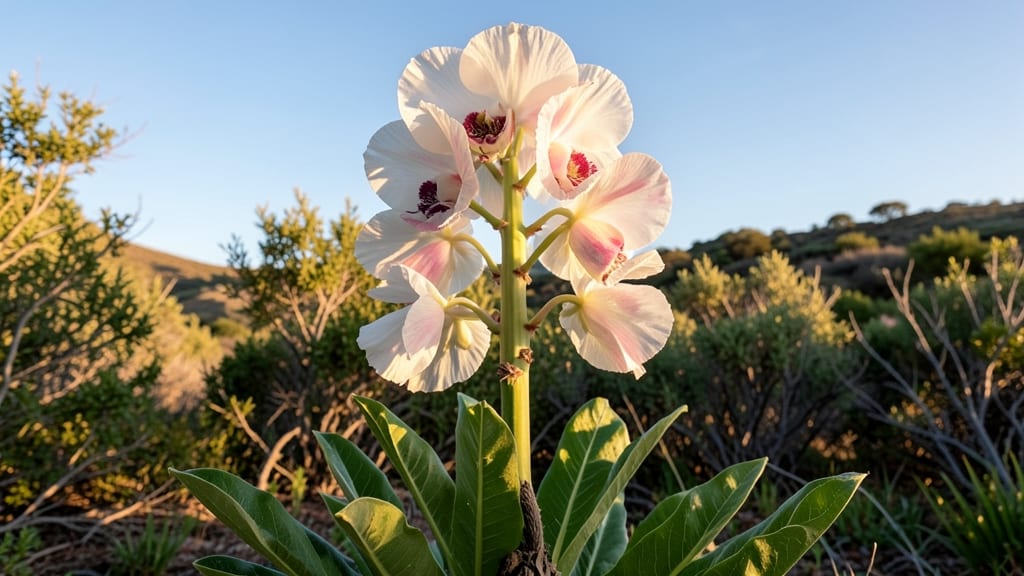
If you want a poppy that makes a bold statement without spreading like wildfire, the tree poppy (Romneya coulteri) is your answer. This woody perennial grows 6 feet tall with dramatic, papery white and pink blooms that look like they belong in a tropical paradise—yet it thrives in zones 7-10 with minimal fuss.
Unlike its annual cousins, the tree poppy produces large, cup-shaped flowers (up to 6 inches wide!) from late spring through summer, followed by seed pods that add textural interest. Plant it in well-draining soil with full sun for best results—it tolerates drought once established, making it perfect for low-maintenance gardens.
Gardeners in coastal climates or Mediterranean landscapes will love its drought tolerance and vertical impact, while urban gardeners can use it as a striking focal point. Just give it space—its woody stems create a striking architectural element. 🌻
Prickly Poppy: Spiky Desert Adaptation

If you're dreaming of a low-maintenance desert garden that thrives on neglect, meet the prickly poppy (Argemone)—nature's answer to arid landscapes. This drought-resistant annual boasts bold red blooms with spiky petals, adding dramatic texture to wildflower meadows or rocky outcrops.
Unlike fussy poppies, prickly poppies demand zero special soil—they flourish in poor, sandy, or gravelly soils where most plants would struggle. Plant seeds directly in full sun after the last frost, and watch them self-seed prolifically for years. Their spiky foliage deters pests, making them ideal for xeriscaping and pollinator gardens.
Perfect for gardeners in zones 5-10, this poppy is the ultimate "plant-and-forget" option. Whether you're restoring a desert landscape or adding rugged charm to a sunny border, its bold blooms demand attention without demanding care. 🌻