
Planting
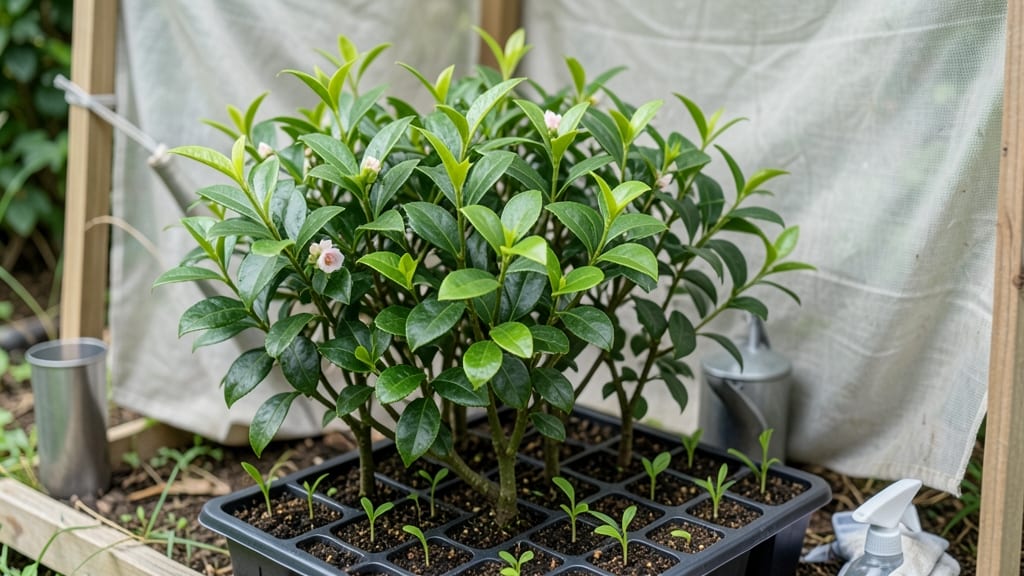
Growing matcha at home means sipping your own shade-grown tea leaves in just 60 days. 🌿 I planted my first matcha seeds last spring after realizing store-bought matcha couldn't compete with the fresh, vibrant flavor of homegrown leaves.
The process is simpler than you'd think—no green thumb required, just patience and the right conditions. Matcha thrives in humid, subtropical climates (zones 7-9) but can adapt to containers if you bring them indoors during winter.
Start with well-draining, acidic soil (pH 5.5-6.5) and a sunny spot with partial shade—think dappled sunlight, like under a sheer curtain or tree canopy. Young plants need consistent moisture, but avoid soggy soil, which rots delicate roots.
By day 60, you'll harvest your first flush of tender leaves, perfect for steeping or making matcha powder. The key is pruning regularly to encourage bushy growth and shading the plants for 2-3 weeks before harvest to boost L-theanine levels.
Even in small spaces, a single plant can produce enough leaves for daily tea rituals. Fair warning: matcha is a long-term commitment—full flavor development takes 2-3 years. But the first sip of your homegrown matcha, brewed from leaves you nurtured, makes every wait worthwhile. Let's get those seeds started!
📚 In This Guide
- What you need
- Instructions
- Tips and common mistakes
- Wrapping up and next steps
What you need
- ● Matcha seeds or seedlings: Start with Camellia sinensis var. assamica seeds (or nursery-grown seedlings) labeled for matcha cultivation. Quantity: 3–5 seeds/seedlings per pot (for optimal spacing).
- ● High-quality potting mix: Use a well-draining, slightly acidic mix (pH 5.5–6.5). Recommended: 50% peat moss or coco coir + 30% perlite + 20% compost. Quantity: 1–2 gallons per plant.
- ● Containers or garden bed: Containers: 12–18" deep pots with drainage holes (for indoor/urban growing). Material: Terracotta or fabric (breathable).
- ● Garden bed: Partial shade (4–6 hours sunlight/day) with loose, aerated soil. Size: 3’x3’ spacing per plant.
- ● Watering can or spray bottle: For gentle, consistent moisture (avoid soggy roots!).
- ● Fertilizer: Organic, balanced fertilizer (e.g., fish emulsion or compost tea). Schedule: Apply every 4–6 weeks.
- ● Pruning shears: Sharp, sterilized shears for trimming new growth.
- ● Shade cloth (30–50% coverage): Essential for protecting young plants from harsh sun.
- ● Grow lights: LED or fluorescent lights for indoor setups (12–14 hours/day).
- ● Humidity tray: A shallow tray with pebbles and water to boost moisture levels.
- ● pH test kit: To monitor soil acidity (adjust with sulfur or lime if needed).
- ● Harvesting scissors: Clean, sharp scissors for picking leaves.
- ● Journal/notebook: Track growth stages, watering, and fertilizer dates!
Step-by-step instructions for growing matcha plants
Matcha thrives with patience and precision—here's how to coax vibrant growth from seed to harvest.
🌱 Step 1: Select and Prepare Matcha Seeds
Matcha grows from seeds, but they require special handling. Start with organic, non-GMO matcha seeds (available from specialty seed suppliers). Soak them in lukewarm water for 12 hours—this softens the tough outer shell and speeds germination. I use a small glass bowl and place it in a warm spot, like on top of the fridge.
After soaking, drain the seeds and lay them on a paper towel to dry slightly. This prevents them from sticking together when planting. The goal is damp, not dripping. Matcha seeds are tiny—about the size of sesame seeds—so I use tweezers to place them precisely in the soil. Planting too deep (more than ¼ inch) slows germination because the seedlings struggle to reach light.
🪴 Step 2: Plant in Well-Draining Soil Mix
Fill small pots (at least 3 inches deep) with a mix of 50% potting soil and 50% perlite or coarse sand. Matcha hates soggy roots, so drainage is critical. I tap the pot gently to settle the mix but avoid compacting it—roots need air to breathe. Moisten the soil lightly until it feels like a damp sponge.
Plant 2-3 seeds per pot at ¼ inch depth, spacing them 1 inch apart. Cover with a thin layer of vermiculite to retain moisture without suffocating the seeds. Place the pots in a clear plastic bag or under a humidity dome to trap warmth. Germination takes 14-21 days in 70-75°F soil—patience is key here.
☀️ Step 3: Provide Indirect Light and Controlled Humidity
Once sprouts appear, remove the humidity dome immediately to prevent fungal growth. Matcha seedlings are delicate—direct sunlight scorches their tender leaves, so place them in bright, indirect light (like an east-facing window). If using grow lights, position them 6-8 inches away and run them for 12-14 hours daily.
Water gently from the bottom by placing pots in a shallow tray of 1 inch of water for 10 minutes. Let them drain completely before returning to their spot. Overwatering is the fastest way to kill seedlings—check soil moisture by sticking your finger in ½ inch deep. If it feels damp but not wet, you're golden.
🌿 Step 4: Thin and Transplant for Stronger Growth
When seedlings reach 2 inches tall (about 3-4 weeks), thin to the strongest plant per pot. Use scissors to snip weaker stems at the base—this prevents disturbing the roots of the remaining plant. Transplant into 6-inch pots with fresh soil mix if you're growing multiple plants.
Matcha loves slightly acidic soil (pH 6.0-6.5). Test your soil with a kit—if it's too alkaline, amend with sulfur or peat moss. Fertilize lightly with a balanced organic fertilizer (10-10-10) diluted to half strength every 4 weeks. Avoid over-fertilizing; matcha prefers lean soil to develop its signature umami flavor.
⏰ Step 5: Harvest Young Leaves for Premium Matcha
Matcha is ready for its first harvest when the first true leaves (not the initial seed leaves) appear and reach 1-2 inches long. Use clean, sharp scissors to snip the top ¼ inch of growth, including the tender new leaves. Avoid cutting more than ⅓ of the plant at once—this encourages bushier growth.
Harvest in the morning after dew has dried but before the sun peaks. Place leaves on a tray in a cool, dark place to wilt for 2-3 hours, then dry them at 180°F for 10-15 minutes in a dehydrator or low oven. Store dried leaves in an airtight container away from light—this preserves their vibrant green color and rich flavor for up to 6 months.
Tips & tricks for perfect matcha plant growth
Growing matcha from seed is rewarding but requires precision—here's how to avoid common pitfalls and maximize success.
Precision Planting: When planting your matcha seeds at ¼ inch depth, use a toothpick to create small holes—this prevents over-deepening while ensuring consistent spacing. I find that planting seeds on a slight angle (rather than straight down) helps them push through the soil more easily during germination. This small adjustment can double your success rate with those tiny seeds.
Germination Environment: Maintaining 70-75°F soil temperature during the 14-21 day germination period is critical. If your home stays cooler, place pots on a heating mat set to 75°F—just be sure to monitor closely to avoid overheating. The warmth mimics matcha's natural tropical growing conditions, which is why patience pays off during this waiting period.
Light Management: Once seedlings emerge, transition them to bright, indirect light immediately. I've learned the hard way that even a few hours of direct sun can scorch delicate seedlings. For grow lights, position them 6-8 inches away and use a timer for 12-14 hours daily to mimic natural daylight cycles. This consistent light exposure prevents leggy growth while maintaining vibrant color.
Harvest Technique: When harvesting those 1-2 inch true leaves, use clean, sharp scissors to avoid damaging the plant. I always make my cuts just above a leaf node (where new growth emerges) to encourage bushier development. After harvesting, store leaves in a cool, dark place for 2-3 hours before drying—the wilting step prevents excessive moisture loss during the 180°F drying process.
Pro Tips for Plant Matcha
- Growing matcha from seed is rewarding but requires precision—here's how to avoid common pitfalls and maximize success.
- Precision Planting: When planting your matcha seeds at ¼ inch depth, use a toothpick to create small holes—this prevents over-deepening while ensuring consistent spacing.
- Germination Environment: Maintaining 70-75°F soil temperature during the 14-21 day germination period is critical.
Frequently asked questions
Got questions about growing your own matcha?
You’re not alone—this vibrant green powerhouse takes a little know-how! Below, we’ve rounded up the most common queries to help you cultivate matcha like a pro.
How long does it take to harvest matcha from seeds?
Matcha typically takes 60–90 days to reach harvest readiness from seed, but that’s just the first flush! For premium quality, wait 3–4 months for fuller flavor and nutrient density. Patience pays off—think of it as matcha’s way of rewarding your green thumb!
What’s the best temperature for growing matcha plants?
Matcha thrives in 60–75°F (15–24°C) during the day and 50–60°F (10–15°C) at night. Avoid extremes—frost will kill young plants, and heat above 85°F (29°C) can stress them. A shaded greenhouse or partial sunlight works best for consistent growth.
Can I grow matcha indoors?
Yes! Start seeds indoors under grow lights (12–14 hours/day) to mimic spring conditions. Use a humidity tray to keep soil moist, and transplant outdoors after the last frost. Just ensure your space gets bright, indirect light—matcha hates direct sunburn.
Why are my matcha leaves turning yellow?
Yellowing leaves (chlorosis) usually mean nutrient deficiency (like iron or nitrogen) or overwatering. Test your soil pH (ideal: 6.0–6.5), amend with compost, and adjust watering—matcha prefers consistently moist (not soggy) soil. Yellow edges? That’s often low humidity or salt buildup.
Do I need to shade my matcha plants?
Matcha must be shaded 3–4 weeks before harvest to boost L-theanine (the calming amino acid). Use 50–70% shade cloth or a sheer curtain. Without shading, leaves burn out, and flavor suffers. Think of it as matcha’s “chill-out” phase!
What can I do with matcha leaves if I can’t process them?
Don’t toss them! Use fresh leaves in smoothies, salads, or pestos (they’re packed with antioxidants). Dry them for herbal tea (lower quality than stone-ground matcha but still potent). Or compost them—your garden will thank you!
Wrapping up and next steps
Growing your own matcha is a rewarding journey that connects you to nature and delicious, vibrant green tea! With the right matcha plant seeds, proper sunlight, and consistent care, you can harvest fresh leaves in just 60 days—imagine sipping tea straight from your garden. 🌱✨
Now that you’re equipped with the know-how, roll up your sleeves and start planting! Begin with a small batch, experiment with growing conditions, and soon you’ll be brewing your own artisan matcha at home. Happy growing—and cheers to your first homegrown harvest!