
Planting
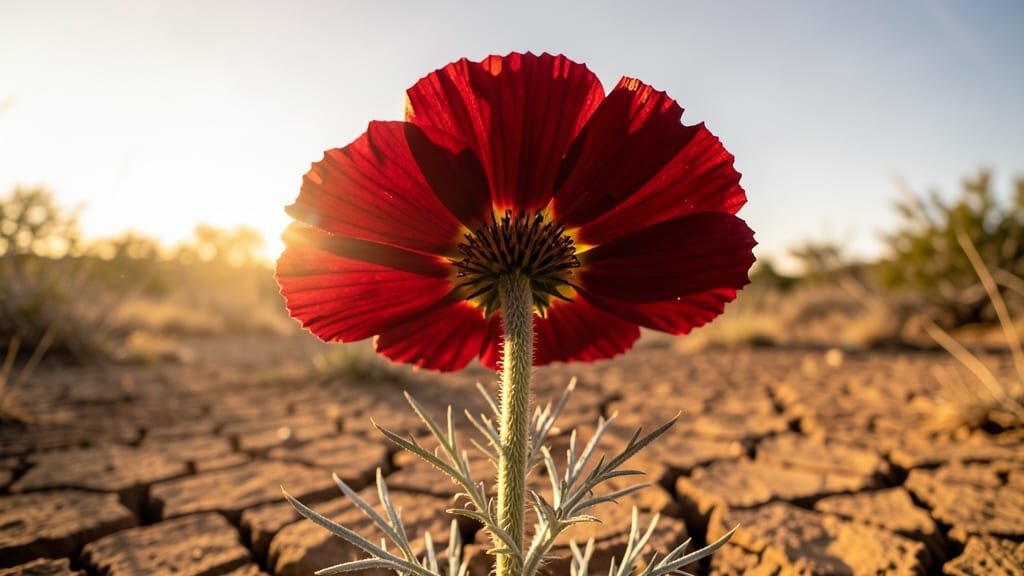
Spring in Texas means vibrant blooms, drought-resistant beauty, and thriving pollinators. These 10 native flowers thrive in Texas soil, require minimal water, and create a pollinator paradise from March through fall.
Bluebonnet Wildflowers for Texas Blue Skies
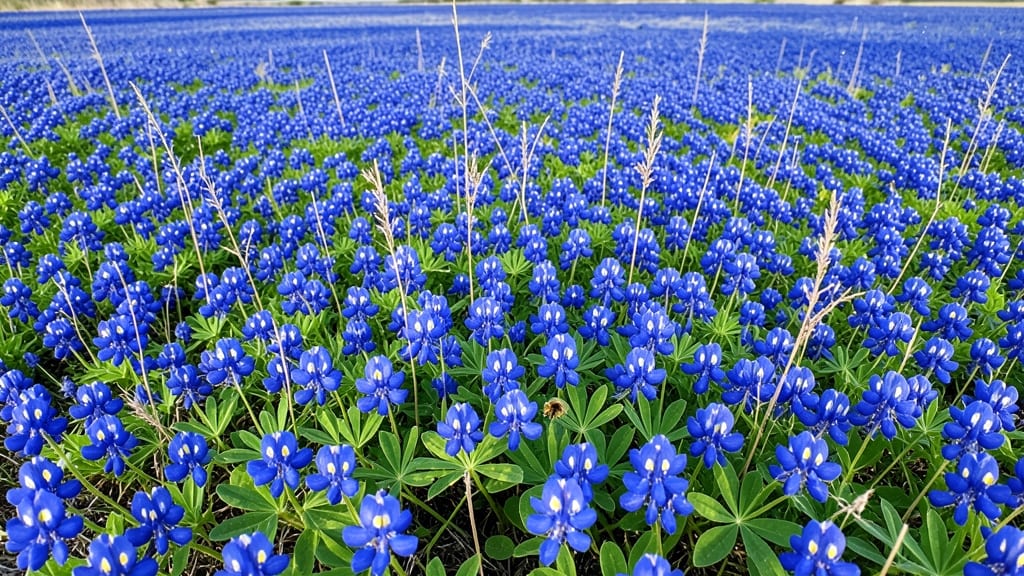
Imagine waking up to a sea of blue stretching across your landscape—this is the magic of bluebonnets, Texas' beloved state flower. These hardy wildflowers transform ordinary spaces into postcard-worthy scenes while supporting honeybees in record numbers, making them a must-have for any Texas garden.
Bluebonnets thrive in full sun and well-drained soil, making them perfect for meadows, slopes, or even large containers. Plant seeds in late fall or early spring for spring blooms, and watch them self-seed year after year. They're drought-tolerant once established, requiring minimal watering after the first year.
Whether you're a first-time gardener or a seasoned pro, bluebonnets deliver effortless beauty and pollinator power. They’re especially rewarding for those in rural areas or urban yards with sunny patches. 🌻
Blackfoot Daisy Thriving in Drought Conditions
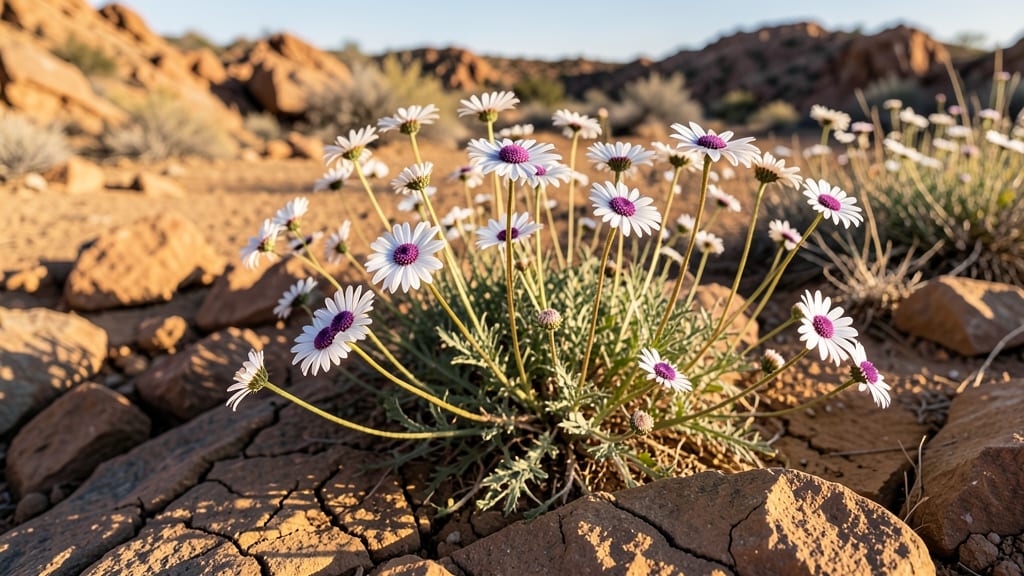
If you're tired of watering thirsty plants that still struggle in Texas heat, Blackfoot Daisy is your new go-to perennial. This native beauty thrives on neglect, producing cheerful white daisies with purple centers from spring through fall—even in clay-heavy or rocky soil that would stump other flowers.
Plant it in full sun to partial shade and water only when the soil is bone-dry (about once every 2-3 weeks after establishment). It naturally self-seeds, creating pollinator magnets that attract bees, butterflies, and even hummingbirds. The deep roots make it drought-proof once established, perfect for xeric landscapes or rain gardens.
This is the ideal solution for low-maintenance gardeners or those creating wildlife-friendly spaces with minimal effort. 🌻
Mexican Feather Grass for Year-Round Texture
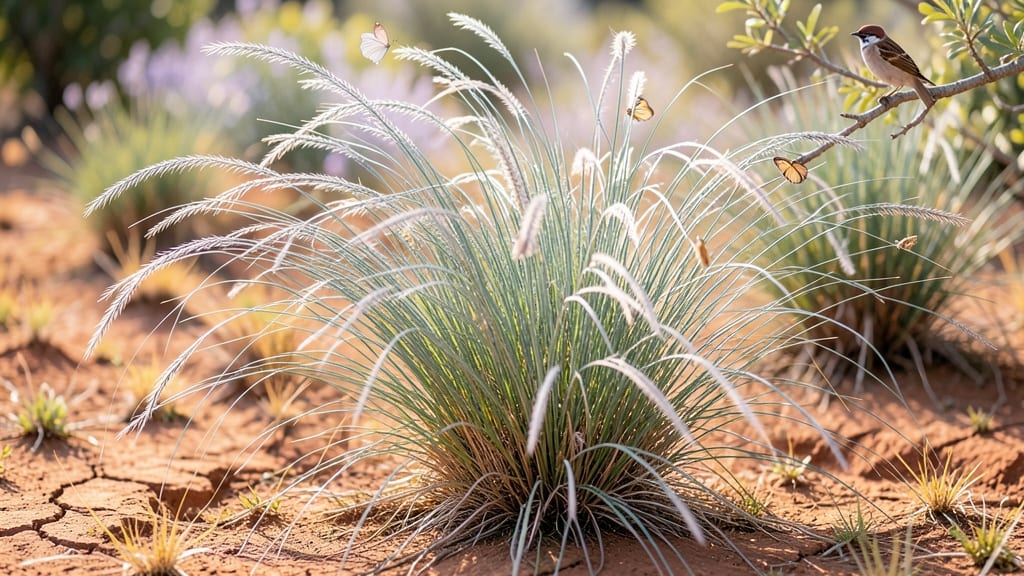
If you're looking for a low-maintenance plant that keeps your Texas garden buzzing with activity even after most flowers have faded, Mexican Feather Grass (Nassella tenuissima) is your secret weapon. While it's not a true flower, its delicate seed heads provide vital food for birds and butterflies while adding soft, airy texture to any landscape.
This drought-tolerant ornamental grass thrives in full sun to partial shade and handles Texas heat with ease once established. Plant it in clumps for a natural look, and watch as its feathery plumes sway in the breeze, creating movement and visual interest. Unlike annuals, it stays year-round, making it perfect for borders, containers, or even as a living mulch.
Gardeners who love pollinator-friendly gardens but want zero fuss will adore this plant—it requires no deadheading, minimal water once established, and even improves soil health. 🌿
Firewheel Plant for Hummingbird Magnet Gardens
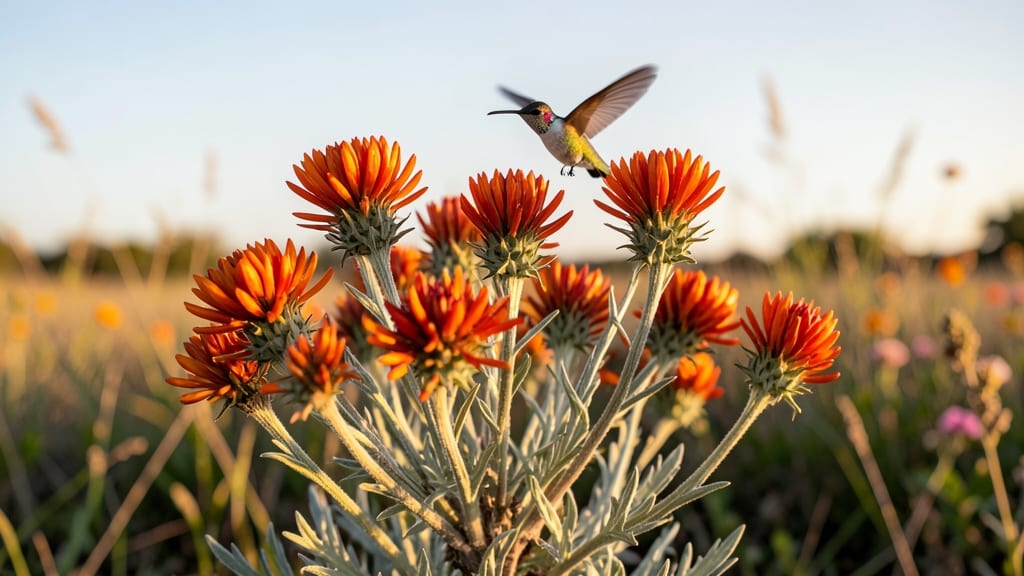
Watch your garden become a hummingbird hotspot with the firewheel plant (Chaenactis douglasii), whose fiery orange-red blooms are irresistible to these tiny visitors. Unlike other flowers that fade in summer heat, this native perennial thrives in Texas's scorching conditions while demanding almost no maintenance.
Plant it in full sun to partial shade where soil is dry or even rocky—it won’t complain. The continuous blooms from spring through fall provide nectar when other flowers have quit, making it ideal for borders or containers. Deadhead spent blooms to encourage more flowers, but otherwise, this plant is practically self-sufficient.
Urban gardeners and small-space plantings will love how compact it stays (1-2 feet tall), while rural landscapes benefit from its drought tolerance and deer resistance. Add one to your spring planting list for nonstop pollinator action. 🌻
Autumn Sage with Fragrant Purple Blooms
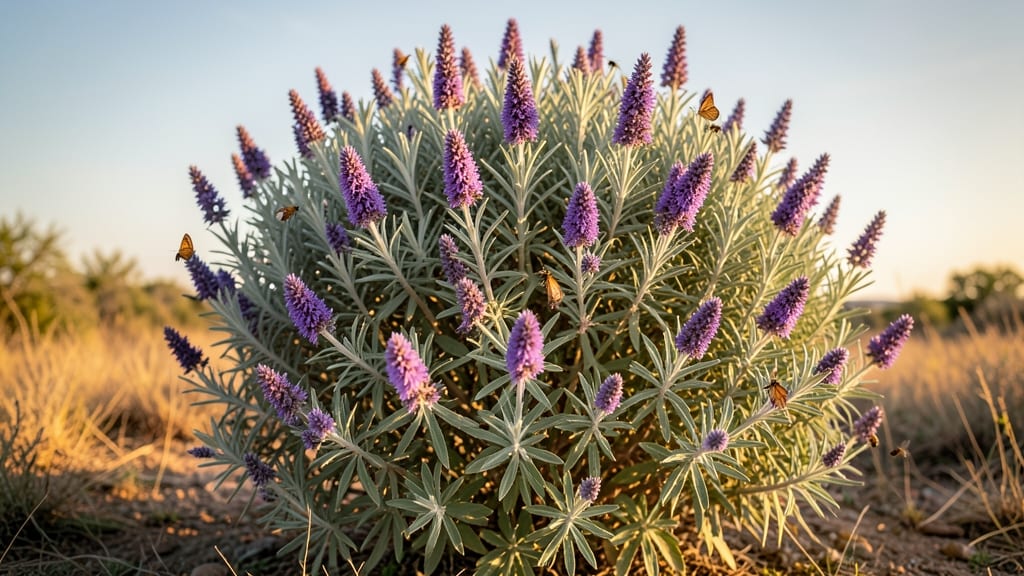
If you want a low-maintenance shrub that thrives in Texas heat while keeping deer at bay, autumn sage is your answer. This drought-resistant beauty blooms with fragrant purple flowers from early summer through fall, providing a magnet for bees and butterflies when other plants fade.
Plant it in full sun to partial shade with well-draining soil—it handles Texas's alkaline earth like a champ. Prune lightly after blooming to shape, but avoid heavy cuts that remove next year's flower buds. The aromatic foliage even deters deer, making it a year-round workhorse for both pollinators and gardeners.
Perfect for borders, foundation plantings, or pollinator gardens, autumn sage offers four-season interest with minimal effort. 🌿
Mexican Sunflower for Late Season Pollinators
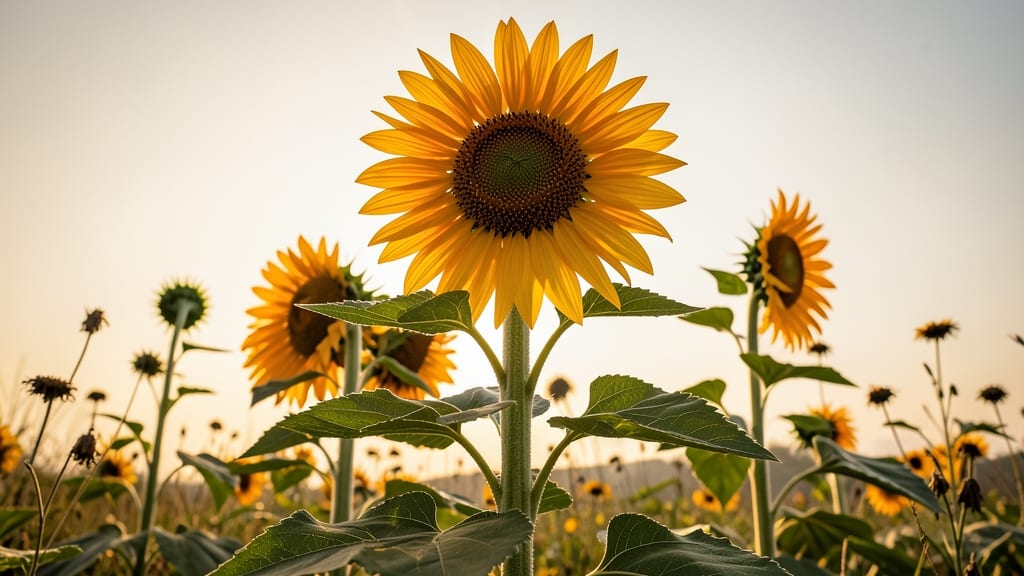
When summer heat sends most flowers into early retirement, the Mexican sunflower steps up as your garden's late-season pollinator superstar. These towering beauties (reaching 6-8 feet) burst with bright yellow blooms that keep butterflies and bees buzzing long after other flowers have faded.
Plant them in full sun with well-draining soil, and they'll thrive with minimal water once established. The drought-tolerant nature makes them perfect for Texas gardens, while their height creates a dramatic focal point at the back of borders. Deadhead spent blooms to encourage continuous flowering through fall.
This is the perfect choice for gardeners who want to extend their pollinator season and add vertical interest without the fuss of trellises. 🌻
Blue Mistflower for Hummingbird Haven
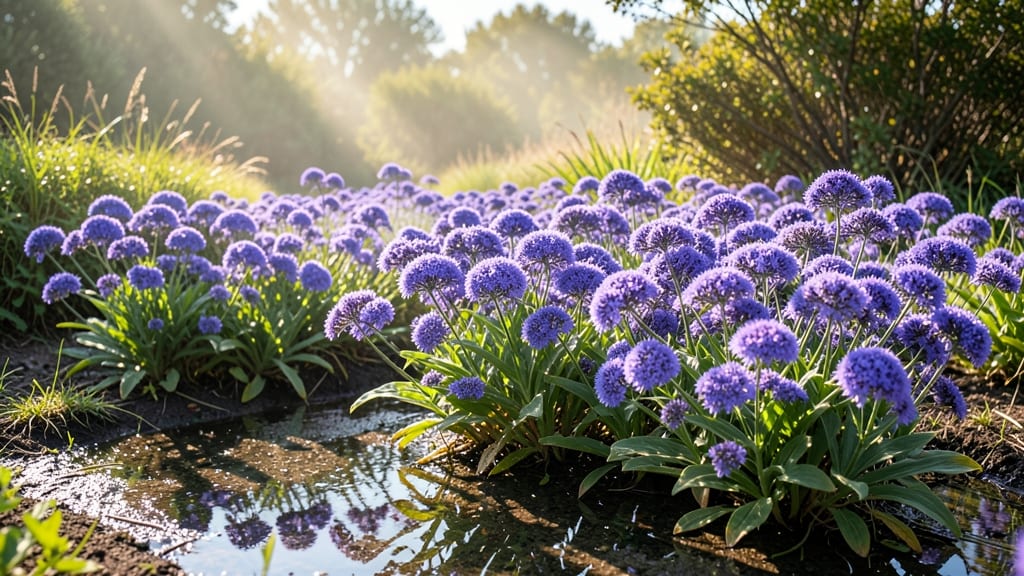
Want to turn your garden into a hummingbird hotspot without sacrificing beauty? Blue mistflower (Conoclinium coelestinum) delivers purple blooms from summer through fall while thriving in Texas's heat and humidity—making it the perfect choice for rain gardens or soggy spots where other plants struggle.
This native perennial handles poor drainage with ease and attracts hummingbirds like no other, thanks to its nectar-rich flowers. Plant in full sun to part shade and watch it spread naturally into lush mounds. It’s also deer-resistant, so you won’t lose your investment to hungry browsers. 💚
Ideal for gardeners in East and South Texas, blue mistflower adds color to landscapes while supporting pollinators—no fuss, just stunning results. 🌱
Lantana for Butterfly Superhighways
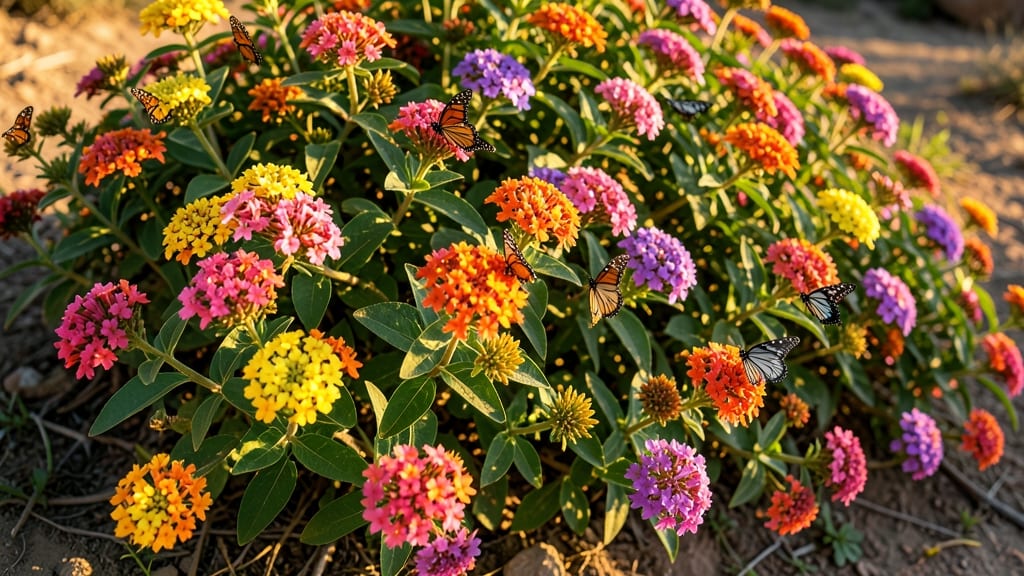
Want to turn your Texas garden into a buzzing butterfly hotspot without extra watering? Lantana is your secret weapon—its vibrant, multi-colored blooms (yellow, orange, pink, and purple) act like neon signs for pollinators, especially monarchs and swallowtails.
This drought-tolerant shrub thrives in full sun with just once-a-week watering after establishment, making it perfect for Texas's hot, dry climate. Plant it in well-draining soil and watch it bloom continuously from spring through fall, creating a pollinator superhighway that keeps wings flapping all season.
Ideal for borders, containers, or wildflower meadows, lantana is a low-maintenance powerhouse that even beginner gardeners can't kill. Just be prepared for a garden teeming with life! 🌻
Eastern Red Columbine for Shady Gardens
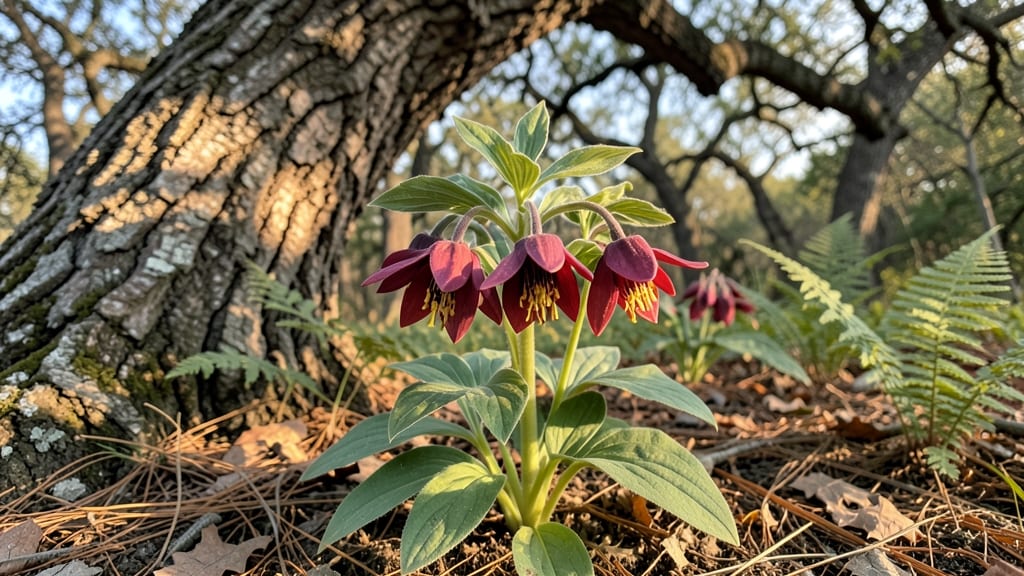
If your Texas garden has patches of partial shade where other flowers struggle, Eastern red columbine is your secret weapon. This native wildflower thrives in dappled sunlight or afternoon shade, making it perfect for woodland edges, under trees, or north-facing beds where most plants wilt.
With its nodding, red-and-yellow blooms, columbine attracts hummingbirds and bees from early spring through summer, providing nectar when many other flowers have finished blooming. It's also deer-resistant and self-seeds reliably, creating naturalizing drifts over time. Plant seeds directly in well-draining soil and water occasionally—this tough wildflower handles Texas heat once established.
Ideal for beginner gardeners or pollinator enthusiasts, columbine adds vertical interest and color without demanding full sun. It's the perfect way to bring life to shady spots while supporting local wildlife. 🌷
Mexican Hat Flower for Dramatic Seasonal Color

When your spring bloomers start fading by late summer, the Mexican hat flower steps in with its bold, sombrero-like blooms to extend your garden's show. This drought-loving perennial thrives in Texas heat while providing a striking contrast with its red petals and golden centers, creating a focal point that lasts from August through October.
Plant your Mexican hat (Ratibida columnifera) in full sun with well-draining soil, and water sparingly once established—it naturally tolerates dry spells. Deadhead spent blooms to encourage more flowers, and watch as butterflies and bees flock to its nectar-rich petals. This plant reaches 2-3 feet tall, making it perfect for borders or wildflower meadows where it can spread gracefully.
Ideal for gardeners who want late-season color without extra watering**, this native beauty requires almost no maintenance after the initial planting. It's especially valuable for those in West Texas or areas with alkaline soil where many flowers struggle to thrive. 🌻