
Planting
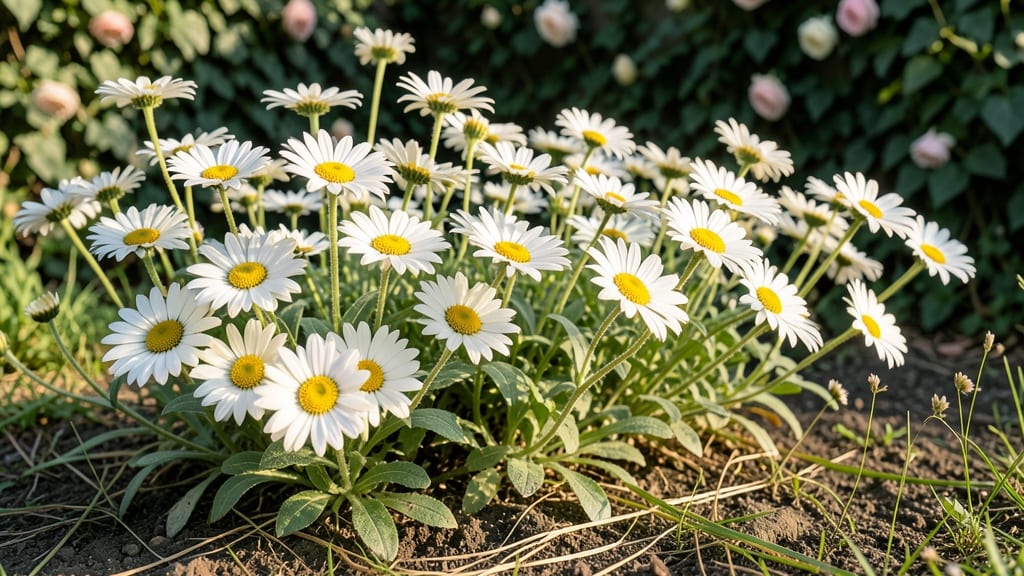
Fall is the perfect time to plant perennials that thrive in cooler weather. These 10 cold-hardy flower seeds will establish strong roots over winter, rewarding you with vibrant blooms year after year—with minimal spring maintenance.
Russian Sage for Drought-Resistant Purple Blooms
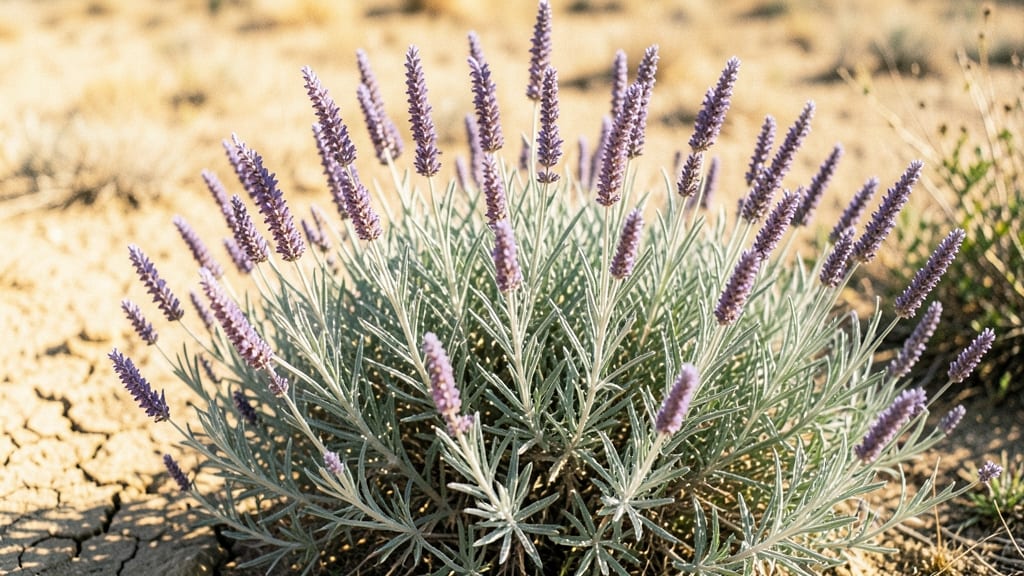
If you live in a dry climate and dread watering bills, Russian sage (Perovskia atriplicifolia) is your new best friend. This drought-resistant superstar thrives on neglect, producing airy lavender-purple spikes that bloom from mid-summer through fall without a single extra sip of water once established.
Plant seeds in well-draining soil with full sun exposure (at least 6 hours daily), and watch them develop deep roots over winter. Unlike many perennials, Russian sage tolerates poor, rocky, or alkaline soil—ideal for urban gardens or rocky landscapes. Prune back stems in early spring to encourage bushier growth, but otherwise, this plant rewards patience with minimal effort.
Perfect for low-maintenance gardeners or those with limited water access, Russian sage also attracts pollinators while repelling deer. Once planted, it’s nearly foolproof—just sit back and enjoy the year-round greenery and seasonal blooms. 🌻
Foxglove for Dramatic Spikes of Bell-Shaped Flowers
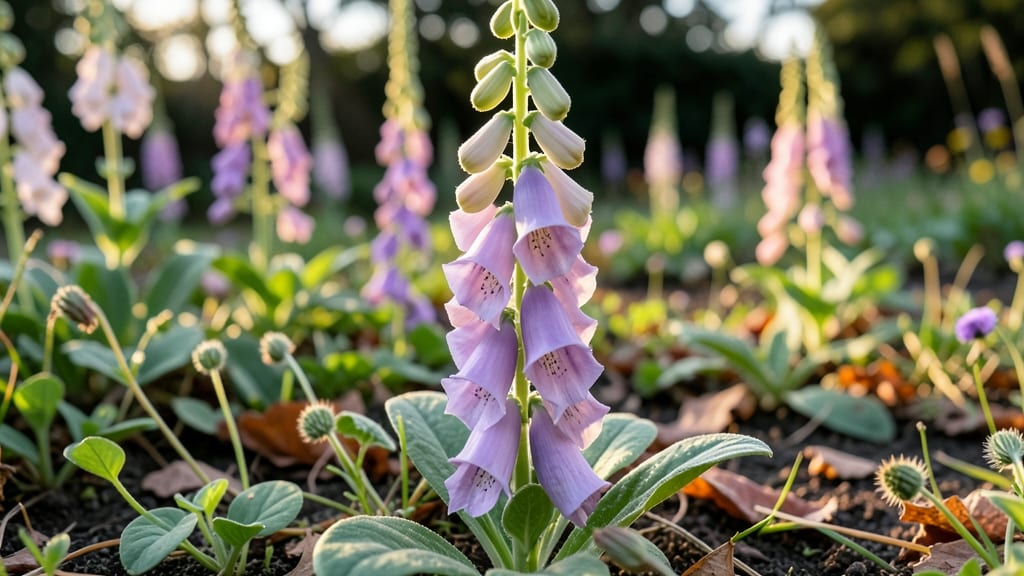
Skip the fuss of annual replanting—foxglove delivers jaw-dropping vertical drama while self-seeding into naturalizing drifts over time. This biennial's bell-shaped spikes (in white, pink, or purple) create a cottage garden's signature "wow" factor with minimal effort.
Plant seeds in fall for a head start—cold stratification over winter ensures robust basal rosettes that bloom the following summer. Space them 12-18 inches apart in partial shade, where they’ll thrive in average garden soil. The trade-off? Deadheading spent blooms prevents self-seeding in unwanted areas (or embrace it for a wildflower meadow vibe).
Perfect for gardeners who love low-maintenance height without the upkeep of annuals—foxglove's naturalizing habit means fewer gaps and more drama over time. 🌻
Catmint for Pollinator-Friendly Lavender Blooms
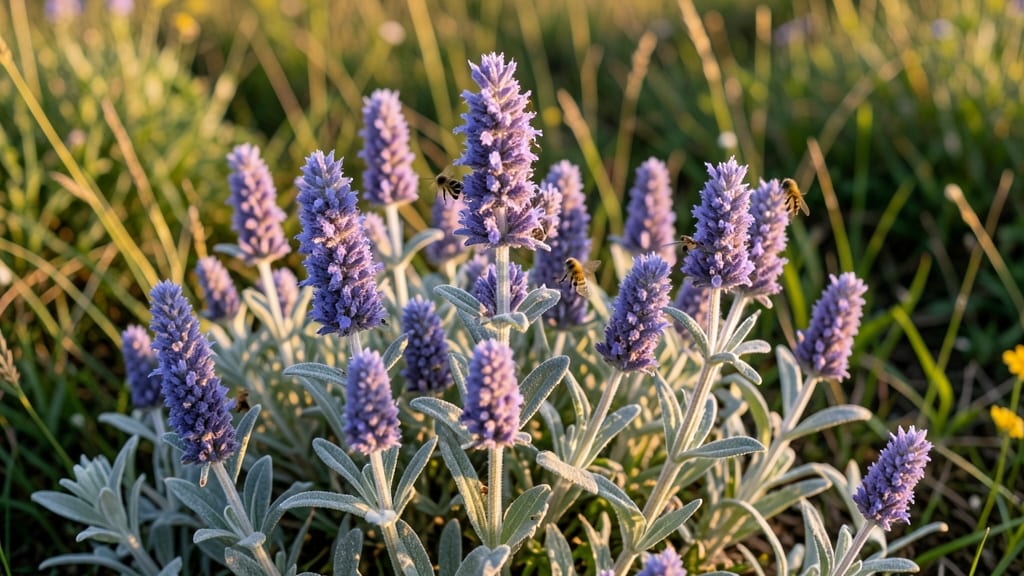
Looking for a pollinator magnet that thrives on neglect? Catmint delivers dense lavender blooms that bees and butterflies can't resist while keeping deer and pests at bay—no fuss required. This hardy perennial is the unsung hero of low-water gardens, blooming from early summer into fall.
Plant seeds in well-drained soil with full sun to partial shade, spacing them 18-24 inches apart. Once established, catmint needs little to no irrigation—perfect for urban landscapes or drought-prone areas. Prune back by half after flowering to encourage bushier growth next season.
Urban gardeners and pollinator advocates will love this deer-resistant workhorse that doubles as a natural pest deterrent. 🌿
Black-Eyed Susan for Cheerful Golden-Yellow Flowers
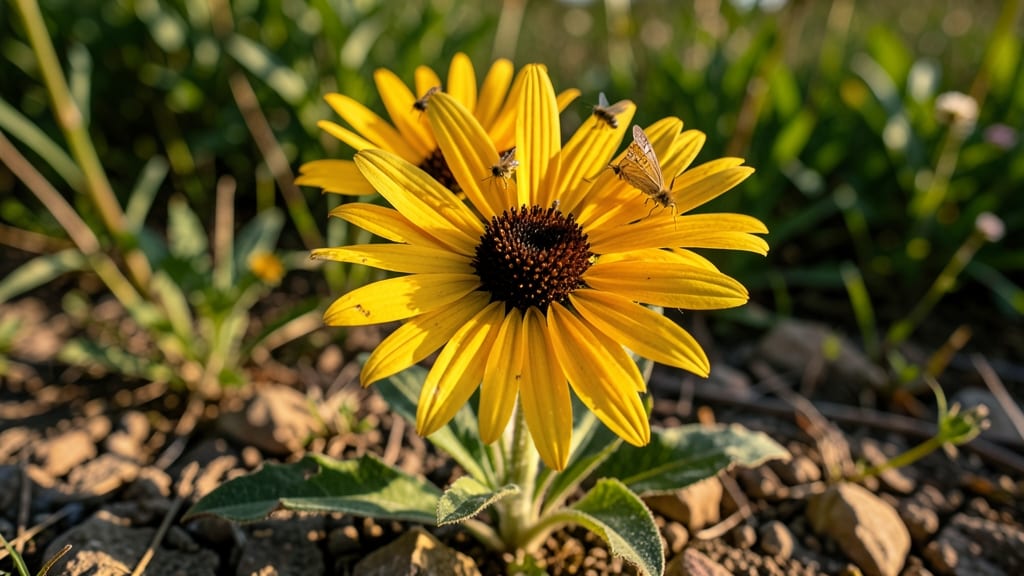
Looking for a low-maintenance perennial that turns your late-summer garden into a buzzing pollinator paradise? Black-eyed Susan (Rudbeckia hirta) delivers cheerful golden-yellow blooms that thrive in full sun and even poor, rocky soil—no fuss required.
Native to North America, this drought-tolerant beauty blooms from mid-summer to frost, attracting butterflies, bees, and hummingbirds with its nectar-rich flowers. Plant seeds in fall for a head start on spring growth, spacing them 12-18 inches apart. Deadhead spent blooms to encourage more flowers, and watch it self-seed for year-round color with minimal effort.
Perfect for beginner gardeners, wildflower meadows, or pollinator-friendly borders, Black-eyed Susan brings effortless charm to any sunny spot. 🌻
Lavender for Fragrant Purple Flower Spikes
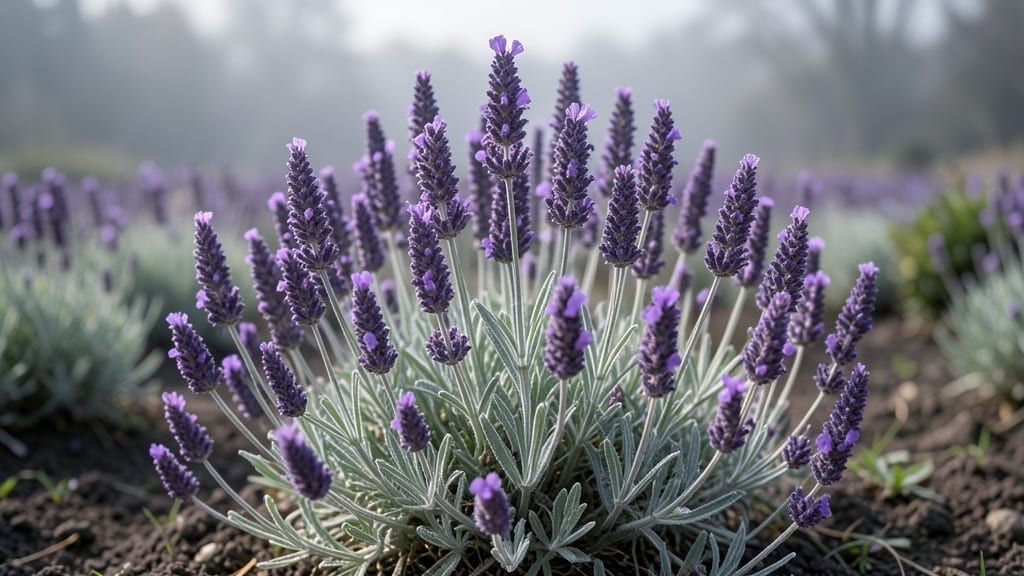
Want a garden that smells amazing, deters pests, and thrives in cooler climates? Lavender is your go-to perennial, offering fragrant purple spikes that repel mosquitoes and keep unwanted critters away. Unlike many flowers, it’s cold-hardy and perfect for fall planting, establishing roots before winter.
This versatile plant thrives in well-drained soil and full sun, making it ideal for borders, containers, or even sachets. Deadhead spent blooms to encourage more flowers, and watch it flourish with minimal fuss. Its silvery foliage adds texture year-round, while the scent lingers in the air—nature’s perfume! 🌿
Coneflower for Long-Lasting Purple and Pink Blooms
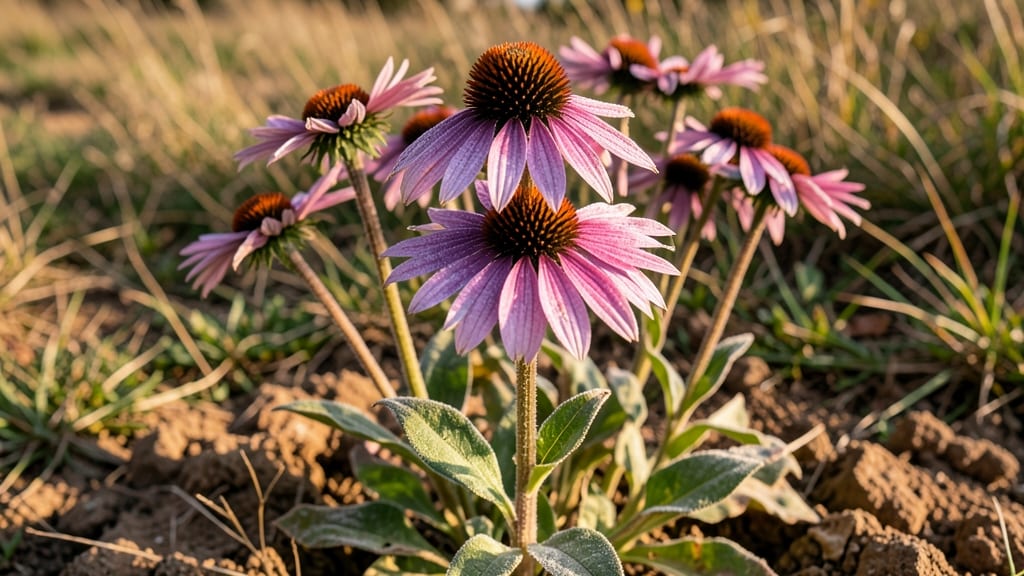
Looking for a disease-free, low-maintenance perennial that turns heads with purple and pink blooms from summer straight through frost? Coneflower (Echinacea) is your answer—this tough native plant thrives even when others struggle, making it a standout for busy gardeners.
Plant seeds in fall for strong root establishment, and you’ll get long-lasting blooms that attract butterflies, bees, and even goldfinches. Unlike many perennials, coneflower handles drought and partial shade beautifully, while its vertical structure adds height to borders. Deadhead spent blooms to encourage more flowers, and enjoy year-round interest with its seed heads in winter.
Perfect for wildflower gardens, pollinator patches, or cutting gardens, coneflower’s resilience and beauty make it a must-have for first-time perennials or seasoned gardeners alike. 🌻
Bee Balm for Vibrant Red and Pink Clusters
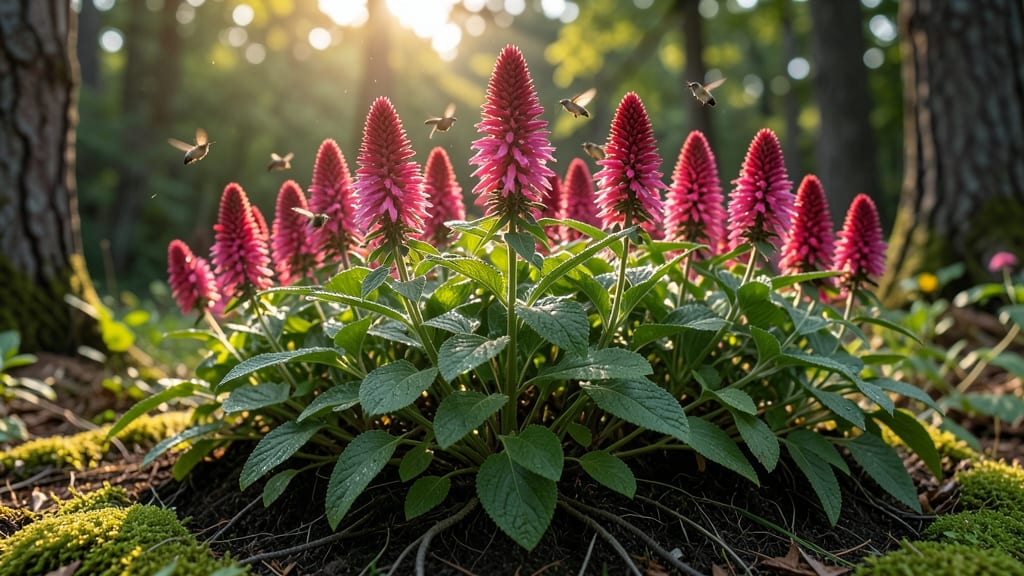
Looking for a vibrant, low-maintenance perennial that thrives where others struggle? Bee balm (Monarda) is your answer—its bold red and pink flower clusters light up shady spots while attracting pollinators and hummingbirds with ease.
This hardy plant adores moist, well-drained soil and partial shade, making it perfect for woodland gardens, rain gardens, or even containers. Its fragrant foliage adds a sensory bonus, and deadheading spent blooms encourages prolonged summer-to-fall blooming. Just be prepared for its tendency to spread—it’s a cheerful but enthusiastic grower!
Ideal for gardeners with shady or damp areas, bee balm brings color and life where other perennials might fade. 🌻
Yarrow for Fiery Red and White Flower Clusters
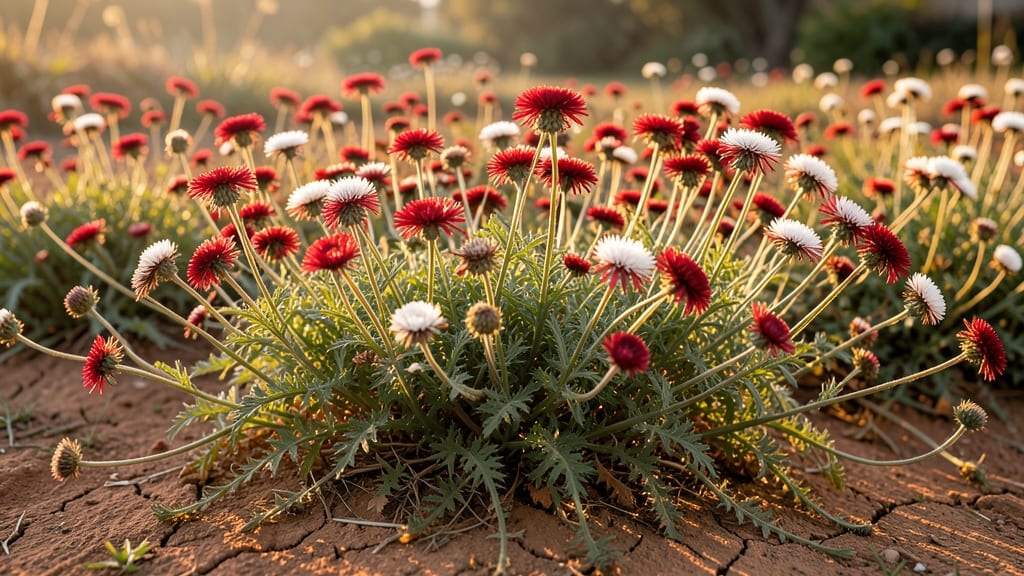
Want a perennial that practically takes care of itself while adding bold color to your garden? Yarrow delivers fiery red and white clusters that thrive on neglect, making it the ultimate low-maintenance choice for fall planting.
This drought-tolerant beauty spreads effortlessly through self-seeding, creating natural drifts that fill in empty spaces over time. Plant it in full sun with minimal soil prep—it tolerates poor, rocky, or sandy conditions—and watch it attract pollinators all summer long. Deadhead spent blooms to encourage more flowers, but otherwise, it’s a hands-off performer.
Perfect for wildflower meadows, cottage gardens, or even urban borders, yarrow’s resilience makes it ideal for beginner gardeners or anyone craving a carefree, colorful landscape. 🌻
Salvia for Tall Purple and Blue Flower Spikes
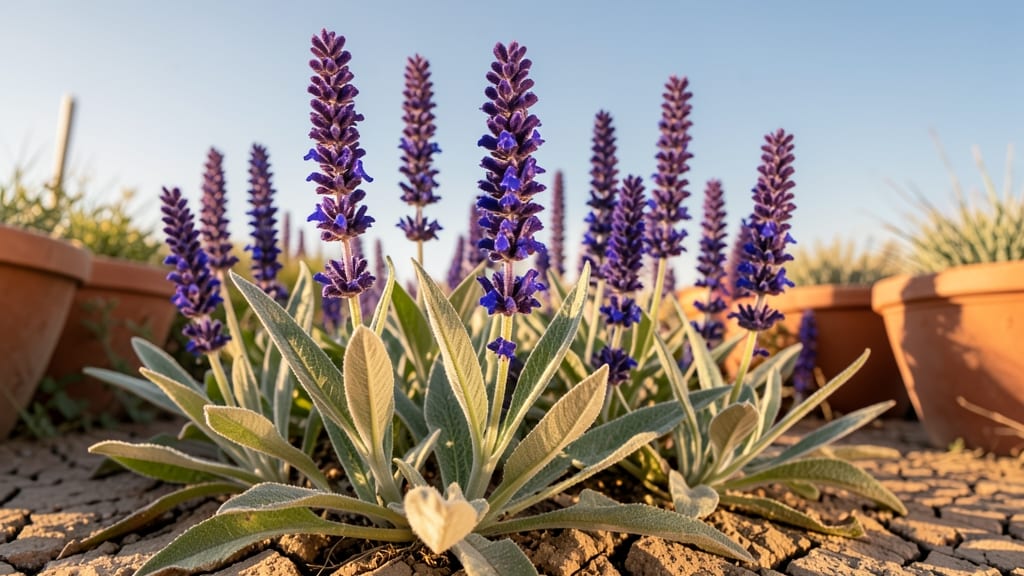
If you’re struggling to keep plants alive in hot, dry climates, salvia is your secret weapon. This drought-resistant perennial thrives where others fail, delivering bold purple and blue flower spikes that add vertical drama to any garden—without needing constant watering.
Plant seeds in fall for a head start, and once established, salvia requires almost no maintenance. It’s also deer-resistant, making it ideal for rural or suburban gardens. Choose varieties like Salvia nemorosa or Salvia officinalis for long-lasting blooms that hummingbirds and bees adore.
Perfect for beginners or busy gardeners, salvia’s low-care nature and striking height make it a standout choice for borders, containers, or wildflower meadows. 🌻
Shasta Daisy for Classic White Blooms

If you crave a timeless cottage garden look with minimal effort, Shasta daisies are your perfect fall-planted perennial. Their snow-white petals and cheerful yellow centers create a bright, airy focal point that blooms from early summer through fall—longer than most annuals you’d plant in spring.
This cold-hardy beauty thrives in full sun and well-drained soil, making it ideal for USDA zones 5-9. Plant seeds now for robust root establishment over winter, and you’ll enjoy low-maintenance blooms that cut beautifully for bouquets. Deadhead spent flowers to encourage continuous blooming throughout the season.
Perfect for beginners or busy gardeners, Shasta daisies bring effortless elegance to borders, meadows, or containers. Their long bloom season and disease resistance make them a standout choice for fall planting. 🌻