
Planting
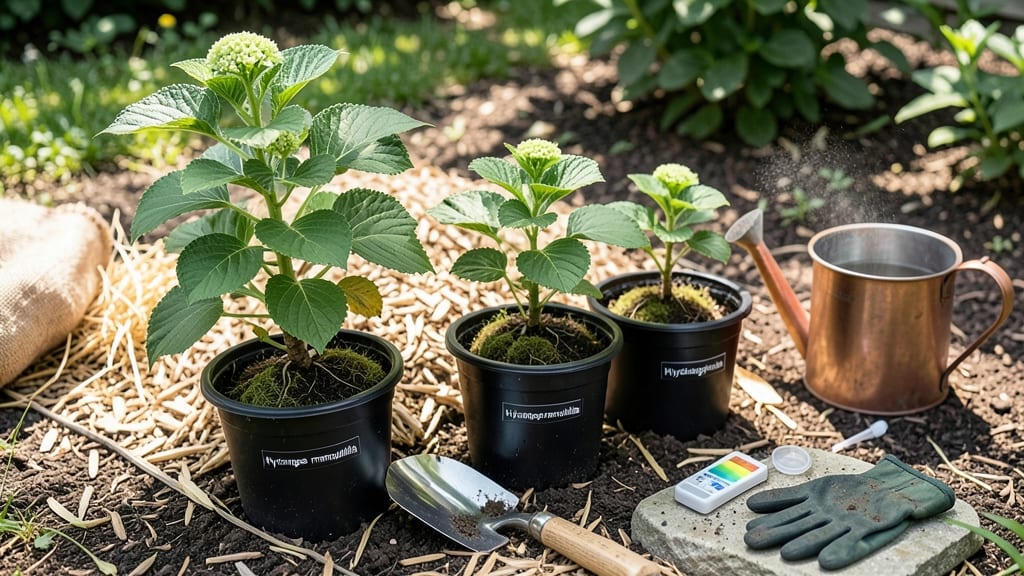
Planting a hydrangea tree at the right time ensures it thrives and blooms beautifully for years to come 🌸 — and missing that window can leave you with a struggling shrub.
If you’ve ever watched your hydrangea leaves wilt under the heat or freeze in a late frost, you know timing is everything. The best time to plant depends on your USDA zone, but spring—after the last frost—is the gold standard for most regions.
In zones like 6a, aim for April to May when soil warms up and roots can establish before summer heat arrives. This window gives your hydrangea the perfect head start, whether you’re planting in-ground or in containers.
Below, I’ll break down the exact months for your zone, how to prep soil and sunlight, and the one mistake that kills new plants—so you can skip the guesswork and get vibrant blooms every season.
Optimal planting windows for hydrangea trees by US hardiness zones
Hydrangea trees thrive when planted during their natural growth windows, but the exact timing varies dramatically across USDA zones.
In Zone 3, for example, you’ll want to plant in late May to early June to avoid late frosts, while Zone 8 gardeners can plant as early as February to March—before summer heat arrives. These differences highlight why zone-specific guidance is essential for root establishment and vibrant blooms.
The key is balancing soil temperature, frost risk, and seasonal growth cycles. Spring planting (after last frost) gives hydrangeas 6-8 weeks of warm soil before summer stress, while fall planting (4-6 weeks before first frost) allows roots to settle before winter dormancy.
Let’s dive into the exact month ranges for each zone to help you pick the perfect window for your climate.
| USDA Zone | Best Planting Window | Key Considerations | Soil Temp Goal |
|---|---|---|---|
| Zone 3 (-40°F to -30°F) | Late May - Early June | Avoid late frosts; mulch heavily | 55-60°F (13-16°C) |
| Zone 4 (-30°F to -20°F) | Early May - Mid-June | Wait for consistent 60°F soil | 55-65°F (13-18°C) |
| Zone 5 (-20°F to -10°F) | Mid-April - Early May | Early spring ideal; avoid drought | 60-70°F (16-21°C) |
| Zone 6 (-10°F to 0°F) | April - Early May | After last frost; mulch for winter | 60-70°F (16-21°C) |
| Zone 7 (0°F to 10°F) | March - April | Early spring or fall; avoid summer heat | 60-75°F (16-24°C) |
| Zone 8 (10°F to 20°F) | February - March | Fall planting possible; water deeply | 65-80°F (18-27°C) |
For Zone 3 and 4 gardeners, late spring planting is non-negotiable—these regions experience late frosts that can kill tender new growth. I recommend waiting until mid-May in Zone 4 to ensure soil stays above 55°F (13°C) consistently.
In these cooler zones, fall planting is risky because hydrangeas need time to establish roots before winter dormancy.
In Zones 5-7, the early spring window (March-April) offers the best balance. Hydrangeas planted in Zone 6a during this time benefit from 6-8 weeks of warm soil before summer heat arrives. This gives roots time to establish while avoiding the stress of peak summer temperatures.
A pro tip: In Zone 7, you can also plant in early fall (September), but only if your first frost arrives after October 15.
Warmer zones like Zone 8 have more flexibility, allowing February-March planting to beat summer heat. However, avoid planting during peak summer months (July-August)—the intense heat causes transplant shock and stunted growth.
If you must plant in summer, choose early morning or late afternoon to reduce stress, and water deeply every 2-3 days for the first month.
One common mistake I see is planting hydrangeas too early in spring when soil is still cold. Roots won’t establish properly, leading to weak stems and poor blooms.
Always check soil temperature with a soil thermometer—aim for 60°F (16°C) or warmer. In cooler zones, this might mean waiting until <
How climate and local conditions affect hydrangea planting success
While USDA zones give you a starting point, your hydrangea’s success depends on far more than just the number—local climate conditions can shift ideal planting windows by weeks or even months.
Factors like soil temperature, humidity levels, and microclimates in your yard play critical roles in root establishment and overall health.
For example, a hydrangea planted in Zone 6a might thrive in April in a cooler, humid region like the Pacific Northwest, but could struggle if planted too early in a hot, dry climate like Arizona.
Understanding these nuances helps you avoid common pitfalls like transplant shock or winter damage from late frosts.
Let’s break down the key variables that determine the perfect planting window for your hydrangea, beyond just zone guidelines. These factors will help you fine-tune your schedule for maximum growth and blooms.
⚠️ Warning: Planting Too Early or Too Late
Early planting risks: Young roots can’t handle cold soil (45°F/7°C) and may rot. Late frosts can kill tender new growth before it establishes.
Late planting risks: Summer heat stress dries out soil before roots settle. Fall-planted hydrangeas may not harden off before winter.
Solution: Test soil temperature with a thermometer—ideal range is 60-70°F (15-21°C). Use mulch to regulate temperature extremes.
Start by checking your last frost date—this is non-negotiable. However, don’t rely solely on averages; local weather patterns matter more. For instance, mountain regions may have later frosts than valley areas just miles away. Use resources like the National Oceanic and Atmospheric Administration (NOAA) for hyper-local frost data.
Soil temperature is equally critical. Hydrangeas need warm soil to encourage root growth. In cooler climates, wait until the ground reaches at least 50°F (10°C)—use a soil thermometer to confirm. In warmer zones, avoid planting during peak summer heat, which can cause transplant shock from rapid moisture loss.
Don’t overlook humidity and airflow. Hydrangeas thrive in moderate humidity but struggle in stagnant, waterlogged conditions. If your yard has poor drainage, amend soil with compost or plant in raised beds. Conversely, dry climates may require extra mulch to retain moisture and protect roots from temperature swings.
Finally, observe microclimates in your yard. A south-facing wall can create a warmer microclimate perfect for early spring planting, while a north-facing area might stay colder longer. Use these natural conditions to your advantage—plant heat-loving varieties near sunny spots and cooler-loving types in shaded areas.