
Plants
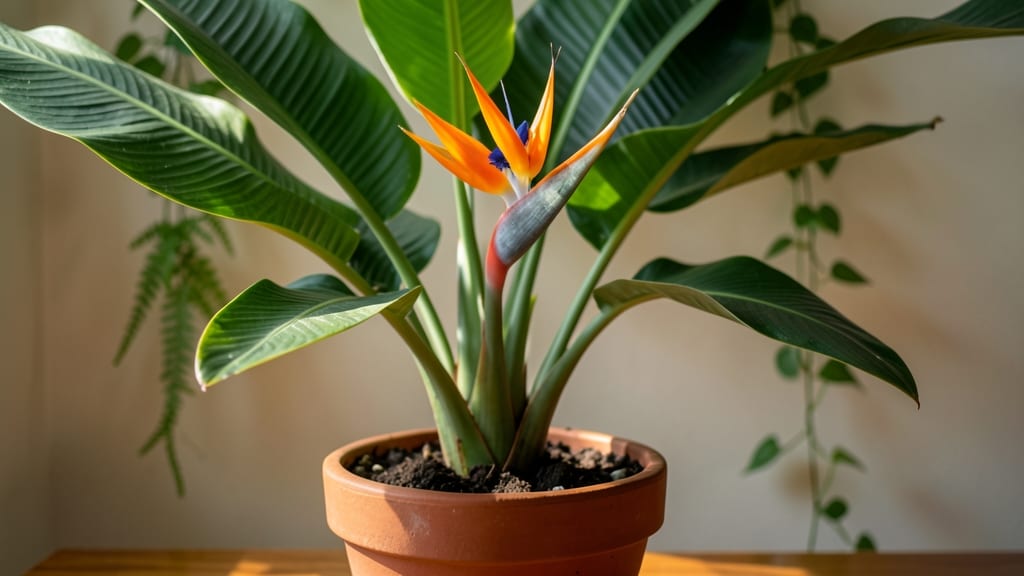
The bird of paradise plant thrives indoors in warm climates with bright indirect light and occasional humidity, while outdoors it prefers full sun, frost-free zones, and well-draining soil. Indoor care requires more frequent watering adjustments, while outdoor plants need seasonal protection.
Deciding whether to grow your bird of paradise plant indoors or outdoors comes down to climate and care capacity. 🌿 This tropical beauty adapts surprisingly well to both environments, but its needs shift dramatically—indoors, it craves consistent warmth and humidity control, while outdoors it thrives in sunny, protected spots with natural rainwater.
The key difference lies in watering frequency: indoor plants dry out faster due to artificial heating, while outdoor plants develop deeper root systems to handle seasonal droughts.
For flowering success, outdoor plants generally produce more vibrant blooms thanks to full sun exposure, but indoor specimens can still flower with proper grow lights and seasonal rest periods. The trade-off?
Outdoor plants require winter protection in colder zones, while indoor plants need vigilant pest monitoring since their controlled environment attracts more insects. Both settings demand well-draining soil, but outdoor plants can tolerate slightly heavier mixes thanks to natural rainfall.
💡 In This Article
- Light, Temperature, and Humidity Needs for Indoor vs Outdoor Bird of Paradise
- Soil, Watering, and Fertilizer Differences for Indoor and Outdoor Cultivation
Light, temperature, and humidity needs for indoor vs outdoor bird of paradise
The bird of paradise plant's light requirements shift dramatically between indoor and outdoor environments. Indoors, it thrives in bright, indirect light—think of a spot near an east-facing window where it gets morning sun without harsh afternoon rays.
Direct sunlight indoors can scorch its large, waxy leaves, which act like solar panels by converting light into energy through photosynthesis. The ideal indoor light intensity is around 10,000-15,000 lux, similar to what you'd find under a grow light.
Outdoors, this tropical plant demands full sun exposure (6+ hours daily) in frost-free zones like USDA zones 9-11. The intense sunlight triggers its natural flowering mechanism, producing those iconic orange and blue blooms that resemble exotic birds. However, in hotter climates, afternoon shade helps prevent leaf burn.
Temperature-wise, indoor plants prefer a consistent range of 65-80°F, while outdoor plants can tolerate brief dips to 50°F but will suffer damage below 32°F. 🌞 The key difference is that outdoor plants develop thicker leaves as a natural adaptation to fluctuating temperatures.
Humidity presents the biggest challenge for indoor growers. This tropical native requires 40-60% humidity—much higher than typical household levels (often 30-50%). You'll notice indoor plants developing brown leaf tips when humidity drops below 40%, as the leaf edges dry out faster than the center.
Outdoors, natural rainfall and morning dew provide consistent moisture, while indoor plants may need regular misting or a pebble tray with water to maintain optimal conditions. The plant's large leaves actually transpire heavily, releasing moisture that helps create its own microclimate when grouped with other plants.
Seasonal adjustments are crucial for outdoor plants. In summer, they handle full sun beautifully, but winter requires protection—either moving pots indoors or covering plants with frost cloth. The plant's natural dormancy period in cooler months means reduced watering needs outdoors, while indoor plants maintain their regular watering schedule year-round.
What's fascinating is how outdoor plants develop deeper root systems to access water during dry spells, while indoor plants often become root-bound faster due to limited space and consistent watering.
Flowering provides the most visible difference between indoor and outdoor care. Outdoor plants typically bloom more prolifically because they receive the full spectrum of sunlight needed to trigger flowering hormones. Indoors, you can mimic this with a 14-hour photoperiod using grow lights, but it requires more effort.
The plant's native habitat in South Africa's coastal regions explains why it thrives outdoors in warm climates—it's evolved to handle salty sea breezes and sandy soils, both of which contribute to its natural resilience. 🌿
For both settings, monitoring leaf color changes is your best indicator of environmental needs. Dark green leaves with a slight blue tint indicate optimal conditions, while yellowing suggests overwatering or poor drainage, and pale leaves signal insufficient light.
The plant's natural growth habit—with its striking, upright leaves—makes it an excellent visual indicator of its care requirements.