
Planting
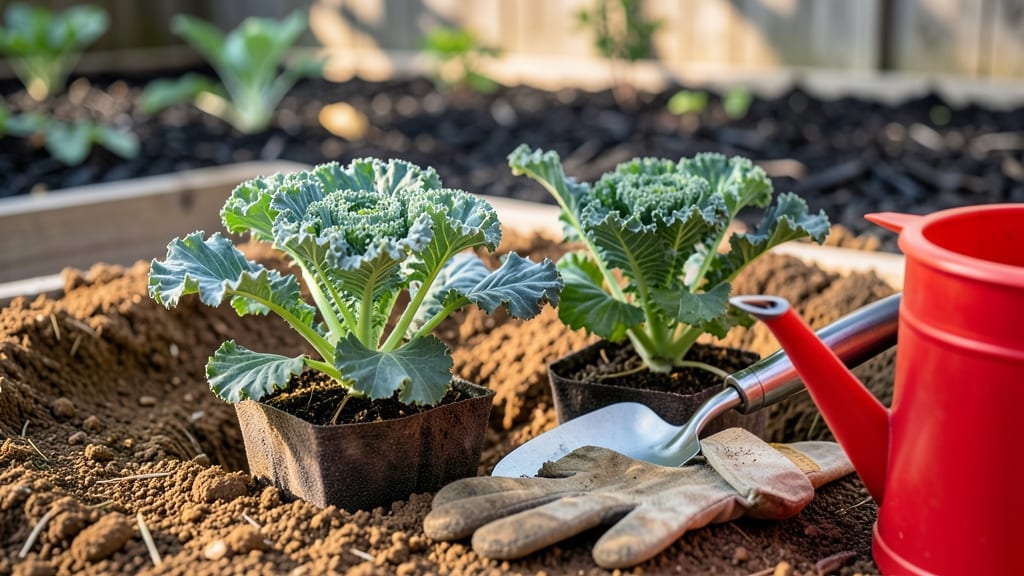
To plant kale seedlings at the right depth ensures strong roots and a healthier harvest—too shallow, and they’ll flop; too deep, and they’ll rot.
Struggling to get your kale seedlings off to the strongest start? Planting depth makes all the difference between wimpy stems and thriving, leafy greens—here’s the science-backed guide you need.
Most gardeners bury kale seedlings just deep enough to cover the roots, but that’s not always right. The ideal depth depends on soil type, climate, and whether you’re starting indoors or transplanting outdoors.
Below, I break down the exact planting depth for kale seedlings, common mistakes to avoid, and how to adjust for sandy or clay soil—plus a quick troubleshooting guide for seedlings that aren’t thriving.
Optimal kale seedling planting depth by growth stage (with soil science)
Getting your kale seedlings planted at the right depth is one of the most overlooked steps for strong, healthy growth. Too shallow, and they’ll flop over like dandelions in a breeze. Too deep, and you’ll smother their cotyledon leaves before they even get a chance to photosynthesize.
The science behind seedling depth involves soil temperature, moisture retention, and root development—all critical for survival rates.
For kale seedlings, the ideal planting depth changes as they grow. Young seedlings need gentle placement, while transplants require firmer positioning to stabilize their developing roots. Understanding these stages helps you avoid common planting mistakes that lead to leggy, weak plants or even damping-off disease.
Let’s break down the exact depths for each stage and why they matter.
Soil science tells us that kale thrives when its seed leaves (cotyledons) sit just below the soil surface. This ensures they can push through while still protecting the delicate true leaves below. The root zone should remain moist but well-aerated, which is why loose, compost-amended soil is non-negotiable. If your soil is compacted, roots will struggle to expand, leading to stunted growth.
Here’s the golden rule: For young seedlings, aim to bury only the bottom half of the stem—about ¼ to ½ inch deep. For transplants, you can go slightly deeper, up to 1 inch, to encourage root stability.
But never bury the true leaves—they need light to fuel growth. Let’s dive into the specifics with this handy reference table.
| Growth Stage | Planting Depth | Soil Conditions | Key Notes |
|---|---|---|---|
| Seedlings (1-2 true leaves) | ¼ to ½ inch deep | Loose, well-draining | Bury only cotyledons; true leaves must stay above soil. |
| Transplants (3+ true leaves) | ½ to 1 inch deep | Moist, compost-rich | Firm soil gently around stem to prevent air pockets. |
| Mature Seedlings (Hardened Off) | 1 inch deep (max) | Warm, fertile | Avoid burying stem base; roots will expand downward. |
| Container-Grown Seedlings | ½ inch deep (shallow pots) | Lightweight potting mix | Use well-draining soil to prevent root rot in pots. |
Now that you know the ideal depths, let’s talk about why these measurements matter. Soil temperature plays a huge role—kale roots struggle to establish in cold soil below 50°F (10°C).
If you’re planting in early spring or fall, warm the soil with black plastic mulch or a cold frame for 2-3 weeks before transplanting. This gives roots a head start in warmer conditions.
Moisture is another critical factor. Kale seedlings need consistent moisture but hate soggy soil. Planting too deep can trap moisture around the stem, inviting fungal diseases like damping-off. To balance this, always water deeply but infrequently—aim for 1-2 inches of soil moisture per week.
A moisture meter is your best friend here, but even a simple finger test works: if the top 1 inch of soil feels dry, it’s time to water.
Root development is where the magic happens. When you plant at the right depth, you encourage roots to grow downward rather than circling in the soil. This creates a stronger anchor for the plant and improves its ability to access nutrients and water.
If you notice your kale seedlings developing weak, shallow roots, it’s a sign they were either planted too shallow or the soil was too compacted. Loosen the soil with a fork before planting to give roots room to explore.
One of my biggest planting mistakes was burying kale seedlings too deep—thinking it would give them extra support. Instead, I ended up with yellowing leaves and stunted growth because the buried stems couldn’t breathe. The lesson? Less is more when it comes to depth.
For direct-sown seeds, scatter them ¼ inch deep and keep the soil moist until germination. For transplants, dig a hole just deep enough to cover the roots without smothering the stem.
Pro tip: If you’re transplanting older seedlings (4-6 weeks old), gently tease out the roots before planting to encourage them to spread. This is especially helpful if your seedlings were root-bound in their containers. A quick soak in lukewarm water for 10-15 minutes before transplanting also helps reduce shock.
Pair this with a balanced fertilizer (like 5-10-10) mixed into the planting hole, and your kale will thank you with bold, vibrant leaves.
Finally, don’t forget about spacing. Kale needs room to grow—aim for 12-18 inches apart in rows 24-36 inches apart. Crowding leads to poor air circulation, which increases the risk of pests and diseases.
If you’re growing kale in containers, choose pots at least 12 inches deep and
Common mistakes that stunt kale growth (and how to fix them)
Even the hardiest kale seedlings can struggle if planted too deep or crowded. I’ve seen stunted growth from over-deepening—where stems rot before leaves even unfurl—and yellowing leaves from poor spacing. These mistakes are more common than you’d think, but the fixes are simple once you know the signs.
The biggest culprit? Burying the seedling stem too far below soil level. Kale’s cotyledon leaves (those first tiny leaves) should sit just above the soil line. When buried too deep, they can’t photosynthesize, starving your plant before it even starts growing strong roots.
⚠️ callout warning
Burying kale seedlings more than 1 inch deep risks stem rot and poor air circulation. The seedling's first true leaves should be level with or slightly above soil. If you’ve already planted too deep, gently expose the stem by loosening soil around it.
💡 Pro Tip: Use a toothpick to mark optimal depth in your pot before transplanting.
Another mistake? Crowding seedlings too closely. Kale needs 12-18 inches between plants to avoid competition for nutrients and sunlight. I once planted kale 6 inches apart—the result? Pale, leggy stems and stunted growth. Thin seedlings early to give roots room to spread.
Don’t overlook soil compaction, either. Heavy or wet soil can suffocate roots, causing yellowing leaves and slow growth. Before planting, loosen soil with a garden fork to a depth of 6-8 inches. Mix in compost to improve aeration and drainage.
To salvage struggling seedlings, start with proper spacing and light soil. If your kale’s leaves are yellowing, check the roots—if they’re dark and mushy, it’s time to replant at the correct depth. A little prevention now saves hours of frustration later.
Remember: Kale thrives on attention. Give it the right depth, space, and soil, and you’ll be harvesting crisp, nutrient-packed leaves in no time. 🌱