
Planting
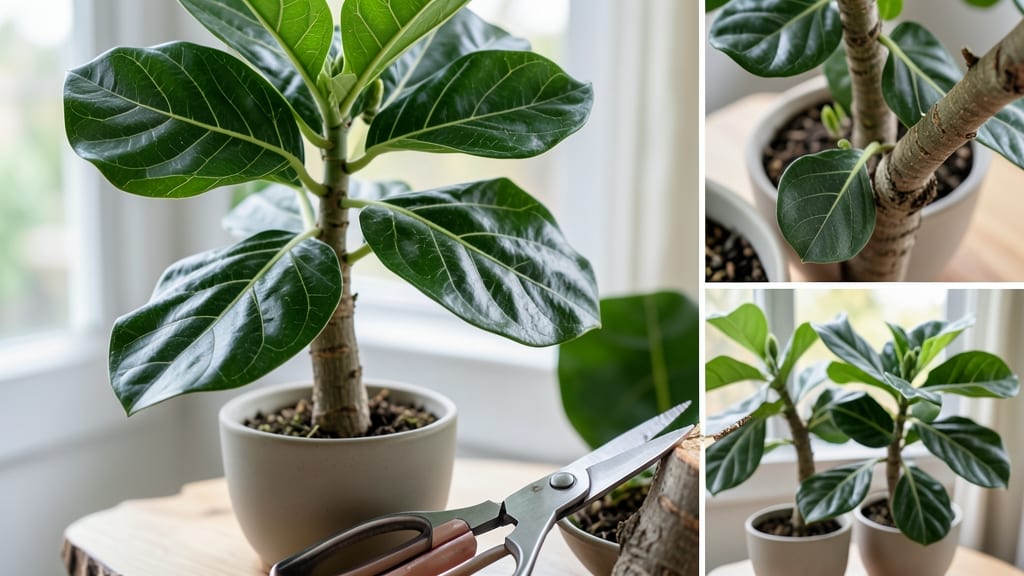
Cutting a fiddle leaf fig isn't just about trimming—it's about unlocking bushier, fuller growth that makes your plant look like it belongs in a botanical garden. ✂️ I've spent years perfecting this technique after my first attempt left me with a sad, leggy plant that never filled out.
The key is knowing where to cut, when to do it, and how to care for the plant afterward so it bounces back stronger than ever.
Spring and early summer are the best times to prune, when your fiddle leaf fig is actively growing. You'll need clean, sharp pruners or scissors, rubbing alcohol to sterilize them, and a clear understanding of nodes—the small bumps on the stem where leaves grow.
Cut just above a node at a 45-degree angle, and aim for the lower third of the plant to encourage branching. This single step transforms a tall, sparse plant into a lush, multi-stemmed beauty.
After pruning, your plant will focus energy on new growth rather than just vertical stretching.
Within weeks, you'll see fresh leaves emerging from the cut stems, and with proper care—bright, indirect light, moderate watering, and occasional misting—your fiddle leaf fig will reward you with fuller foliage and a more compact shape.
The cuttings themselves can root in water or soil, giving you free plants to share or expand your collection.
Common mistakes like cutting too close to the base or using dull tools can stress the plant, so always work with clean cuts and follow the node rule. Even if you're nervous, start with one or two stems to see how your plant responds.
The results are worth the effort—your fiddle leaf fig will thank you with vibrant, healthy growth that turns heads in any room.
Root Causes of Overgrowth
If your fiddle leaf fig (Ficus lyrata) is looking leggy, sparse, or overcrowded, it’s likely sending you a silent SOS. Pruning isn’t just about aesthetics—it’s a survival strategy for the plant. Understanding why your fig needs a trim helps you act with precision, not panic.
Below, we break down the science behind the chaos, so you can diagnose the real culprits and restore balance to your leafy friend.
Fiddle leaf figs are tropical drama queens—they thrive in bright, indirect light but hate playing second fiddle to their own branches. When leaves cluster too tightly, they block sunlight from reaching the lower stems, triggering a survival response:
- Photosynthesis slowdown: Shaded leaves produce less chlorophyll, weakening the plant’s energy reserves. The fig prioritizes growth in sunlit areas, leaving lower stems bare and vulnerable to pests or disease.
- Airflow issues: Dense foliage traps humidity, creating the perfect breeding ground for fungal infections (like powdery mildew) or pests (e.g., spider mites). Poor airflow also delays healing after cuts.
- Resource theft: The plant diverts nutrients and water to the "favorite" branches, starving others. Think of it like a sibling rivalry—only one gets the dessert.
Actionable fix: Trim back the thickest stems to improve light penetration and airflow. Aim for a 1/3 reduction in foliage to reset the plant’s growth priorities.
Fiddle leaf figs are tropical natives, but many homes mimic a desert greenhouse—dry air, fluctuating temps, and drafts. When environmental conditions stray from their ideal range (65–75°F and 40–50% humidity), the plant reacts in predictable ways:
| Stress Factor | Plant’s Response | Why It Triggers Pruning |
|---|---|---|
| Low humidity (<30%) | Dropping leaves (especially lower ones) to conserve water. | Leaves lose turgor pressure, making stems weak and prone to snapping. Pruning removes dead weight and encourages new, healthier growth. |
| Cold drafts (<55°F) | Stunted growth or yellowing leaves due to metabolic slowdown. | Cold stress weakens cell walls, making branches brittle. Pruning prevents catastrophic breakage during handling. |
| Sudden temp swings | Leaf scorch (brown edges) or wilting. | Stressed leaves become entry points for pathogens. Pruning removes compromised foliage before rot spreads. |
Actionable fix: If your plant’s stress is environmental, prune to reduce surface area (less water loss) and improve airflow. Pair trims with a humidifier or pebble tray to stabilize conditions.
Fiddle leaf figs grow fast but age like fine wine—eventually, their structural integrity crumbles. Over time, these issues emerge:
- Hollow stems: As the plant matures, older stems can become pithy (soft and hollow inside), making them prone to snapping under the weight of new leaves. This is a common cause of "sudden death" in large figs.
- Apical dominance fade: The terminal bud (growth tip) weakens with age, causing lateral branches to compete for dominance. Without intervention, the plant becomes a tangled mess.
- Root-bound stress: Even with regular repotting, fiddle leaf figs can outgrow their containers. Restricted roots can’t support the top growth, leading to top-heavy collapse.
Actionable fix: If your fig’s stems feel spongy or hollow when tapped, it’s time for a rejuvenation cut. Prune back to a healthy node (a bump where leaves grow) to encourage new, sturdy growth from the base.
When pests or pathogens move in, your fiddle leaf fig won’t ask for help—it’ll just start dying. Here’s how infestations force pruning:
- Spider mites or mealybugs: These sap-suckers cluster on undersides of leaves and in leaf axils (where stems meet branches). Their webbing or cottony residue blocks stomata (pores for gas exchange), suffocating the plant.
- Fungal infections (e.g., root rot, leaf spot): Overwatering or poor drainage creates anaerobic soil, which drowns roots and spreads fungi like Phytophthora. The plant sheds leaves to reduce water demand, but the damage is often irreversible without pruning.
- Bacterial blight: Wet leaves + poor airflow = oozing lesions on stems. Bacteria spread via pruning tools, so infected branches must be removed immediately.
Actionable fix: Isolate the plant, sterilize tools with rubbing alcohol, and trim all infected leaves/stems (cut 1/4 inch below the damage). Dispose of clippings in sealed bags to prevent reinfestation.
Pro Tip: 💡 Before you prune, snap a photo of the problem areas and compare them to a pest/disease ID guide. Misdiagnosing stress as "just legginess" can turn a simple trim into a disaster.
Fixing Your Fiddle Leaf Fig
Now that you know what’s causing your fiddle leaf fig’s stress, let’s turn those brown leaves and leggy stems into a thriving, bushy plant with confidence!
Whether you’re dealing with overgrowth, disease, or just giving your plant a fresh new look, these solutions are simple, practical, and designed to keep your fiddle leaf fig happy and healthy.
If your fiddle leaf fig has stretched too tall or grown unevenly, it’s time to prune for a fuller, more compact shape. Here’s how:
Step 1: Identify the Right Cuts 🔪
- Look for stems that are too long (reaching for light) or bare at the bottom (no leaves).
- Focus on healthy stems—avoid cutting near yellow or mushy spots (signs of disease or rot).
Step 2: Cut Above a Leaf Node ✂️
- Use clean, sharp pruning shears (sterilized with rubbing alcohol).
- Make your cut just above a leaf node (the bump where leaves grow). This encourages new growth.
- Angle the cut slightly downward to prevent water from pooling.
Step 3: Propagate the Cuttings 🌿
- Place cuttings in room-temperature water (change weekly) or moist sphagnum moss in a propagator.
- Keep them in bright, indirect light and wait for roots to form (2–4 weeks).
- Once rooted, transplant into small pots with well-draining soil.
Prevention Tips: ✅ Rotate your plant every few weeks so all sides get light. ✅ Fertilize lightly in spring/summer to encourage balanced growth. ✅ Avoid overwatering—soil should dry out between waterings.
Brown or yellow leaves aren’t always a sign to panic—sometimes they’re just old or damaged. But if they’re spreading, it could mean overwatering, underwatering, or pests. Here’s how to handle it:
Step 1: Assess the Damage 👀
- Brown edges? Likely underwatering or low humidity.
- Yellow leaves? Usually overwatering or root rot.
- Holes or spots? Could be pests (like spider mites) or fungal issues.
Step 2: Remove Problem Leaves 🧹
- Snip off fully brown or crispy leaves at the base.
- For yellow leaves, wait until they’re completely yellow before removing—this prevents stress.
- If leaves are mushy or smelly, your plant may have root rot. Trim affected areas and repot in fresh soil.
Step 3: Adjust Care Routine 💧
- Brown leaves? Increase humidity with a pebble tray or humidifier.
- Yellow leaves? Let the top 1–2 inches of soil dry out before watering again.
- Pests? Wipe leaves with neem oil solution (1 tsp neem oil + 1 quart water) weekly.
Prevention Tips: 💡 Water only when the topsoil is dry—stick your finger in to check! 💡 Dust leaves monthly with a damp cloth to help with photosynthesis. 💡 Quarantine new plants for a week to avoid introducing pests.
If your fiddle leaf fig is under siege by spider mites, mealybugs, or scale, pruning alone won’t fix it—but it’s a great first step to remove infested areas and stop the spread.
Step 1: Isolate the Plant 🏠
- Move your fiddle leaf fig away from other houseplants to prevent pests from jumping ship.
Step 2: Trim Infested Growth ⚔️
- Cut off severely affected leaves or stems (where you see webbing, sticky residue, or bugs).
- Focus on new growth—pests love tender leaves!
Step 3: Treat with Natural Remedies 🌿
- Neem oil spray: Mix 1 tsp neem oil + 1 quart water + a drop of dish soap. Spray every 5–7 days for 2–3 weeks.
- Insecticidal soap: Follow package instructions for a quick kill.
- Rubbing alcohol wipe: For stubborn bugs, dab a cotton swab with alcohol and swipe them off.
Prevention Tips: ✨ Inspect new plants before bringing them home. ✨ Wipe leaves with a damp cloth weekly to remove eggs. ✨ Encourage beneficial insects like ladybugs if you have an outdoor space.
Once you’ve trimmed, your fiddle leaf fig will need some TLC to bounce back stronger than ever.
Step 1: Give It a Break from Water 🚫💦
- Don’t water for 3–5 days after pruning to let cuts heal and prevent rot.
- Resume watering when the top 2 inches of soil are dry.
Step 2: Boost Humidity 🌡️
- Mist leaves lightly or place the pot on a tray with pebbles and water (not touching the pot).
- Aim for 40–60% humidity—your plant will thank you!
Step 3: Fertilize Lightly 🌱
- Wait 4–6 weeks after pruning before fertilizing.
- Use a balanced liquid fertilizer (like 10-10-10) diluted to half strength once a month in spring/summer.
Pro Tip: 💡 If your plant looks shocked after trimming (dropping leaves), don’t worry—it’s normal! Keep conditions stable, and new growth will come in 4–8 weeks.
If your fiddle leaf fig is severely diseased, root-bound, or just not recovering, it might need professional help.
Consider: - Repotting in fresh, well-draining soil if roots are circling. - Consulting a local nursery for severe pest or fungal issues. - Starting fresh with a cutting if the main plant is beyond saving (sometimes the best solution!).
Your fiddle leaf fig is resilient—with the right cuts and care, it’ll reward you with lush, vibrant growth in no time. Happy pruning! 🌿✂️
Frequently asked questions
Can I cut my fiddle leaf fig in winter?
Winter is not the best time to prune—your fiddle leaf fig is in its dormant phase and needs to conserve energy. Wait until spring or early summer when active growth resumes. If you must trim in winter (e.g., for dead leaves), keep cuts minimal to avoid stressing the plant further.
How do I know if I'm cutting in the right place?
Look for leaf nodes—those small bumps on stems where leaves grow. Cut just above a node at a 45-degree angle to encourage new growth. Avoid cutting too close to the base or into hollow stems, which can harm the plant.
What should I do with the cuttings after pruning?
Place cuttings in room-temperature water (change weekly) or moist sphagnum moss in a propagator. Keep them in bright, indirect light—roots typically form in 2-4 weeks. Once rooted, transplant into small pots with well-draining soil.
Will pruning my fiddle leaf fig stunt its growth?
No—pruning actually encourages bushier, healthier growth by removing leggy stems and redirecting energy. Think of it like a haircut: trimming promotes fuller, more balanced growth. Just avoid over-pruning (never remove more than 1/3 of the plant at once).
Why are my cuttings not rooting?
Cuttings need warmth, humidity, and patience. Ensure they’re in bright, indirect light (no direct sun) and keep the water/moss consistently moist, not soggy. If using water, change it weekly to prevent bacteria. Roots usually appear in 2-4 weeks—if not, check for rot or pests.