
Planting
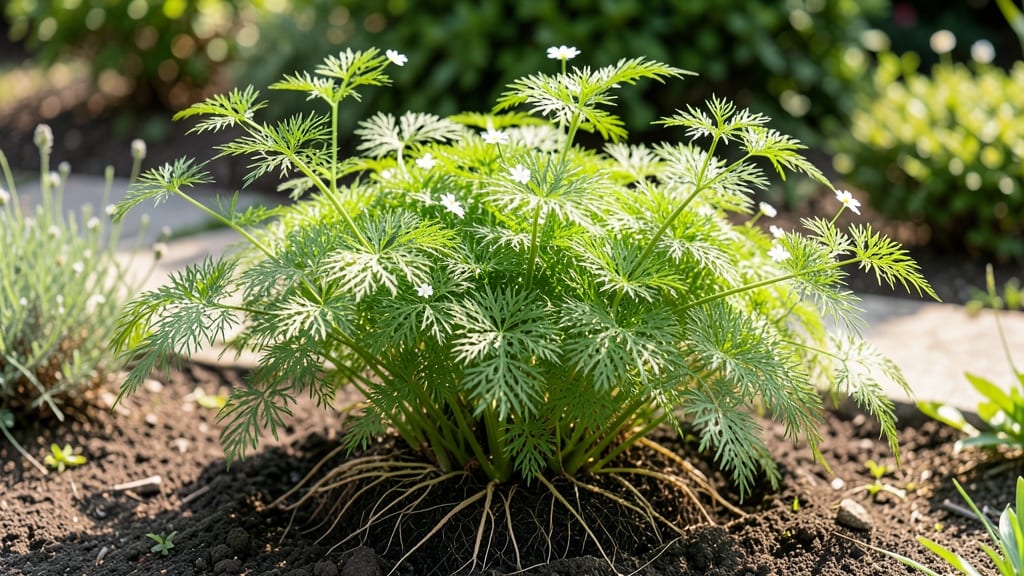
That plant that looks like asparagus with white flowers you spotted—it’s either Asphodeline or Ornithogalum—both stunning, low-maintenance perennials that thrive in sunny spots. 🌿 I’ve grown both in my dry, rocky garden, and they’ve become my go-to for texture and late-spring blooms without the fuss of asparagus.
The secret to their success is well-draining soil and minimal watering—they mimic their wild Mediterranean roots. Plant them in full sun, space them 12–18 inches apart, and watch them spread over time.
They’re tougher than they look, handling drought once established, but they’ll reward you with months of blooms if you keep them happy.
You’ll harvest nothing edible, but the airy white flowers and arching foliage make them a standout in borders or rock gardens. They self-seed lightly, so you might get surprise pops of color in unexpected spots—just thin them out to avoid overcrowding.
Common issues? Too much water or shade slows them down, but they bounce back. Perfect for beginner gardeners or anyone who wants easy, long-lasting beauty with almost no effort.
Root Causes Behind Growth
If you’ve spotted a plant resembling asparagus with delicate white flowers but aren’t sure why it’s thriving—or struggling—in your garden, the answer likely lies in its natural growth habits and environmental needs. Understanding these factors helps you replicate (or correct) the conditions for optimal performance.
Many plants that resemble asparagus—such as Asphodelus species, Ornithogalum (star-of-Bethlehem), or Lomandra—are perennial or semi-perennial, meaning they rely on specific seasonal cues to flourish. Their white flower spikes emerge in spring or early summer, triggered by:
- Temperature shifts: Cooler winter months followed by warming soil (around 50–60°F) signal the plant to send up flower stalks. If winters are too mild or summers arrive abruptly, flowering may be delayed or stunted.
- Daylight exposure: These plants often need 6–8 hours of direct sunlight daily to produce energy for flowering. Shade can lead to leggy growth with fewer or no blooms.
- Root establishment: Young plants may take 1–2 years to develop a robust root system before flowering. Rushing harvest or transplanting too soon can halt bloom production.
Actionable fix: If your plant isn’t flowering, mimic its natural cycle by ensuring it gets consistent sunlight and undisturbed roots for at least a year before expecting blooms.
Asparagus-like plants with white flowers are often drought-tolerant but not flood-tolerant. Their growth patterns are heavily influenced by soil moisture and composition:
| Issue | Why It Happens | Solution |
|---|---|---|
| Yellowing leaves or stunted growth | Overwatering or poorly draining soil leads to root rot (fungal infections like Phytophthora). These plants prefer well-draining, sandy loam. | Amend soil with perlite or compost and water only when the top 2 inches of soil are dry. |
| Wilting or crispy edges | Underwatering or high salinity (from tap water) causes osmotic stress. Their fibrous roots need consistent moisture but hate soggy conditions. | Use rainwater or filtered water and mulch with straw or pine needles to retain humidity. |
| No flowers despite mature roots | Excess nitrogen (from fertilizers) encourages leafy growth over blooms. These plants need a balanced NPK ratio (e.g., 5-10-10). | Switch to a low-nitrogen, phosphorus-rich fertilizer in early spring. |
Pro tip: 🌡️ Test your soil’s pH—most asparagus-like plants thrive in slightly acidic to neutral soil (pH 6.0–7.0). Adjust with lime (to raise pH) or sulfur (to lower it) if needed.
While these plants are generally hardy, pests and pathogens can derail their growth or flower production. Common culprits include:
- Asparagus beetles: Their larvae chew on crowns and roots, weakening the plant’s ability to produce flower stalks. Look for small black or yellow beetles on foliage.
- Fungal infections (e.g., rust or powdery mildew): High humidity and poor airflow create conditions for spore growth, causing leaves to yellow or drop before flowering.
- Root-knot nematodes: Microscopic worms that damage roots, reducing nutrient uptake. Infested plants may produce fewer or no flowers.
Actionable fixes:
- 🔥 Handpick beetles or use neem oil spray (1 tbsp per gallon of water) to deter them.
- ✨ Improve airflow by spacing plants 12–18 inches apart and pruning crowded foliage.
- 🌱 Rotate crops annually to prevent nematode buildup in the same soil.
By addressing these root causes—whether it’s tweaking sunlight, soil, or pest control—you’ll give your asparagus-like plant the best chance to thrive and reward you with those prized white blooms.
Revive Your Tall Garden Beauty
If your plant that resembles asparagus with delicate white blooms is struggling, don’t toss it out just yet! With the right care, you can bring it back to its vibrant best. Below are practical, step-by-step solutions tailored to common issues—plus prevention tips to keep your plant thriving long-term.
Cause: Roots competing for space, stunted growth, or yellowing leaves. Fix:
- 🔪 Gently Remove the Plant – Carefully dig around the base, loosening soil with a fork or trowel.
- 🌿 Separate the Clumps – Split the root ball into smaller sections, ensuring each has healthy roots and shoots.
- 🌱 Replant Strategically – Space them 12–18 inches apart in well-draining soil. Water deeply after transplanting.
- ⏰ Monitor for 2 Weeks – Keep soil moist (but not soggy) to help roots establish.
💡 Prevention Tip: Divide mature plants every 2–3 years to prevent overcrowding.
Cause: Scorched leaves, wilting, or bleached stems from harsh sunlight. Fix:
- 🌿 Find the Sweet Spot – Move your plant to partial shade (4–6 hours of morning sun + dappled afternoon light).
- 🏡 Use Sheer Curtains or Mesh – If outdoors, provide 30–50% shade cloth during peak sun hours (10 AM–4 PM).
- 💧 Hydrate More Frequently – Shady spots retain less moisture; water when the top 1 inch of soil feels dry.
- 🌱 Mulch to Retain Coolth – Apply 2–3 inches of organic mulch (straw or shredded leaves) to regulate soil temperature.
💡 Prevention Tip: If growing in containers, choose light-colored pots to reflect excess heat.
Cause: Crispy edges (underwatered) or mushy stems (overwatered). Fix:
- 📊 Check Soil Moisture – Stick your finger 1–2 inches deep. If dry, water; if soggy, hold off.
- 🌧️ Adjust Your Watering Routine –
- Underwatered? Water deeply 2–3 times per week (early morning is best).
- Overwatered? Let soil dry 50% between waterings and improve drainage (see below).
- 🏗️ Upgrade Drainage – Add perlite or coarse sand to heavy clay soil, or repot in a container with drainage holes.
- 🌿 Trim Damaged Foliage – Snip off crispy or yellow leaves to redirect energy to healthy growth.
💡 Prevention Tip: Use a moisture meter for accuracy, especially in containers.
Cause: Chewed leaves, sticky residue, or tiny webs (aphids, spider mites, or slugs). Fix:
- 🔍 Identify the Culprit –
- Aphids? Tiny green/black bugs clustered on stems.
- Spider Mites? Fine webbing on undersides of leaves.
- Slugs? Slimy trails and ragged holes at night.
- 🌿 Spray Homemade Pesticides –
- Aphids/Mites: Mix 1 tsp neem oil + 1 tsp mild soap in 1 quart water. Spray leaves every 5–7 days.
- Slugs: Set up beer traps (bury a shallow dish filled with beer) or use copper tape around pots.
- 🌱 Encourage Beneficial Bugs – Attract ladybugs or lacewings by planting dill, marigolds, or yarrow nearby.
- 🧼 Clean Up Debris – Remove fallen leaves and weeds where pests hide.
💡 Prevention Tip: Prune regularly to improve airflow and deter pests.
Cause: Drooping, blackened leaves, or stunted growth from cold drafts or heatwaves. Fix: 1. 🏡 Move Indoors Temporarily – If frost is forecast, bring potted plants inside near a bright, cool window.
- 🔥 Shield from Heat – Use a breathable shade cloth (like a white umbrella) during summer heatwaves.
- 🌱 Acclimate Gradually – If moving between indoors/outdoors, do so over 7–10 days to avoid shock.
- 💧 Increase Humidity – Place a pebble tray with water nearby or mist leaves lightly (avoid soggy soil).
💡 Prevention Tip: Monitor weather alerts and plan ahead for extreme temps.
Cause: Pale leaves, weak stems, or slow growth (lack of nitrogen, phosphorus, or potassium). Fix: 1. 📊 Diagnose the Problem – - Yellow lower leaves? Likely nitrogen deficiency. - Purple stems? Phosphorus shortage. - Brown leaf edges? Potassium lack.
- 🌱 Apply Balanced Fertilizer – - Organic option: Mix compost or worm castings into soil. - Synthetic option: Use a 10-10-10 or 5-10-10 fertilizer every 4–6 weeks in growing season.
- 💧 Water After Fertilizing – Helps nutrients absorb into the soil.
- 🌿 Prune Back – Trim 1/3 of the plant to encourage bushier, stronger regrowth.
💡 Prevention Tip: Test soil annually (DIY kits are affordable!) to adjust nutrients proactively.
Keep your plant flourishing with these easy maintenance habits:
- 🌱 Prune regularly to encourage airflow and blooms.
- 🌿 Rotate pots every few weeks for even sunlight exposure.
- 💧 Mulch annually to retain moisture and suppress weeds.
- 🌱 Divide every 2–3 years to prevent overcrowding.
With these targeted fixes, your asparagus-like beauty with white flowers will bounce back—and stay stunning for seasons to come! 🌸💚
Frequently asked questions
What are the most common plants that look like asparagus but have white flowers?
The two most likely candidates are Ornithogalum (star-of-Bethlehem) and Asphodeline (Asphodel). Both feature slender, grass-like foliage and produce striking white flower spikes in spring. Asphodeline often has more vibrant yellow centers, while Ornithogalum varieties like Ornithogalum arabicum have pure white blooms.
Can I grow these plants in containers?
These plants thrive in containers with well-draining soil and drainage holes. Use pots that are at least 12 inches deep and 10 inches wide to accommodate their fibrous root systems. Place containers in full sun and water only when the top 2 inches of soil feel dry—they prefer drought conditions once established.
Why aren't my plants flowering?
White flower production often takes 1-2 years after planting, as the roots need time to establish. If your mature plant still isn't blooming, check these common issues: too much nitrogen fertilizer (promotes leaves over flowers), insufficient sunlight (they need 6-8 hours daily), or overcrowded roots. Try dividing clumps or switching to a low-nitrogen, phosphorus-rich fertilizer in early spring.
Are these plants toxic to pets or children?
While generally considered non-toxic, some Ornithogalum species contain mild toxins that may cause stomach upset if ingested in large quantities. Asphodeline is safer but can still irritate sensitive stomachs. Keep them out of reach of pets and small children, and always supervise interactions with new plants. If ingestion occurs, contact your vet or poison control immediately.
How do I prevent these plants from spreading too much?
These plants self-seed readily, which can lead to overcrowding. To control spread: deadhead spent flower stalks before they set seed, divide clumps every 2-3 years to maintain spacing, and plant in containers if you prefer contained growth. For aggressive spreaders, consider Ornithogalum thyrsoides, which has lower seed production.