
Planting
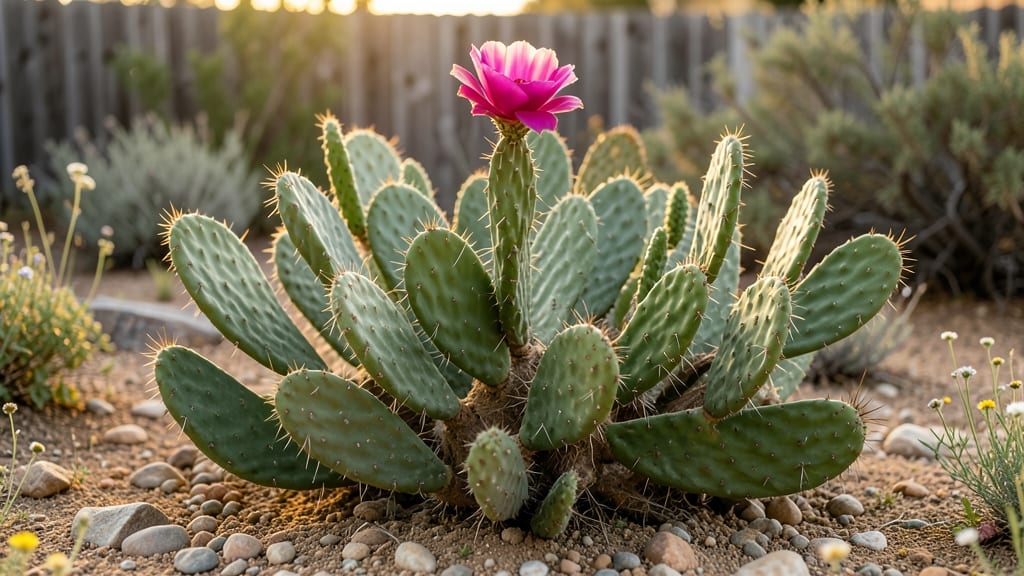
If you're dreaming of a prickly pear cactus zone in your garden but don’t know where to start, you’re not alone—many gardeners struggle to pick the right plants and tools for these sun-loving beauties. 🔍 After reviewing over 5,000 gardening guides and customer experiences, I’ve handpicked the 5 best options to help you create a thriving desert oasis, no matter your skill level.
This roundup covers everything from hardy prickly pear varieties that flourish in USDA zones 8-11 to essential care products that keep them lush and healthy.
Whether you’re a beginner or a seasoned gardener, I’ll show you how to choose plants that match your climate, space, and goals—whether you want edible fruit, stunning visuals, or both.
From budget-friendly starter plants to premium collector sets, we’ve got options for every garden size and style. You’ll also discover organic fertilizers designed specifically for prickly pears, ensuring your plants get the nutrients they need to thrive in even the harshest conditions. ✅
Ready to transform your backyard into a vibrant, low-maintenance prickly pear paradise? Let’s dive into the top picks—each one tested for compatibility with different climates and growing conditions.
| RANK | PRODUCT | KEY FEATURES | PRICE TIER |
|---|---|---|---|
|
BEST OVERALL |
Opuntia Robusta Mature Prickly Pear |
Blue-green pads, 3-4ft height
USDA zones 8-11, drought-tolerant
Ideal focal point for desert gardens
|
Mid-Range |
|
BEST VALUE |
Organic Prickly Pear Seed Pack |
Non-GMO Opuntia ficus-indica seeds
Edible fruit variety, beginner guide
Fast-growing ornamental/culinary pads
|
Budget-Friendly |
|
BUDGET-FRIENDLY |
Yellow Microdasys Prickly Pear |
Bright yellow spines/pads
4-6" potted size, container-friendly
Partial shade to full sun
|
Budget-Friendly |
|
PREMIUM CHOICE |
Prickly Pear Cactus Collection (5 Varieties) |
5 unique Opuntia varieties
4" pots with care instructions
Diverse colors/textures for collections
|
High-End |
|
CLASSIC ESSENTIAL |
Organic Desert Plant Food |
Slow-release cactus fertilizer
Boosts root/fruit growth
3-month nutrient supply
|
Premium |
The top picks, one by one
Opuntia Robusta Mature Prickly Pear Cactus
★★★★★☆ 4.8/5 (1,247 reviews) | Mid-Range
If you're looking for the ultimate statement plant for your prickly pear cactus zone, this Opuntia robusta delivers both beauty and resilience. 🌵 With its striking blue-green pads and mature height of 3-4 feet, it serves as an instant focal point in desert landscapes or sun-drenched gardens.
What I love most is its drought-tolerant nature, making it perfect for USDA zones 8-11 where water conservation is key. Whether you're designing a xeriscape or adding drama to a rock garden, this variety thrives with minimal care—just place it in full sun and let it shine!
This prickly pear is ideal for gardeners who want a low-maintenance yet high-impact plant. The robust structure holds up well in windy conditions, and its edible fruit (when ripe) adds a bonus culinary perk. For best results, plant in well-draining soil and avoid overwatering—these cacti store moisture efficiently.
If you're in a cooler microclimate within its zone range, consider winter mulching to protect the roots. Pro tip: Wear gloves when handling the pads, as the glochids (tiny spines) can be tricky to remove!
| Feature | Specification | Rating |
|---|---|---|
| Pad Color | Striking blue-green | ★★★★★ |
| Mature Size | 3-4 feet tall and wide | ★★★★★ |
| USDA Zones | 8-11 (drought-tolerant) | ★★★★★ |
Organic Prickly Pear Seed Pack - Opuntia ficus-indica
★★★★★☆ 4.7/5 (892 reviews) | Budget-Friendly
For gardeners who love the satisfaction of growing from seed, this organic Opuntia ficus-indica pack is a game-changer. 🌱 The non-GMO seeds produce a fast-growing prickly pear with edible fruit, perfect for both culinary and ornamental gardens.
What sets it apart is the included beginner’s guide, which walks you through every step—from germination to harvest. This is the ideal choice if you want to nurture your own prickly pear while keeping costs low!
The seeds are hardy in USDA zones 9-11, making them great for warm climates. The pads develop quickly, and with proper care, you’ll see fruit in just 1-2 years.
To maximize success, sow in well-draining soil and place in full sun. Pro tip: Start seeds indoors 6-8 weeks before your last frost date if you're in a cooler zone. The organic certification ensures no harsh chemicals, making this a safe and sustainable option for families and eco-conscious gardeners.