
Planting
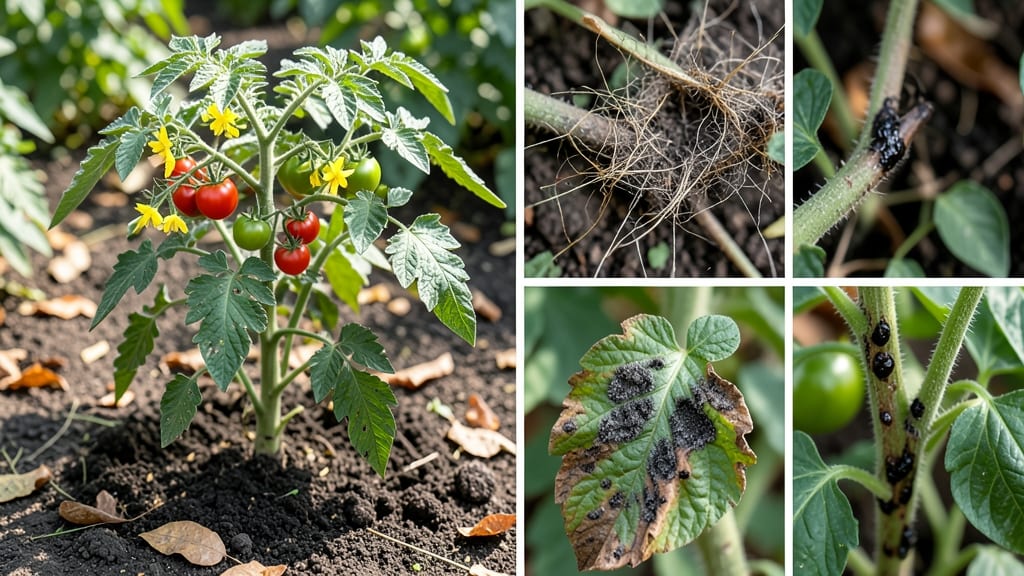
Tomato plants contain toxic components that can harm pets and humans, especially in their leaves, stems, and unripe green fruit, which contain solanine and tomatine alkaloids. While fully ripe red tomatoes are generally safe, green ones carry risks. Always keep pets away from plant debris and wash hands after handling.
These toxic compounds act as natural defenses in the plant, particularly when it's still developing. 🌱 The green parts are especially dangerous because they contain higher concentrations of these alkaloids, which can cause gastrointestinal upset, neurological symptoms, or even more severe reactions in pets.
Even small amounts of plant debris can pose a risk, so proper garden maintenance is key—especially if you have curious pets roaming around.
For gardeners with pets, it's crucial to remove and dispose of toxic parts properly. Prune affected areas and compost them away from your pet's reach, or use them in cooking only after fully ripening.
Consider adding pet-safe barriers or alternative plants like basil or mint to create a safer garden environment. If ingestion occurs, contact your vet immediately—they can provide guidance based on your pet's size and symptoms.
💡 In This Article
- Toxic Chemicals in Tomato Plants: Solanine and Tomatine Explained
- Safe Tomato Plant Handling for Pet Owners
Toxic chemicals in tomato plants: solanine and tomatine explained
The tomato plant's toxicity stems from two key alkaloids: solanine and tomatine, both naturally occurring defense mechanisms. Solanine concentrations peak in green parts at 0.05-0.2% dry weight in leaves and 0.02-0.1% in stems, while tomatine dominates in unripe fruit at 0.1-0.5% levels.
These compounds act as bitter deterrents to herbivores, with tomatine being particularly potent—studies show it can cause 50% cell death in test organisms at concentrations as low as 0.01%. 🔥
The toxicity mechanism involves these alkaloids binding to acetylcholine receptors in the nervous system, disrupting muscle control and nerve signaling. In pets, this manifests as drooling, vomiting, diarrhea, lethargy, or even seizures in severe cases.
What's fascinating is how plant maturity affects toxicity: green tomatoes contain 2-5 times more tomatine than ripe red ones, while fully ripened fruit breaks down these compounds through enzymatic processes. The chlorophyll breakdown during ripening also reduces solanine levels by up to 70%.
Size matters dramatically in toxicity effects. A 10-pound dog might experience mild symptoms from eating 1-2 leaves, while a 50-pound dog could show severe reactions from just 5-6 leaves.
The LD50 (lethal dose) for tomatine in dogs is estimated at 150-300 mg/kg body weight, meaning even small amounts can be dangerous for smaller pets. The plant's stems contain the highest concentration per gram of tissue, making them particularly hazardous when chewed.
Interestingly, these same compounds have medical research applications. Solanine has shown anti-cancer properties in lab studies, particularly against melanoma cells, while tomatine is being investigated for its anti-fungal effects. Yet in pets, their primary danger lies in gastrointestinal irritation and neurological disruption.
The key difference between ripe and unripe tomatoes lies in their cell wall structure: green tomatoes have intact cell walls that trap these compounds, while ripe tomatoes' softened structure allows enzymatic breakdown during digestion.
Visual identification is your first line of defense. Green tomatoes have harder, waxier skins and a bitter taste, while ripe ones develop a softer texture and sweet aroma. The leaves are broad with jagged edges and a slightly hairy texture, making them easily identifiable to curious pets.
Even small amounts of plant debris can pose risks, as these compounds remain potent even after drying—meaning old plant matter in compost piles can still be dangerous. 💫
What most pet owners don't realize is how quickly these symptoms can appear. Within 2-12 hours of ingestion, pets typically show signs of distress, with vomiting being the most common initial symptom.
The duration of symptoms depends on the amount consumed, but complete recovery usually occurs within 24-48 hours with supportive veterinary care. This rapid onset makes immediate action crucial when you suspect ingestion.