
Planting
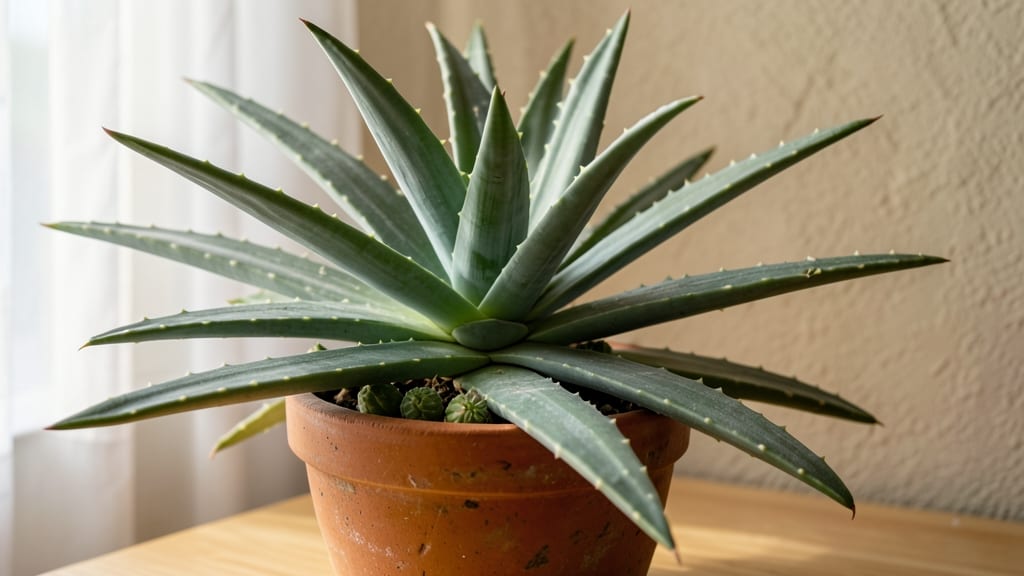
Your aloe vera plant growing out not up like a pancake instead of standing tall? 🌵 That "flat aloe" look happens when light, roots, or water throw off its natural balance—and the fix is simpler than you’d think.
I’ve nursed back three stubborn aloe plants with the same approach, and by the end of this, yours will be reaching for the sky again.
The culprits are usually too little light (making it stretch horizontally), root-bound stress (forcing it to sprawl), or overwatering (weighing down the stem). Check the base: if roots peek through drainage holes or the soil stays damp for days, that’s your first clue.
Even aloe’s natural "puppy sprawl" phase (when young) can be nudged upright with the right care.
Start by moving it to bright, indirect light (south-facing window or grow light) and let the soil dry completely between waterings. If roots are circling, repot into a slightly larger container with fresh cactus mix—this encourages vertical growth within 4-6 weeks.
For stubborn cases, trim the longest leaves at the base to redirect energy upward.
Most plants show improvement in 2-3 weeks, but be patient—aloe’s slow and steady. The key is consistency: too much water or shade sends it back to sprawl mode. Once upright, it’ll stay that way with minimal effort. Ready to fix yours?
Root Causes Of Flat Growth
Understanding why your aloe vera plant sprawls horizontally instead of reaching skyward starts with uncovering the hidden factors at play. Aloe vera, like many succulents, has a natural growth habit—but when it flattens out, it’s usually sending you a clear (if subtle) message.
Let’s break down the three most common culprits behind this frustrating growth pattern, so you can diagnose and fix the issue before it’s too late.
---
Aloe vera plants thrive when their roots have room to stretch and explore. When roots become cramped in a pot that’s too small, they compete aggressively for nutrients and water, leading to stunted, horizontal growth. Here’s why it happens:
- Root Competition: In tight spaces, roots grow outward instead of downward to escape the congestion.
This causes the plant to lean or sprawl as it searches for stability. - Nutrient Depletion: Overcrowded roots exhaust soil nutrients faster, forcing the plant to spread wider to access new resources. - Waterlogging Risk: Poor drainage in small pots traps excess moisture, suffocating roots and triggering a survival response—flattened, sprawling growth—to avoid rot.
💡 Pro Tip: If your aloe vera’s roots are circling the pot’s bottom or poking out of drainage holes, it’s pot bound. Repot into a container 20-30% larger with fresh, well-draining cactus/succulent mix to encourage upward growth.
---
Aloe vera is a sun-worshipper, and when it doesn’t get enough light, its stems weaken and stretch horizontally in a desperate bid for sunlight. This phenomenon, called etiolation, causes:
- Elongated, Floppy Stems: Without sufficient light, the plant prioritizes leaf production over stem strength, leading to weak, sprawling growth. - Pale or Yellowing Leaves: Chlorophyll production drops in low light, making leaves less vibrant and the plant more prone to flopping. - Slow Metabolism: Aloe vera relies on light for photosynthesis.
In dim conditions, its growth slows, and it defaults to a horizontal spread to maximize light absorption.
✨ Fix It Fast: Move your aloe to a south- or west-facing window (or under grow lights for 12-14 hours daily). If outdoor, ensure it gets 6+ hours of direct sun—just avoid harsh midday heat in scorching climates.
---
Too much love (in the form of water) can drown your aloe vera’s roots, forcing the plant to spread outward to escape soggy soil. Here’s how overwatering sabotages vertical growth:
- Oxygen Deprivation: Waterlogged soil blocks oxygen, suffocating roots and triggering a stress response—horizontal growth to find drier conditions. - Fungal & Bacterial Infections: Excess moisture breeds pathogens like root rot, which weakens the plant’s structure, causing it to collapse or sprawl. - Nutrient Leaching: Overwatering flushes out essential minerals, leaving the plant malnourished and prone to weak, flat growth.
🔥 Actionable Fix: - Let soil dry completely between waterings (stick your finger 2 inches deep—if dry, water; if damp, wait). - Use pots with drainage holes and a well-draining mix (60% mineral grit, 30% cactus soil, 10% perlite). - Bottom-water your aloe by placing the pot in a tray of water for 10 minutes, then draining excess.
--- 📊 Quick Diagnosis Table: Need a fast way to spot the issue? Compare your aloe’s symptoms:
| Symptom | Likely Cause | Fix | |---------------------------|---------------------------|----------------------------------| | Roots circling pot | Overcrowded roots | Repot in larger container | | Pale, stretched leaves | Low light | Move to brighter location | | Soft, mushy base | Overwatering | Adjust watering + check drainage | | Leaning or flopping | Weak stem (light + water) | Combine fixes above |
Fixing Your Aloe Vera’s Flat Growth
Now that you understand why your aloe vera is sprawling sideways instead of reaching for the sky, let’s tackle the fixes! The good news? Most of these solutions are simple, cost-effective, and can turn your plant’s growth around in just a few weeks.
Below, we’ve matched common causes to their best fixes—plus prevention tips to keep your aloe thriving long-term.
---
If your aloe vera is leaning or growing outward in search of light, it’s time to move it to a sunnier spot—but do it right to avoid shocking the plant.
#### How to Fix It: 🔥 Relocate Gradually – Don’t plop your aloe in direct midday sun overnight. Instead, place it near a south- or west-facing window (or under a grow light) for a few hours a day, then slowly increase exposure over 5–7 days. This prevents sunburn.
🍳 Rotate the Pot – Every 2–4 weeks, turn the pot a quarter-turn to ensure even light exposure. This stops one-sided growth and encourages upright stems.
👨🍳 Supplement with Grow Lights – If natural light is weak (e.g., winter or north-facing windows), use a full-spectrum LED grow light 12–14 hours a day. Keep it 6–12 inches above the plant for best results.
✨ Pro Tip: If your aloe is severely stretched (like a "leggy" succulent), you can prune the long leaves at the base to redirect energy to new growth. Just let the cuts dry for a day before replanting.
---
Too much water causes the stems to weaken and sprawl. Here’s how to drain the excess and strengthen your aloe.
#### How to Fix It: 💧 Adjust Your Watering Schedule – Aloe vera stores water in its leaves, so it only needs water every 2–3 weeks (or when the soil is completely dry). Stick your finger 2 inches into the soil—if it’s damp, wait longer.
🥘 Improve Drainage – If your pot lacks drainage holes, repot your aloe into a container with holes and use a fast-draining mix (like cactus/succulent soil + perlite or pumice). Pro tip: Add a layer of gravel at the bottom to prevent root rot.
🔪 Trim Damaged Leaves – If the stems are mushy or yellowing, snip off the affected parts with clean scissors. Let the cuts callus over for a day before replanting healthy offsets (pups) if available.
🌡️ Prevention Tip: Water only at the base—never from above—to avoid fungal growth. In humid climates, let the soil dry out even longer.
---
When roots outgrow their pot, they compete for space, causing the plant to grow outward instead of up.
#### How to Fix It: 🏗️ Repot into a Larger Container – Choose a pot only 1–2 inches wider than the current one (too big = soggy soil). Use a terracotta or fabric pot to prevent overwatering.
🌿 Divide Offsets (Pups) – If your aloe has baby plants (pups) at the base, gently separate them and replant in their own pots. This frees up resources for the main plant to grow upright.
📊 Check for Root Bound – If roots circle the pot like a pretzel, loosen them before repotting to encourage outward growth. Trim any dark, mushy roots (signs of rot).
✨ Pro Tip: After repotting, withhold water for 5–7 days to let the roots adjust. Place the plant in bright, indirect light for a week to reduce stress.
---
Extreme temps (too hot or cold) or humidity swings can weaken your aloe, making it grow flat or leggy.
#### How to Fix It: 🌡️ Find the Sweet Spot – Aloe vera thrives in 60–80°F (15–27°C). Keep it away from drafts, AC vents, or heaters. In winter, move it away from cold windows.
💦 Balance Humidity – While aloe prefers low humidity, sudden spikes (like from misting) can cause issues. Instead of misting, place a tray of pebbles and water near the plant to add slight moisture to the air.
🌿 Acclimate Slowly – If moving your aloe outdoors, harden it off over 1–2 weeks by gradually increasing sun exposure.
--- Keep your aloe growing strong and tall with these habits: - Light: 6+ hours of bright, indirect sunlight daily (or grow lights). - Water: Soak-and-dry method—water deeply, then wait until soil is bone-dry. - Pot: Well-draining with no saucers (unless emptying excess water). - Space: Repot every 2–3 years or when roots outgrow the container. - Airflow: Good circulation (but avoid fans too close). - Fertilizer: Diluted succulent fertilizer once in spring/summer (never in winter).
--- By addressing the root cause (literally!) and following these steps, your aloe vera should start reaching for the sky in no time. 🌿✨ With a little TLC, you’ll have a plump, upright plant that’s the envy of every plant lover!
Frequently asked questions
Why does my aloe vera grow sideways instead of standing upright?
Your aloe vera likely needs more sunlight or has root-bound issues. When light is insufficient, stems stretch horizontally to reach light (etiolation). Root crowding forces outward growth as roots compete for space. Check for pale leaves or roots circling the pot—both signal these common problems.
How often should I water an aloe vera that's growing flat?
Water only when the soil is completely dry—typically every 2-3 weeks. Overwatering weakens stems and encourages flat growth. Stick your finger 2 inches deep; if dry, water thoroughly at the base. Avoid saucers that trap moisture, which worsens root stress.
Can I fix my aloe vera's flat growth by just moving it to a sunnier spot?
Yes, but combine it with other fixes for best results. Move to bright, indirect light (south/west window) and repot if roots are crowded. Gradually increase sun exposure over 5-7 days to avoid shocking the plant. Rotate the pot every 2-4 weeks for even growth.
What's the best pot size for an aloe vera that's growing horizontally?
Choose a pot only 1-2 inches wider than the current one. Larger pots hold excess moisture, while smaller ones cause root competition. Use terracotta or fabric pots for better drainage. If repotting, select one with drainage holes and fresh cactus/succulent mix.
Will pruning help my aloe vera grow upright again?
Yes, but use it strategically. Trim the longest, lowest leaves at the base to redirect energy upward. Let cuts dry for 1 day before replanting healthy offsets (pups) if available. Avoid heavy pruning—focus on shaping rather than drastic cuts to prevent stress.