
Plants
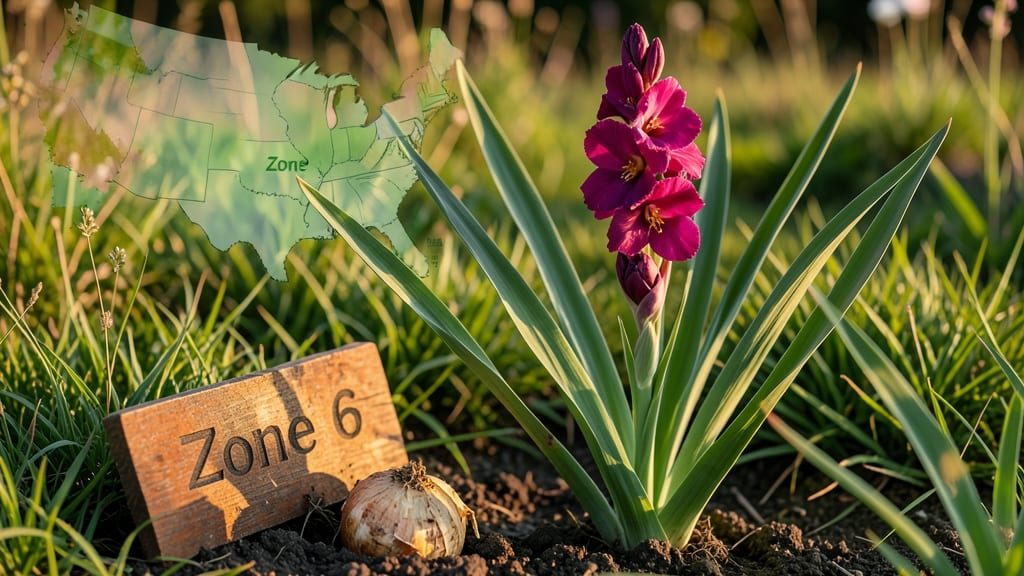
Gladiolus are not true perennials in Zone 6 unless treated as tender bulbs, requiring winter protection or annual replanting after frost kills foliage. Their hardiness tops out at Zone 8 without intervention.
Gladiolus actually originate from warmer climates where they naturally thrive as Zone 8+ perennials, making them extremely sensitive to Zone 6's harsh winters. 🌱 The bulbs can suffer chilling injury below 20°F, while even dormant bulbs may rot if exposed to prolonged cold or wet soil.
Many gardeners mistake their seasonal replanting for true perennials, but with proper overwintering techniques—like digging and storing bulbs indoors—you can effectively extend their lifespan year after year.
What sets gladiolus apart is their bulb dormancy cycle: unlike true perennials, they rely on above-ground growth to build energy reserves before winter. In Zone 6, this means their foliage will inevitably die back, but with strategic mulching or container growing, you can protect the bulbs until spring replanting.
I've seen gardeners successfully overwinter gladiolus by lifting bulbs in late fall, storing them in dry peat moss, and replanting after the last frost—this mimics their natural tropical origins while adapting to colder climates.
💡 In This Article
- Gladiolus Cold Tolerance Limits in Zone 6
- Zone 6 Gladiolus Overwintering Strategies
Gladiolus cold tolerance limits in Zone 6
Gladiolus bulbs originate from South Africa and subtropical regions, where they naturally experience mild winters with temperatures rarely dropping below 40°F. Their cold tolerance threshold sits around 20°F—any colder, and the bulb tissues begin suffering chilling injury, a physiological disruption that causes cell membrane damage.
Zone 6 winters frequently dip below -10°F, far exceeding this limit and triggering irreversible damage to the corms (their underground storage organs).
The key mechanism is water crystallization within bulb cells when exposed to prolonged cold. At temperatures below 28°F, ice crystals form between cell walls, rupturing delicate vascular tissues that transport nutrients.
This is why even dormant gladiolus bulbs left in the ground often rot—moisture in the soil accelerates ice formation. 🌱 Unlike true perennials with deep root systems, gladiolus rely on their corms for survival, making them particularly vulnerable to freeze-thaw cycles common in Zone 6.
What makes this worse is gladiolus' dormancy cycle. They require active growth to build energy reserves in their corms before winter. In Zone 6, the growing season is too short for them to fully replenish these reserves, leaving bulbs weakened when frost arrives.
This explains why gardeners often see gladiolus "die back" annually—they're not true perennials but rather seasonal plants that need annual replanting or special protection to survive.
Here's the science behind their hardiness limits:
- Optimal growing zone: Native to USDA Zones 8-11
- Cold threshold: 20°F maximum for dormant bulbs
- Active growth threshold: 32°F minimum for foliage
- Zone 6 challenge: Average winter lows of -10°F to 0°F
The confusion arises because gardeners often see gladiolus regrow from the same spot year after year, but this is typically from new bulbs (cormels) that formed during the previous season—not the original parent bulb surviving winter. Without protection, the parent bulb would have died, leaving only these smaller offspring to potentially regrow. 💫
This biological reality explains why professional growers in colder climates treat gladiolus as annuals or tender perennials. Their native range's climate simply doesn't prepare them for Zone 6's harsh winters, where even mulch layers typically only provide 5-10°F of additional protection—nowhere near enough to reach the 20°F threshold.