
Advice
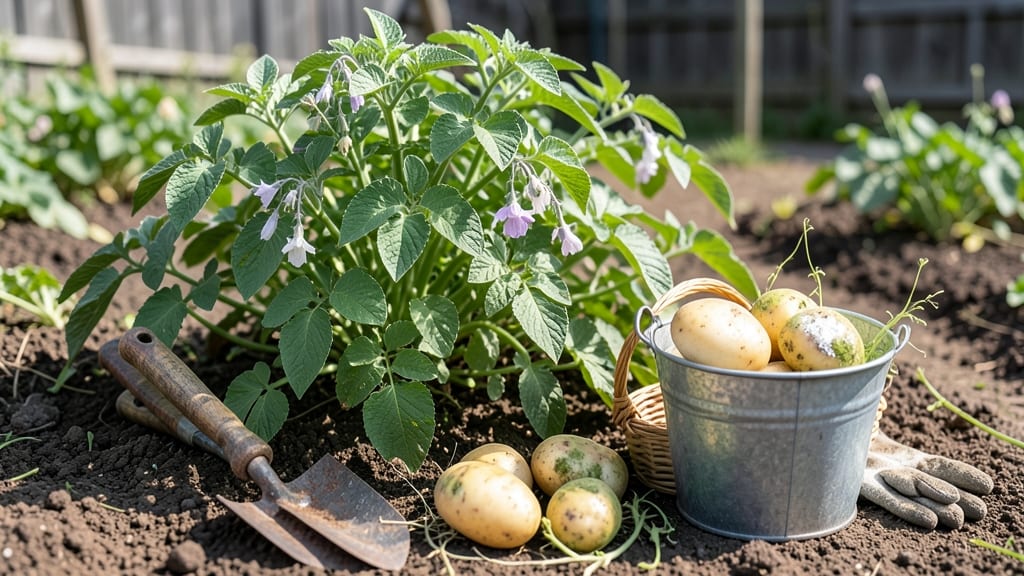
Your potatoes are still good to eat if they remain firm, show no soft spots, and have no mold, sprouts, or unpleasant smells. Proper storage in a cool, dark, and well-ventilated space helps preserve their quality for months.
Potatoes stay fresh longest when stored correctly, but even slight changes in texture or smell signal trouble. 🌱 The key is checking for physical signs like wrinkled skin (normal) versus sunken spots (spoilage) and green patches (toxic solanine buildup).
I always test by pressing a fingernail into the surface—if it leaves a dent, toss them. For storage, avoid plastic bags (traps moisture) and opt for breathable containers or paper sacks in a 50-60°F environment, like a root cellar or pantry.
Did you know potatoes actually convert starch to sugar when refrigerated? That's why they taste sweeter after cold storage—a common mistake that ruins crispy fries. 🥔 For best results, keep them away from onions (ethylene gas speeds spoilage) and check monthly for signs of deterioration.
💡 In This Article
- How to Test Potato Freshness Before Cooking
- Best Storage Methods to Keep Potatoes Fresh Longer
How to test potato freshness before cooking
Potatoes spoil primarily through microbial growth and enzymatic breakdown, which cause visible and tactile changes. When potatoes sit too long, enzymes like polyphenol oxidase trigger oxidation, creating those unsightly brown spots inside.
Meanwhile, moisture loss causes shriveling—normal for stored potatoes—but excessive wrinkling or softness signals cellular damage from bacteria or fungi.
The key visual cues are green patches (a sign of solanine toxin buildup) and mold (fuzzy white, black, or green spots). Smell is equally important: fresh potatoes have a mild, earthy aroma, while spoiled ones emit a sour, musty, or fermented odor.
For tactile testing, press your fingernail into the skin—if it leaves a dent, the potato's internal structure is compromised. 🔥 Even firm potatoes can hide problems if they've been refrigerated (which converts starch to sugar, altering texture).
Color variations matter too. Bright green skin means high solanine levels (toxic), while yellowed or sprouted eyes indicate aging but aren't always dangerous unless the sprouts are long and woody.
The starch-to-sugar conversion in cold storage also makes potatoes taste sweeter and cook differently—a common reason home cooks accidentally ruin crispy dishes. Always check for these signs before peeling or cooking.
Temperature history affects freshness dramatically. Potatoes stored below 45°F develop increased sugar content, while those kept above 70°F may sprout faster. The ideal storage zone is 45-55°F with 85-90% humidity. Humidity control prevents moisture loss, while ventilation reduces ethylene gas buildup (which accelerates spoilage).
A paper bag with air holes works better than plastic—condensation inside creates the perfect breeding ground for mold.
For a deeper test, cut into the potato: the flesh should be uniform in color, not discolored or watery. If you see dark streaks or slime, discard immediately. Even if external signs are minor, internal spoilage means the potato will turn mushy when cooked.
This is why professional chefs always test a small sample before committing to a full batch.
Seasonal factors play a role too. Newly harvested potatoes (like those from fall harvests) have higher moisture content and spoil faster than properly cured ones. Curing—storing at 55-60°F for 1-2 weeks—helps thicken skins and extend shelf life by up to 6 months**.