
Planting
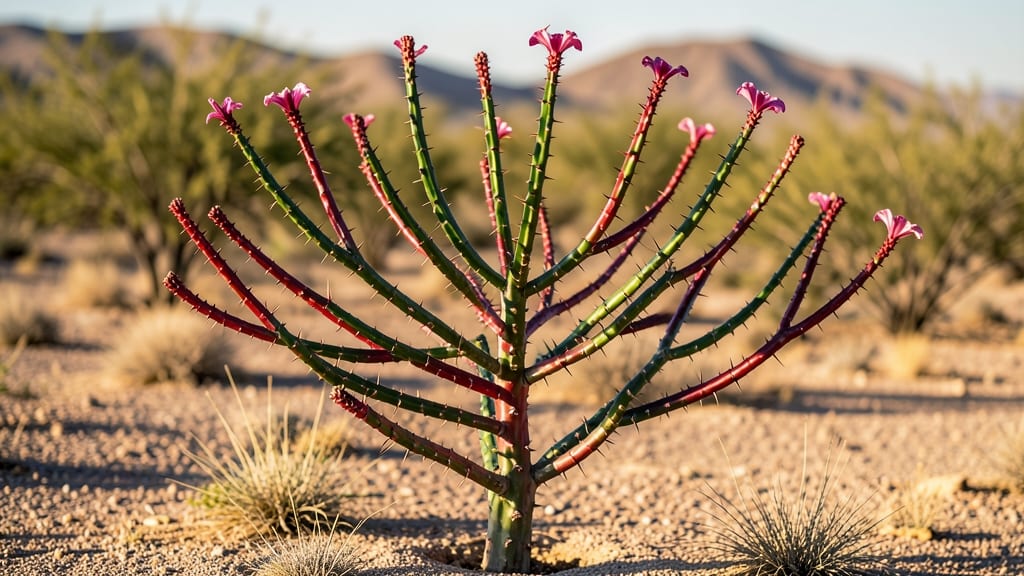
Growing Arizona ocotillo plants starts with embracing their desert roots—these striking, drought-proof stems thrive where most plants wilt. 🌵 I’ve watched mine stand tall through 110°F summers, their slender branches reaching like skeletal fingers toward the sky.
The key isn’t coddling them; it’s letting them do what they evolved to do: survive and even flourish in the harshest conditions. You’ll need well-draining soil—think rocky, sandy, or gravelly mixes—and minimal watering once established. These plants despise soggy roots, so amend heavy clay with coarse sand or crushed gravel.
Sunlight? The more, the better. Ocotillos crave full, unfiltered sun, and their vibrant green leaves only appear after heavy rains, making them a dramatic desert accent. By late spring, you’ll see dramatic spikes of bright red flowers that hummingbirds adore, followed by clusters of small, edible fruit.
The plant’s skeletal beauty transforms with seasonal rains, offering a living art piece that requires almost no maintenance beyond occasional pruning to shape its wild form. Perfect for xeriscapes, rock gardens, or as a focal point in low-water landscapes.
Their striking silhouette and resilience make them a standout choice for Arizona gardeners who want drama without the fuss.
📚 In This Guide
- What you need
- Instructions
- Tips and common mistakes
- Wrapping up and next steps
What you need
- ● Ocotillo plant – 1 young cutting or nursery-grown plant (3–6 feet tall). Pro tip: 🌱 Choose a plant with multiple stems for a bushier look!
- ● Well-draining cactus/succulent soil mix – 5 gallons (or enough to fill your pot/planting hole). Mix in 20–30% perlite or pumice for extra drainage.
- ● Gravel or crushed rock – 1–2 inches (for the bottom of pots or planting holes). 💡 Prevents root rot by improving airflow!
- ● Organic fertilizer – 10-10-10 or a slow-release cactus fertilizer (1 tbsp per plant). Apply sparingly—ocotillos thrive in lean soil!
- ● Garden trowel or shovel – For planting and soil prep.
- ○ Gloves – Optional but recommended (ocotillo spines can be sharp!).
- ● Watering can or hose with a gentle spray nozzle – Avoid overwatering!
- ● Measuring tape or ruler – To check soil depth and spacing.
- ○ Drip irrigation system or soaker hose (optional) – For low-maintenance watering in extreme heat.
- ● Full sun location – At least 6+ hours of direct sunlight daily (ocotillos love the heat!).
- ● Drought-tolerant zone – USDA Zones 9–11 (or containers for cooler climates).
- ● Patience – Ocotillos grow slowly but reward you with dramatic seasonal blooms!
Step-by-step guide to growing Arizona ocotillo in extreme heat
This desert beauty needs minimal care but rewards you with striking, drought-resistant stems—here's how to grow it right.
🌱 Step 1: Select the Perfect Planting Site
Ocotillo thrives in full sun—at least 6 hours daily—so choose a spot with maximum exposure. My desert garden works best in areas where afternoon shade is minimal, as ocotillo handles intense midday sun better than many desert plants. Avoid low spots where cold air collects, as ocotillo can't tolerate freezing temperatures.
Test your site by observing how dry it stays. Ocotillo roots need to dry out between waterings, so well-draining soil is critical. If your soil feels heavy or sticky when wet, amend it with 3-4 inches of coarse sand or gravel mixed into the top 12 inches of soil. This mimics its natural rocky desert habitat.
☀︐ Step 2: Plant at the Right Time and Depth
Plant ocotillo in early spring after the last frost date in your area. The plant establishes roots quickly in warm soil but struggles when planted in hot summer conditions. Dig a hole twice as wide as the root ball but only as deep as the container—planting too deep suffocates the roots.
Loosen the root ball gently if it's tightly packed, then place the plant in the hole so the top of the root ball sits 1 inch above soil level. Backfill with native soil mixed with 20% perlite to improve drainage. Water deeply right after planting to settle the soil, but avoid creating a muddy mess that can smother roots.
💧 Step 3: Water Sparingly During Establishment
For the first 2-3 weeks, water deeply every 3-4 days until new growth appears. You'll know it's time to reduce watering when you see new green stems emerging—this signals the roots have taken hold. After that, ocotillo is drought-tolerant and only needs water once every 2-3 weeks during extreme heat.
Water at the base of the plant, not overhead, to prevent fungal issues. Let the soil dry out completely between waterings—ocotillo roots rot easily in soggy conditions. In established plants, you'll rarely need to water unless there's a prolonged drought or heatwave over 105°F.
✂️ Step 4: Prune for Shape and Health
Prune ocotillo in late winter or early spring before new growth begins. Remove any dead, damaged, or crossing stems at the base with clean, sharp pruners. I like to shape mine into a loose, natural form rather than a tight hedge—ocotillo looks best when it has an airy, wild appearance.
Never prune more than one-third of the plant at a time, as this stresses the plant. After pruning, water lightly to help the plant recover. Avoid heavy pruning in summer, as the plant needs all its energy to handle extreme heat rather than regrowing lost foliage.
🪴 Step 5: Protect from Cold and Pests
Ocotillo is hardy to USDA Zone 9b, so if you live in a colder climate, plant it in a large container and bring it indoors during winter. In its natural range, ocotillo sheds all its leaves and stems in cold weather, then regrows them in spring—so don’t panic if yours looks bare in winter.
Watch for aphids or scale insects, which occasionally attack ocotillo. If you spot them, spray the plant with a soapy water solution (1 tablespoon mild dish soap per gallon of water) to dislodge them. Ocotillo rarely needs fertilizer, but if growth is slow, apply a balanced, slow-release fertilizer in early spring at half the recommended strength.
Tips & tricks for perfect Arizona ocotillo plant growth
Between us, ocotillo might seem like a no-fuss plant, but these little details make all the difference in getting that dramatic desert silhouette.
Sunlight Strategy: While ocotillo loves full sun, I've learned the hard way that morning sun with afternoon shade works better in areas where temperatures hit 110°F+. The intense midday sun can scorch new growth if the plant isn't fully established. If you notice leaves curling or turning yellow, move it slightly to receive more morning sun and afternoon shade during extreme heatwaves.
Soil Science: That 3-4 inches of gravel isn't just decoration—it's the secret to happy roots. I like to mix in some small river rocks mixed with the sand for better drainage. This mimics the ocotillo's natural rocky habitat and prevents water from pooling around the roots, which is crucial since these plants can't handle soggy conditions. Think of it as creating a mini desert landscape right in your yard.
Water Wisdom: The 2-3 week watering schedule during establishment is non-negotiable, but here's what nobody tells you—watch the soil, not the calendar. Stick your finger about an inch into the soil. If it's dry, water deeply; if it's still damp, wait. Overwatering is the #1 killer of young ocotillo plants. I've seen people drown these plants by following a strict schedule without checking moisture levels.
Pruning Pro Tip: When shaping your ocotillo in late winter, cut just above a leaf node where new growth will emerge. I've made the mistake of cutting too close to the base, which can leave ugly scars. Also, save any pruned stems—they'll root easily in water if you want to propagate new plants. This is how I've expanded my collection from one plant to five over the years!
Pro Tips for Arizona Ocotillo Plant
- Between us, ocotillo might seem like a no-fuss plant, but these little details make all the difference in getting tha...
- Sunlight Strategy: While ocotillo loves full sun, I've learned the hard way that morning sun with afternoon shade wor...
- Soil Science: That 3-4 inches of gravel isn't just decoration—it's the secret to happy roots. I like to mix in some s...
Frequently asked questions
Got questions about growing Arizona ocotillo plants? You’re not alone! Here are some of the most common queries—and their answers—to help you cultivate these striking, drought-resistant beauties with confidence.
How hot can ocotillo plants tolerate?
Arizona ocotillo plants are built for extreme heat—they thrive in temperatures up to 120°F+ (49°C+) with ease! Native to the Sonoran Desert, these plants love full sun and minimal water, making them perfect for Arizona’s scorching summers. Just avoid overwatering; they’re adapted to survive on rainfall alone.
When is the best time to plant ocotillo in Arizona?
The ideal window is late winter to early spring (February–March) or fall (September–October). Planting in cooler months gives roots time to establish before summer’s brutal heat. Avoid planting during peak summer—young plants may struggle with transplant shock in 100°F+ temps. Pro tip: Water deeply after planting, but reduce frequency once established!
How often should I water an ocotillo plant?
Once mature, ocotillo plants are extremely low-maintenance—they can survive on natural rainfall alone! For newly planted stems, water every 2–3 weeks (or when soil is bone-dry). After the first year, cut back to monthly or less. Overwatering is the #1 killer—these plants store water in their thick stems like cacti!
Can I grow ocotillo from cuttings, or do I need seeds?
Great news: Ocotillo grows easily from cuttings! Simply snip a 3–4 foot stem (use sterilized pruners), let it dry for 1–2 days to callous, then plant it 6–12 inches deep in well-draining soil. Roots form quickly in warm conditions. Seeds are an option but take much longer to sprout—cuttings are the fast, foolproof method!
Are ocotillo plants toxic to pets or wildlife?
Rest easy—ocotillo is non-toxic to dogs, cats, and wildlife! While the sharp spines might deter critters, the plant itself isn’t harmful if ingested. However, always supervise pets around new plants, as they might try to chew the stems out of curiosity. Plus, the thorns make it a natural fence for small animals!
How do I prune ocotillo stems without killing the plant?
Pruning is easy and encouraged! Cut stems back in late winter to shape the plant or remove dead/damaged branches. Never trim more than 1/3 of the plant at once. The plant will regrow quickly—just avoid heavy pruning in summer, as it stresses the plant. Fun fact: Older stems can be cut at the base and replanted as new plants!
Wrapping up and next steps
The Arizona ocotillo plant is a true desert survivor—resilient, striking, and perfect for transforming your yard into a drought-resistant oasis. 🌵 With its minimal care needs and stunning vertical form, this plant proves that beauty and sustainability go hand in hand.
Whether you're a seasoned gardener or a beginner, embracing the ocotillo is a rewarding step toward low-maintenance landscaping.
Ready to bring this desert gem into your space? Start by gathering your supplies and follow the simple steps to plant your ocotillo today! Your future self—and the local wildlife—will thank you. 🌟