
Planting
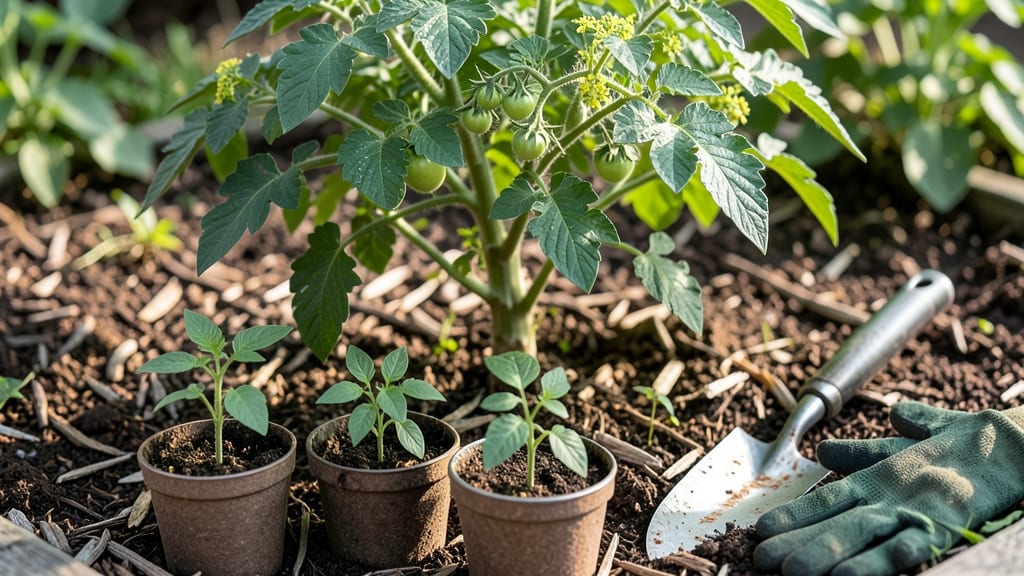
Knowing the average last frost date in Zone 7A helps you time warm-season planting between April 15 and May 1, with adjustments possible for local microclimates that may shift this window by 1–2 weeks. These dates mark when frost risk drops enough to safely plant heat-loving crops.
Zone 7A's frost dates vary by location—think Appalachian valleys versus Piedmont plains—because elevation, proximity to water, and urban heat pockets all play roles. 🌱 For example, higher elevations might see frost linger until late May, while cities could experience earlier warm-ups.
Historical USDA data shows these dates shift slightly each decade due to climate trends, so checking local records is key. El Niño winters often delay spring frost, while La Niña can bring earlier cold snaps.
This timing isn't just about warm crops like tomatoes or peppers—it also dictates when to start cool-season veggies indoors. Many gardeners use the last frost date to calculate backward for succession planting, ensuring continuous harvests throughout summer.
For instance, if your area's frost date is April 22, you'd plant lettuce in early March to avoid bolting in the heat.
Pro tip: Monitor your local weather service's frost predictions each spring, as they often refine these dates based on real-time conditions. A sudden cold snap in late April can still damage tender seedlings, so having backup row covers ready is smart gardening practice.
💡 In This Article
- How Climate Factors Affect Zone 7A Frost Dates
- Planting Schedule for Zone 7A Gardens by Frost-Free Window
How climate factors affect zone 7A frost dates
Zone 7A's frost timing is influenced by three key climate factors: elevation, latitude, and local microclimates. Higher elevations—like those found in the Appalachian Mountains—experience frost later due to cooler air settling in valleys.
For example, Asheville, NC (elevation 2,100 ft) often sees its last frost around May 10, while lower Piedmont cities like Raleigh (elevation 300 ft) average April 15. This elevation difference creates a 3-4 week shift in frost dates across just 100 miles.
Urban heat islands also play a role, with cities like Atlanta holding onto warmth longer. Concrete and asphalt absorb heat during the day and radiate it at night, delaying frost formation. Studies show urban areas can experience frost dates 5-7 days earlier than rural zones just a few miles away.
Meanwhile, proximity to large bodies of water—like the Chesapeake Bay—creates moderating effects, keeping coastal areas slightly warmer and frost-free earlier than inland regions.
The USDA's historical data reveals another critical trend: frost dates have shifted 1-2 weeks earlier over the past 30 years in Zone 7A due to climate change. For instance, Washington, D.C.'s last frost date has moved from April 22 in 1990 to April 12 today.
This warming trend means gardeners must verify local records annually rather than relying on outdated zone maps.
El Niño and La Niña cycles add further complexity. El Niño winters often bring milder springs, potentially pushing frost dates back to May 15, while La Niña can trigger earlier cold snaps, bringing frost as late as May 10.
These patterns are particularly noticeable in the southeastern portion of Zone 7A, where moisture levels fluctuate dramatically between cycles.
To account for these variables, gardeners should observe their specific microclimate for 3-5 years to identify patterns. For example, a south-facing slope may warm up 2-3 days earlier than the surrounding area, creating a localized frost-free window.
Planting heat-sensitive crops like basil or cucumbers in these microclimates can extend your growing season by 10-14 days.
For precise planning, consult your local cooperative extension service—they maintain real-time frost data that accounts for all these factors. Their records often include 30-year averages with 10-year trends, giving you the most accurate picture of your specific Zone 7A location's frost timing. 🌡️