
Planting
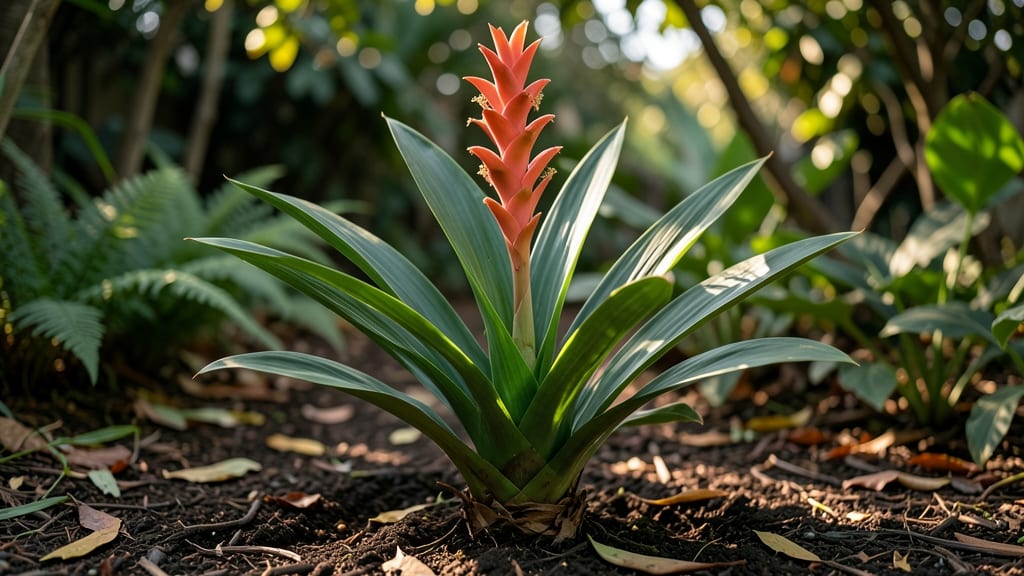
Growing the awapuhi shampoo ginger plant means fast tropical drama with almost no effort. 🌿 That first year, you'll watch it shoot up 6-8 feet tall, its broad, glossy leaves smelling like a Hawaiian rainforest.
I planted mine last spring, and by summer, it was already sending out those signature plumes—no fuss, no waiting.
The secret starts with soil: rich, well-draining, and slightly acidic (think 6.0-6.5 pH). Mix in compost and mulch to keep roots cool—this plant hates soggy feet.
Place it where it gets morning sun and afternoon shade (full sun scorches the leaves in hot climates), and water deeply but let the top inch dry between soakings. Overwatering is the #1 killer, but once established, it's shockingly drought-tolerant.
You'll harvest those fragrant flower spikes year after year, and the roots make natural shampoo (hence the name!). The plant also repels pests naturally—deer, slugs, and even some insects stay away from its strong scent.
Just watch for fungal spots in humid climates (prune for airflow) and mealybugs (spray with neem oil if they appear).
Works as a dramatic focal point, a privacy screen, or even in large containers. Here's how to keep it thriving in your zone—whether you're in Hawaii or just dreaming of tropical vibes in your garden.
📚 In This Guide
- What you need
- Instructions
- Tips and common mistakes
- Wrapping up and next steps
What you need
- ● Awapuhi shampoo ginger rhizome or seeds: 1–3 healthy rhizomes (3–5 inches long, with visible buds)
- ● OR 5–10 fresh seeds (if starting from scratch)
- ● Well-draining potting mix or garden soil: 5–10 gallons of organic, sandy loam (or a blend of coconut coir + perlite for pots)
- ● pH 5.5–6.5 (slightly acidic)
- ● Container or garden bed: For pots: 1–2 large containers (12+ inches deep, with drainage holes)
- ● For in-ground planting: Full sun to partial shade (6+ hours of sunlight daily)
- ● Fertilizer: Balanced organic fertilizer (10-10-10 or composted manure)
- ● Slow-release granules or liquid seaweed fertilizer
- ○ Gloves (optional but recommended—rhizomes can be prickly!)
- ● Trowel or garden fork (for digging)
- ● Watering can or hose (with a gentle spray nozzle)
- ● Mulch (straw or wood chips to retain moisture)
- ● Pruning shears (for trimming dead leaves or overgrowth)
- ● Spray bottle (for misting seedlings if starting from seed)
- ● Humidity dome or plastic wrap (for seed-starting)
- ● Slow-release fertilizer tabs (for potted plants)
- ● Compost tea (for a nutrient boost)
- ● Pest control (neem oil or insecticidal soap if aphids appear)
Step-by-Step instructions for growing awapuhi shampoo ginger plant
This fragrant, fast-growing beauty thrives with the right care—here’s how to grow it successfully.
🌱 Step 1: Choose the Perfect Planting Spot
Awapuhi shampoo ginger loves partial shade to full sun—think 4-6 hours of morning sunlight with afternoon shade in hotter climates. I always check the microclimate of my garden first: the north side of my house gets morning sun but stays cooler in the afternoon, perfect for this plant. Avoid deep shade, or the leaves will grow sparse and lose their signature fragrance.
This plant thrives in well-draining, rich soil with a slightly acidic to neutral pH (6.1-7.5). If your soil is heavy clay, mix in 2-3 inches of compost or organic matter to improve drainage. The roots spread aggressively, so give it 3-4 feet of space between plants to prevent overcrowding. Here’s the thing—if you’re in a container, use a pot that’s at least 12 inches deep with drainage holes.
🪴 Step 2: Plant the Rhizome Correctly
Awapuhi grows from rhizomes (thick, horizontal roots), not seeds. Plant them 2-3 inches deep and 6-8 inches apart in the spring after the last frost. The top of the rhizome should peek just above the soil line—burying it too deep will rot it, while leaving it exposed will dry it out. I like to dig a shallow trench, place the rhizome horizontally, and cover it lightly with soil.
Water thoroughly right after planting to settle the soil around the rhizome. You’ll see new shoots emerge within 2-4 weeks—that’s your first sign everything’s working. If you’re planting in containers, use a fast-draining potting mix with perlite or sand to prevent soggy roots. Real talk: I’ve killed a few by overwatering at this stage, so let the soil dry slightly between waterings once established.
💧 Step 3: Water and Fertilize for Fast Growth
Awapuhi shampoo ginger is drought-tolerant once established, but young plants need consistent moisture. Water 1-2 inches per week, more in extreme heat. You’ll know it’s time to water when the top 1-2 inches of soil feel dry to the touch. Overwatering is the biggest mistake—yellowing leaves or mushy stems mean you’re drowning the roots.
Feed with a balanced, water-soluble fertilizer (like 10-10-10) every 4-6 weeks during the growing season (spring through fall). I also top-dress with compost in early spring to boost nutrients naturally. The faster the leaves grow, the stronger the fragrance becomes—so don’t skimp on fertilizer! Just avoid high-nitrogen blends, which promote leafy growth at the expense of root development.
✂️ Step 4: Prune and Divide for Long-Term Health
Prune leggy or yellowing leaves in early spring to encourage bushier growth. Use clean, sharp shears to cut back stems to 1-2 inches above the ground—this redirects energy to new shoots. The plant’s natural fragrance comes from the leaves, so avoid heavy pruning in fall if you want to harvest leaves for soap-making or potpourri.
Every 2-3 years, divide mature clumps in early spring. Dig up the rhizome, separate the sections with a knife, and replant the healthiest pieces. This keeps the plant vigorous and prevents overcrowding. I’ve found that dividing also jumpstarts growth—you’ll see fresh shoots within 10-14 days of replanting. Just be gentle with the roots; they’re fibrous and break easily.
☀️ Step 5: Protect and Maintain Through Seasons
Awapuhi is hardy in USDA zones 9-11, but it’s not frost-tolerant. In cooler climates, dig up rhizomes in fall, store them in dry peat moss in a cool, dark place, and replant in spring. Mulch heavily in winter to insulate roots if you’re keeping it in the ground. The leaves will yellow and die back in cold weather, but the rhizome stays alive.
Watch for pests like aphids or spider mites, which love the plant’s sap. Spray with neem oil or insecticidal soap if you spot them early. I’ve also seen slugs munch on young leaves—set out beer traps or diatomaceous earth to keep them away. With the right care, your awapuhi will reward you with lush, fragrant foliage for years, making it a standout in any tropical garden.
Tips & tricks for perfect awapuhi shampoo ginger plant growth
Here's what nobody tells you about growing this fragrant tropical beauty—these tricks will help you avoid the most common pitfalls.
Sunlight Strategy: The 4-6 hours of morning sunlight mentioned in Step 1 is non-negotiable for that signature fragrance. I've found that using a shade cloth (30-50%) during the hottest afternoon hours prevents leaf scorch while still giving the plant enough light. If you're in a particularly hot climate, consider planting near a north-facing wall that provides natural shade during peak sun hours.
Rhizome Planting Hack: When planting those 2-3 inch deep rhizomes in Step 2, I like to make a small mound of soil first and place the rhizome on top before covering it. This ensures the top stays just above soil level without needing to measure precisely. You'll know you've got it right when the rhizome's "eyes" (buds) are facing upward—this is where your new shoots will emerge.
Watering Wisdom: The 1-2 inches per week guideline in Step 3 works perfectly in most climates, but I've learned to adjust based on soil type. Sandy soils dry out faster, so you might need to water every 5-6 days, while clay soils can hold moisture longer. Always check that top 1-2 inches first—this is your best indicator of when it's time to water. Overwatering is the #1 killer, so if you notice yellowing leaves or stems that feel mushy, cut back immediately.
Fertilizer Timing: That 4-6 week fertilizer schedule in Step 3 is ideal, but I've found the first application after the 2-4 week shoot emergence is critical. This gives your young plant the boost it needs to establish strong roots. For an extra fragrance kick, I switch to a low-nitrogen, high-phosphorus fertilizer (like 5-10-10) during the flowering season—this promotes more robust foliage production.
Pro Tips for Awapuhi Shampoo Ginger Plant
- Here's what nobody tells you about growing this fragrant tropical beauty—these tricks will help you avoid the most co...
- Sunlight Strategy: The 4-6 hours of morning sunlight mentioned in Step 1 is non-negotiable for that signature fragran...
- Rhizome Planting Hack: When planting those 2-3 inch deep rhizomes in Step 2, I like to make a small mound of soil fir...
Frequently asked questions
about the awapuhi shampoo ginger plant—here’s what you need to know before diving in!What’s the best time of year to plant awapuhi shampoo ginger?
The ideal time to plant awapuhi shampoo ginger is in spring or early summer, when temperatures are warm (65–85°F) and frost isn’t a concern. This gives the plant plenty of time to establish roots before cooler months. If you’re in a frost-free zone, you can plant year-round!
How often should I water my awapuhi shampoo ginger plant?
Water your awapuhi shampoo ginger plant 1–2 times per week, ensuring the soil stays moist but not soggy. Once established, it’s drought-tolerant but thrives with consistent moisture—especially during hot, dry spells. Mulching helps retain moisture and keeps roots cool.
Can I grow awapuhi shampoo ginger in containers?
Yes! This plant does well in containers at least 12–18 inches deep with drainage holes. Use a well-draining potting mix and place it in a spot with bright, indirect light. Just be mindful that container-grown plants may need more frequent watering than those in the ground.
What pests or diseases should I watch out for?
Awapuhi shampoo ginger is generally pest-resistant, but keep an eye out for aphids, mealybugs, or scale insects—especially on new growth. Overwatering can lead to root rot, so ensure proper drainage. If you spot pests, wipe leaves with soapy water or use neem oil for a natural remedy.
How do I propagate awapuhi shampoo ginger?
Propagation is easy! Divide mature clumps in spring or early summer, separating the rhizomes (underground stems) with at least one "eye" (growth node) per section. Replant the divisions 6–12 inches apart, and they’ll establish quickly. You can also grow from seed, though it may take longer for flowers to appear.
Wrapping up and next steps
Ready to transform your garden—or even your DIY shampoo bar—with the fragrant, fast-growing awapuhi ginger plant? This versatile tropical beauty isn’t just a showstopper; it’s a powerhouse of aromatic joy and practicality.
Whether you’re cultivating it for its lush foliage, soothing scent, or natural shampoo benefits, the awapuhi’s low-maintenance charm makes it a winner for any green thumb.
🌱 Next step: Grab your gloves, pick a sunny spot, and get planting! Start small—even a single rhizome can multiply into a thriving patch. Share your awapuhi adventures with us @YourGardenCommunity—we’d love to see your tropical oasis bloom! 🌿