
Planting
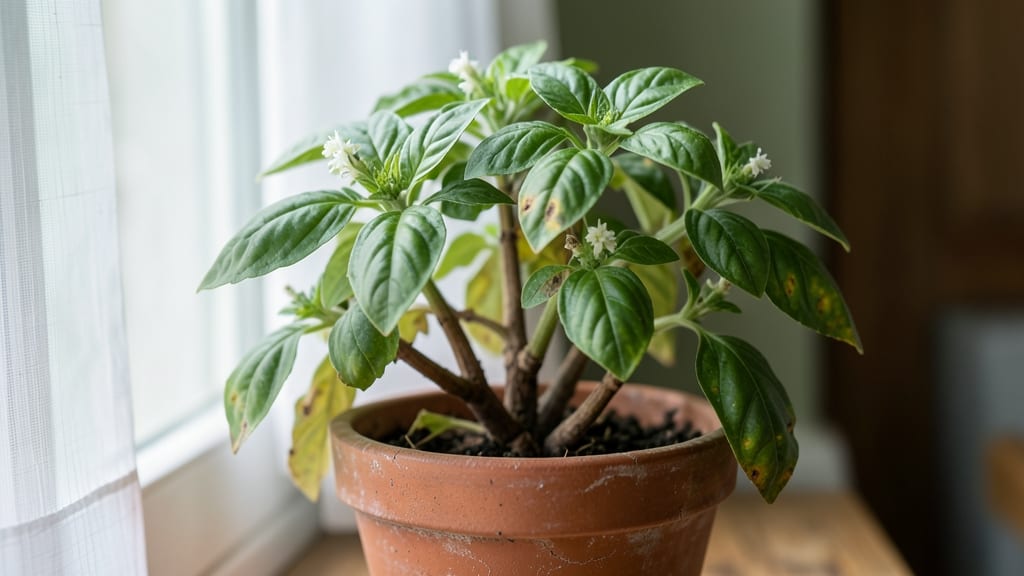
Brown stems on your basil mean it’s fighting for its life—but there’s a quick fix. 🌱 I’ve nursed back plants with crispy stems using nothing but vinegar and proper care, and I’ll show you exactly how to do it without losing your whole harvest.
The culprits are usually overwatering (rotting roots), underwatering (stressed stems), or fungal diseases like Fusarium wilt. Pests and nutrient deficiencies can also turn stems brown, but the good news is that most cases respond fast to simple adjustments. Start by checking the soil—it should feel damp but not soggy.
Here’s the game-changer: a 1:10 vinegar-water spray on affected stems (test a small area first). Prune back any mushy or blackened growth, improve drainage, and water only when the top inch of soil feels dry. Within 3-5 days, you’ll see fresh green growth pushing through.
For severe cases, isolate the plant—some fungal infections spread like wildfire. If the whole plant is crispy and limp, it’s time to pull it and compost it (don’t risk contaminating your garden). The key is acting fast before the problem spreads to your other herbs.
Root Causes Of Stem Discoloration
When your basil plant’s stems turn brown, it’s usually a cry for help from the roots or environment. Understanding the why behind the browning is the first step to saving your plant.
Below, we break down the most common culprits—each with a clear scientific explanation and actionable insights to address them.
Basil thrives in moist but well-draining soil. When roots sit in soggy conditions, they struggle to absorb oxygen, leading to anaerobic stress. This triggers ethylene gas production, which causes stems to darken and weaken.
- Signs: Brown, mushy stems at the base; yellowing leaves; soil that stays damp for days.
- Why it happens:
- Compacted or heavy clay soil traps excess water, suffocating roots.
- Overzealous watering (especially without checking soil moisture) drowns roots.
- Lack of drainage holes in pots forces water to pool.
- Quick fix: Let the top 1–2 inches of soil dry out before watering again. Repot in a container with drainage holes and use a lightweight potting mix (like 60% peat/coir + 30% perlite + 10% compost).
Basil is drought-tolerant but not drought-loving. When stems brown due to dehydration, it’s often a sign of osmotic stress—the plant’s cells lose turgor pressure as water reserves dwindle. Heatwaves make this worse by increasing evaporation.
- Signs: Crispy, brown edges on stems; wilting leaves that don’t rebound when watered; dry, cracked soil.
- Why it happens:
- Inconsistent watering (e.g., forgetting for a week) disrupts the plant’s moisture balance.
- High temperatures (>90°F/32°C) cause rapid transpiration, outpacing root uptake.
- Small pots dry out faster, especially in sunny windows.
- Quick fix:
- Water deeply until it drains from the bottom, then wait until the top inch of soil feels dry.
- Move the plant to partial shade during peak afternoon sun.
- Mulch with straw or coconut coir to retain moisture.
Brown, slimy, or sunken stems are red flags for Pythium, Fusarium, or bacterial wilt. These pathogens thrive in wet conditions, clogging the plant’s vascular system and blocking water/nutrient flow.
- Signs:
- Brown, water-soaked patches on stems (fungal).
- Yellowing leaves that wilt even when watered (bacterial).
- Mushy stems that collapse easily.
- Why it happens:
- Overhead watering keeps foliage damp, creating a breeding ground for spores.
- Contaminated soil or tools spread pathogens.
- Poor air circulation (e.g., crowded pots) traps humidity.
- Quick fix:
- Prune infected stems below the browning with sterilized scissors.
- Apply a 1:10 vinegar-water spray (or neem oil) to disinfect leaves.
- Repot in fresh, sterile soil with added perlite for drainage.
Basil is a tender annual—it shuts down when exposed to temps below 50°F (10°C). Cold stress causes cell membranes to rupture, leading to brown, leathery stems as the plant’s defenses fail.
- Signs: Brown, brittle stems; blackened leaf edges; stunted growth after a cold snap.
- Why it happens:
- Drafts near doors/windows expose roots to sudden temperature drops.
- Placing basil near AC vents or in unheated garages.
- Overnight temps dip below 50°F (10°C).
- Quick fix:
- Move the plant to a warm, sunny spot (e.g., south-facing window or grow light).
- Use a heating mat (set to 65°F/18°C) for potted basil in winter.
- Avoid fertilizing until new growth appears—cold-stressed plants can’t absorb nutrients.
Brown stems can also signal calcium or magnesium deficiencies, or an excess of salts from fertilizers. These disrupt the plant’s structural integrity, leading to weak, discolored stems.
- Signs:
- Brown, crinkled stems (calcium deficiency).
- Yellowing between leaf veins (magnesium deficiency).
- White crust on soil surface (fertilizer salt buildup).
- Why it happens:
- Hard water (high in calcium) can lock out magnesium.
- Over-fertilizing (especially with synthetic NPK) burns roots.
- Poor soil structure limits root access to nutrients.
- Quick fix:
- Flush the soil with water to leach excess salts, then repot in fresh mix.
- Add Epsom salt (1 tsp/gallon of water) for magnesium.
- Use chelated calcium (like crushed eggshells) if stems are brittle.
Pro Tip: 💡 Before diagnosing, check the roots—healthy roots should be white or pale yellow. If they’re black/mushy, it’s a watering or fungal issue. If they’re dry and shriveled, it’s underwatering.
Revive Your Basil Quickly
Brown stems on your basil plant can feel like a heart-stopping moment, but don’t panic—most issues are fixable with the right care! Below, we’ve mapped out practical, step-by-step solutions tailored to the root cause of your basil’s woes.
Whether it’s water stress, pests, or disease, these fixes will have your plant thriving again in no time. Plus, we’ll share prevention tips to keep those stems lush and green for the long haul.
---
If your basil’s stems are brown and mushy (a sign of rot) or crispy and dry (a sign of dehydration), the issue is almost always water-related.
#### 🔥 For Overwatered Basil (Mushy, Dark Brown Stems) 1. Stop Watering Immediately 🚰 - Let the soil dry out completely before watering again. Stick your finger 1-2 inches deep—if it’s damp, wait.
2. Repot in Fresh, Well-Draining Soil 🌱 - Gently remove the plant from its pot and trim away any blackened or mushy roots with clean scissors. - Use a light, airy potting mix (add perlite or sand for better drainage).
3. Ensure Proper Drainage 🏗️ - If the pot lacks drainage holes, drill them or switch to a new container. - Place a saucer under the pot to catch excess water (but empty it after 10 minutes).
4. Adjust Your Watering Routine ⏰ - Water only when the top inch of soil is dry (usually every 3-4 days in warm weather). - Morning watering is best—it gives excess moisture time to evaporate.
💡 Pro Tip: If your plant is severely rotted, propagate healthy stems in water to grow new plants while the old one recovers.
#### 🍳 For Underwatered Basil (Crispy, Light Brown Stems) 1. Give It a Deep Watering 💦 - Soak the soil until water runs out the drainage holes. Repeat every 2-3 days in hot weather.
2. Mist the Leaves 🌿 - Basil loves humidity! Use a spray bottle to mist leaves daily (especially in dry climates).
3. Move to a Shadier Spot (Temporarily) ☀️ - If stems are crunchy and wilting, direct sun may be stressing it. Shift to partial shade for a week.
4. Check for Root Bound Issues 🌱 - If roots are circling the pot, repot into a slightly larger container with fresh soil.
💡 Pro Tip: Use a moisture meter to avoid guesswork—basil prefers soil that’s moist but not soggy.
---
If brown stems appear speckled, sticky, or covered in webbing, pests or disease are likely the culprits.
#### 👨🍳 For Spider Mites or Aphids (Sticky Residue, Webbing) 1. Isolate the Plant 🛑 - Move it away from other plants to prevent spreading.
2. Blast Off Pests with Water 💦 - Spray leaves forcefully with water to knock off mites/aphids.
3. Apply Neem Oil or Insecticidal Soap 🌿 - Mix 1 tsp neem oil + 1 tsp mild soap per quart of water. Spray every 3-4 days until pests vanish.
4. Encourage Beneficial Insects 🐞 - Release ladybugs or lacewings near your basil—they eat pests naturally!
#### 🔪 For Fungal Issues (Powdery Spots, Black Streaks) 1. Prune Infected Stems ✂️ - Cut off any brown or spotted stems with sterilized scissors (dip in rubbing alcohol).
2. Improve Air Circulation 🌬️ - Space plants 6-12 inches apart and avoid overcrowding.
3. Spray with Baking Soda Solution 🧂 - Mix 1 tsp baking soda + 1 quart water + a drop of dish soap. Spray once a week for 2 weeks.
4. Avoid Wetting Leaves When Watering 🚫💦 - Water at the base (not overhead) to prevent fungal spores from thriving.
💡 Pro Tip: Copper fungicide (like Bonide) is a strong last-resort treatment for stubborn fungal infections.
---
Brown stems can also stem from temperature swings, nutrient deficiencies, or poor light.
#### 🌡️ For Cold or Heat Stress - Move basil indoors if temps drop below 50°F (10°C)—it’s not frost-hardy! - Provide shade cloth (30-50%) if temps exceed 90°F (32°C). - Use a heat mat in winter if growing indoors near a cold window.
#### 💪 For Nutrient Deficiencies (Yellowing Between Veins) 1. Fertilize Lightly 🌱 - Use a balanced liquid fertilizer (10-10-10) diluted to half-strength every 4-6 weeks.
2. Boost Magnesium with Epsom Salt 🧂 - Mix 1 tbsp Epsom salt per gallon of water and spray on leaves once a month.
3. Check pH Levels 📊 - Basil prefers slightly acidic soil (6.0-7.0 pH). Test with a kit and amend if needed.
💡 Pro Tip: Compost tea is a gentle, organic way to replenish nutrients without burning roots.
---
Once your basil is back in shape, keep it thriving with these easy maintenance habits: ✅ Water consistently—stick to a schedule (every 2-3 days in summer). ✅ Harvest regularly—pinching leaves encourages bushier growth. ✅ Rotate pots weekly for even sunlight exposure. ✅ Inspect weekly for pests or early signs of stress. ✅ Use mulch to retain moisture and regulate soil temp.
--- Final Thought: Most brown stems are reversible with quick action! Start with the most likely cause (usually water), then move to pests or environment. Your basil will bounce back—and you’ll be harvesting fresh leaves in no time. 🌿✨
Frequently asked questions
Why are my basil stems turning brown at the base but the leaves look fine?
This is often a sign of overwatering or root rot. The leaves stay green because they're still getting nutrients, but the stems brown when roots can't absorb oxygen in soggy soil. Check if the soil stays damp for days—basil needs well-draining soil and water only when the top inch feels dry.
Can I save my basil if the stems are completely brown and mushy?
It depends! If only the stems are affected and some green leaves remain, you can try pruning back the brown parts and repotting in fresh, dry soil. However, if the entire plant is limp and mushy, it's likely too far gone—remove it to prevent spreading disease to other plants.
Is vinegar really safe to use on brown stems?
Yes, a 1:10 vinegar-water spray is safe and effective for fungal issues or pest control. It won't harm the plant but helps kill pathogens. Always test a small leaf first, and avoid spraying in direct sunlight to prevent leaf burn. For stubborn cases, follow up with neem oil.
Why do my basil stems turn brown in winter even though I water less?
Cold stress is likely the culprit! Basil thrives in warmth and can't handle temps below 50°F (10°C). Move your plant to a sunny indoor spot (like a south-facing window) and avoid drafts. A heating mat can help maintain root warmth if needed.
How can I tell if my basil's brown stems are from pests or disease?
Check for webbing or sticky residue (pests like spider mites) or water-soaked spots (fungal/bacterial infections). Pests often appear on undersides of leaves, while diseases cause stems to feel slimy or collapse easily. Isolate the plant and treat accordingly.