
Planting
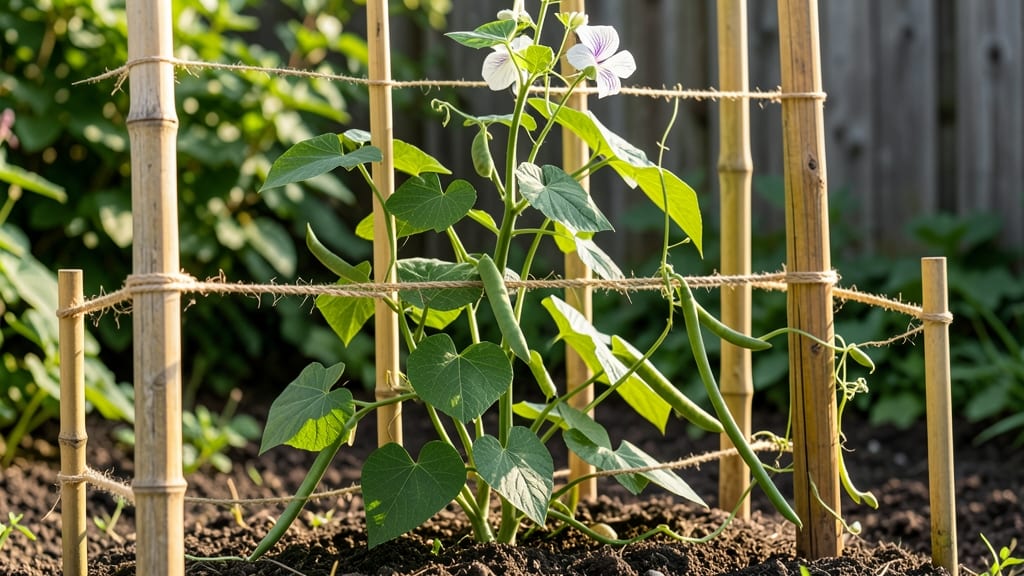
Bean plant support is the secret weapon for turning sprawling vines into a high-yielding vertical garden—doubling your harvest with the right setup. 🌱 I learned the hard way that flimsy stakes lead to flopping vines and wasted space, but the perfect support system transforms a tangled mess into a vertical garden that produces 2-3 times more beans than bush varieties in the same footprint. The key is matching the support to the bean type: 5-foot bamboo stakes work for pole beans, while A-frame trellises (built from wood or PVC) maximize space for heavy producers like Kentucky Wonder. Even simple cattle panel arches (bent into half-circles) create shade for heat-sensitive varieties while keeping pods off the ground. Once installed, you’ll see beans climbing within days, with better air circulation that prevents powdery mildew and makes harvesting easier. The pods stay cleaner, the plants grow straighter, and you avoid the heartbreak of beans rotting in the dirt. For small gardens, try tomato cages (they’re surprisingly sturdy for beans too). The best part? Supports last for years—just add fresh twine or zip ties each season to keep vines guided. Here’s how to build yours right.
📚 In This Guide
- What you need
- Instructions
- Tips and common mistakes
- Wrapping up and next steps
What you need
- ● Main Support Structure: Tall wooden stakes (5–6 ft, 1–2 inches in diameter) – 2–4 per trellis
- ● OR sturdy metal or PVC posts (6 ft, 1-inch diameter) – 2–4 per trellis
- ● OR a pre-made trellis kit (check local garden centers)
- ● Cross Supports: Galvanized wire (14–16 gauge, 20–30 ft per trellis) OR
- ● Bamboo poles (1–2 inches thick, cut to 5–6 ft lengths) – 4–6 per trellis
- ● OR sturdy twine (3/8-inch thick, 50+ ft)
- ● Fasteners & Hardware: Zip ties (50+ for wire trellises)
- ● OR heavy-duty staples (for twine)
- ● OR screw-in metal brackets (for wooden frames)
- ● Tools: Hammer or mallet
- ● Pliers (for wire)
- ● Scissors or pruning shears (for twine)
- ● Measuring tape
- ● Gloves (to protect your hands!)
- ● Coconut coir or burlap strips – for gentle vine guidance
- ● Decorative lattice panels – for a polished garden look
- ● Concrete anchors or sandbags – to weigh down stakes in windy areas
- ● Plant ties (soft fabric strips) – to secure vines without damaging them
Sturdy trellis techniques for climbing bean varieties
Here's how to build supports that keep beans thriving—and avoid the saggy, sprawling mess that ruins harvests.
🪴 Step 1: Choose the Right Trellis Type for Your Variety
Pole beans need simple stakes or teepees, while bush beans barely need support at all. For climbing varieties like Kentucky Wonder or Scarlet Runner, I opt for A-frame trellises (strongest for wind) or horizontal cables (best for heavy pods). Measure your space first—6-foot tall supports work for most varieties, but dwarf climbers only need 4 feet.
I avoid flimsy garden twine or single stakes because beans grow 1-2 pounds per plant—that’s enough weight to snap weak supports. Instead, use 1-inch diameter wooden stakes or galvanized metal pipes for durability. Place supports 12-18 inches apart in rows to distribute weight evenly.
✂️ Step 2: Build or Install Supports Before Planting
Never install trellises after beans start climbing—you’ll damage stems and stress plants. For A-frame trellises, drive two 6-foot stakes into the ground 3 feet apart, then secure horizontal crossbars at 12-inch intervals with zip ties or sturdy wire. Angle the frame slightly away from prevailing winds to prevent collapse.
For cable systems, stretch 1/4-inch galvanized wire between posts at 18-inch heights, creating a ladder-like structure. I use concrete anchors for heavy-duty setups in windy areas. Bury the bottom 6 inches deep and stake the top to prevent leaning. This ensures beans have 360-degree support as they spiral upward.
🌱 Step 3: Train Vines Correctly to Maximize Support
Wait until vines reach 6-8 inches tall before guiding them—earlier handling can stunt growth. Use soft plant ties (not wire) to gently weave vines through trellis openings. I avoid twisting stems, which restricts sap flow. Instead, loop vines counterclockwise around supports to encourage upward growth.
Watch for lateral branches forming at the base—these compete with upward growth. Prune them back to 2 inches to redirect energy to the main stem. You’ll see stronger central leaders within 2 weeks, with pods forming higher up where airflow improves drying.
💧 Step 4: Maintain Supports Through the Season
Check trellises weekly for sagging or leaning, especially after rain. Tighten cables or reinforce crossbars with additional stakes if needed. I’ve seen 10-foot vines snap supports when pods swell—so monitor pod development closely. If a section bows under weight, add a secondary support stake nearby.
Harvest pods every 2-3 days to prevent overloading. Overripe beans weigh vines down faster, increasing trellis stress. Mulch around the base with 2-3 inches of straw to retain moisture and reduce wind rock. This keeps supports stable even during storms.
☀️ Step 5: Remove and Store Supports After Harvest
Once plants yellow and pods stop producing, cut vines at the base and remove all trellis components before winter. Clean wooden stakes with 10% bleach solution to prevent fungal growth. Store metal supports in a dry place—rust weakens them for next season.
I reuse the same trellis system yearly, but replace any broken crossbars. Proper storage extends their life 5-7 years, saving money while maintaining structural integrity. Next year, you’ll skip the wobbly supports and enjoy cleaner, higher yields from day one.
Tips & tricks for sturdy bean trellis systems
Between us, I've seen more bean plants collapse under their own weight than I care to admit. These are the hard-won lessons that'll keep your climbing varieties standing tall all season.
Material Matters: When selecting your 1-inch diameter wooden stakes or galvanized metal pipes, look for straight grain and no cracks. I've learned the hard way that even slight imperfections can create weak points—especially when you're dealing with 1-2 pounds of beans per plant. For cable systems, 1/4-inch galvanized wire is the gold standard because it won't rust or stretch under load. If you're in a windy area, consider doubling up the wire for extra strength.
Wind Resistance Strategy: The slight angle you give your A-frame trellises away from prevailing winds isn't just aesthetic—it's physics. I've seen trellises that looked perfectly sturdy topple over in storms because they were installed straight up. Bury those bottom stakes 6 inches deep and angle them 5-10 degrees away from wind direction. For cable systems, add diagonal bracing between your main posts to create a triangle—this is the strongest geometric shape for wind resistance.
Training Technique: That 6-8 inch height before training isn't arbitrary—it's when the vines develop enough strength to handle manipulation without damage. I've ruined perfectly good plants by trying to guide them too early. When you do start training, use those soft plant ties and make them loose enough that you can still slide your finger between the vine and the support. Too tight, and you'll strangle the plant's growth. The counterclockwise looping isn't just tradition—it prevents the vine from twisting back on itself, which can create weak points where pods might form.
Season-Long Maintenance: The weekly checks in Step 4 aren't just about catching problems—they're about preventing them. I've seen trellises that looked fine one day and were sagging the next because someone missed the subtle warning signs. Pay special attention to where the main stem connects to the trellis—this is the most vulnerable point. If you notice a section bowing, don't just add a stake nearby. Instead, redistribute the weight by gently guiding vines to use different parts of the trellis structure.
Pro Tips for Bean Plant Support
- Between us, I've seen more bean plants collapse under their own weight than I care to admit. These are the hard-won l...
- Material Matters: When selecting your 1-inch diameter wooden stakes or galvanized metal pipes, look for straight grai...
- Wind Resistance Strategy: The slight angle you give your A-frame trellises away from prevailing winds isn't just aest...
Frequently asked questions
Got questions about keeping your climbing beans happy and healthy? Here are some of the most common concerns—and straightforward answers to help you grow like a pro!
What’s the best time to install bean plant support?
Install your trellis or support system as soon as seedlings sprout 2–3 inches tall (about 2–3 weeks after planting). Early support prevents roots from getting tangled and encourages upward growth. For pole beans, drive stakes into the soil at planting time if using them!
Can I reuse last year’s trellis for beans?
Wooden or metal trellises last for years
if stored dry and clean. Just check for rust, rot, or weak spots before reuse. Bamboo or twine supports may need replacing after 1–2 seasons, though, as they degrade faster.
My beans are wilting—did I wait too long to add support?
Not necessarily! Wilting can happen if vines get overcrowded or tangled without support. Prune gently to improve airflow, water deeply, and add a temporary stake or twine guide. With proper care, they’ll bounce back in days!
Are there eco-friendly alternatives to plastic trellises?
Yes! Try bamboo stakes, willow branches, or repurposed chicken wire for a sustainable option. Even cornstalks or sunflower stalks (from your garden!) can work in a pinch. Just ensure they’re sturdy enough to hold 6–12-inch pods!
How do I protect bean supports in winter?
Store wooden trellises in a dry, shaded spot (like a garage or shed) to prevent rot. Coat metal supports with WD-40 or linseed oil to ward off rust. For twine or string, keep it in a sealed container to avoid mildew.
Wrapping up and next steps
Growing climbing bean varieties has never been easier—or more rewarding! With the right bean plant support, like sturdy trellises or cages, you’ll enjoy healthier plants, higher yields, and fewer pests. Whether you’re a beginner or a seasoned gardener, these techniques make tending to your beans a breeze.
Now that you’re armed with the best trellis tips, it’s time to roll up your sleeves and get planting! 🌱 Start small with a few plants, experiment with different supports, and watch your garden thrive. Happy growing!