
Plants
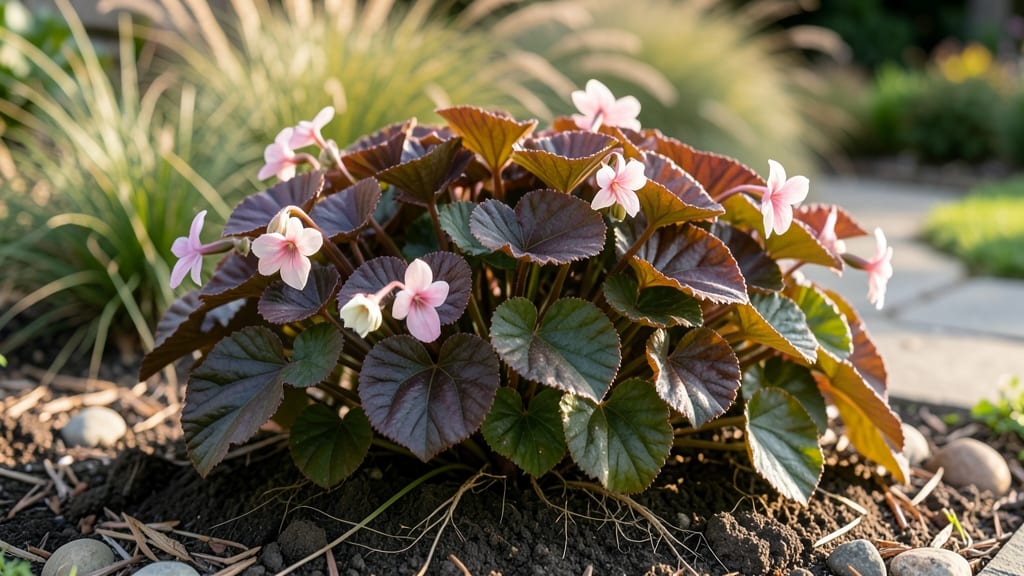
Whether begonia plants are annual or perennial depends on their type: tuberous begonias are hardy perennials in frost-free zones, while fibrous-rooted and rex begonias are typically grown as annuals in colder climates. Their life cycle depends on temperature, sunlight, and care conditions.
Deciding whether your begonia will return year after year comes down to its root system and climate needs. 🌱 Tuberous begonias store energy underground, allowing them to regrow when conditions improve, while rex and fibrous-rooted types lack this resilience.
I’ve found that even "annual" begonias can sometimes survive winters if brought indoors early—just watch for leaf drop and adjust care accordingly. The key is understanding each type’s natural dormancy patterns and adapting your growing strategy.
For gardeners in colder regions, overwintering tuberous begonias in pots with minimal watering can extend their lifespan dramatically. Meanwhile, rex begonias—often prized for their striking foliage—thrive as houseplants year-round with consistent humidity and indirect light.
The right variety and a little extra attention can turn what seems like a seasonal plant into a long-term favorite.
💡 In This Article
- How Begonia Types Determine Their Life Cycle
- Extending Begonia Growth: Tips for Year-Round Cultivation
How begonia types determine their life cycle
The key difference between annual and perennial begonias lies in their root systems and natural dormancy cycles. Tuberous begonias develop thick underground tubers that store nutrients, allowing them to survive harsh winters in frost-free zones (USDA zones 10-12).
These tubers can remain dormant for months, then regrow when temperatures rise above 55°F—a process triggered by photoperiod changes and soil warmth. In contrast, fibrous-rooted and rex begonias lack this storage mechanism, making them more sensitive to cold and frost.
Climate plays a crucial role in determining whether your begonia behaves as an annual or perennial. Tuberous varieties like Begonia × tuberhybrida naturally persist through warm winters, while rex begonias (Begonia rex-cultorum) typically die back in temperatures below 45°F.
The distinction isn't just about cold tolerance—it's about how each type adapts to seasonal light cycles. Tuberous types enter dormancy when daylight shortens, conserving energy until spring, whereas rex begonias grow continuously when given proper indoor conditions.
What most gardeners don't realize is that even "annual" begonias can sometimes behave differently based on care. Rex begonias, for example, often survive multiple years indoors if provided with 60-70% humidity and consistent 12-14 hours of indirect light daily.
The key is understanding each type's natural growth rhythm—tuberous begonias need a 6-8 week dormant period each year, while rex varieties prefer continuous growth with minimal stress. This biological difference explains why some begonias return year after year while others fade with the first frost.
Temperature thresholds are critical for begonia survival. Tuberous types can tolerate brief exposures to 32°F if kept dry, but prolonged cold damages their tubers. Rex begonias, however, show leaf scorch at temperatures below 50°F, making them poor candidates for outdoor winter survival.
The science behind this involves cellular damage from ice crystal formation in sensitive tissues—a process that tuberous begonias have evolved to resist through their specialized storage organs.
Light exposure also influences life cycle behavior. Tuberous begonias grown in full sun (6+ hours daily) produce larger tubers, while rex varieties thrive in bright, indirect light (3000-5000 lux).
This difference explains why rex begonias are primarily indoor plants—they lack the protective mechanisms to handle intense outdoor sunlight combined with temperature fluctuations. The interplay between light, temperature, and root structure creates the fundamental divide between annual and perennial begonia behavior.
Consider these key biological factors when choosing begonias:
- Tuberous types: Natural perennials in warm climates due to tuber storage (can survive 3-5 years with proper care)
- Rex begonias: Typically annuals outdoors but can live 2-3 years indoors with ideal conditions
- Fibrous-rooted: Mostly annuals due to shallow root systems (rarely survive winter exposure)
The most important takeaway is that begonia classification isn't absolute—it's a spectrum influenced by both biology and environment. With the right care, even what appears to be an annual begonia can sometimes defy expectations and return for multiple seasons. 🌿