
Plants
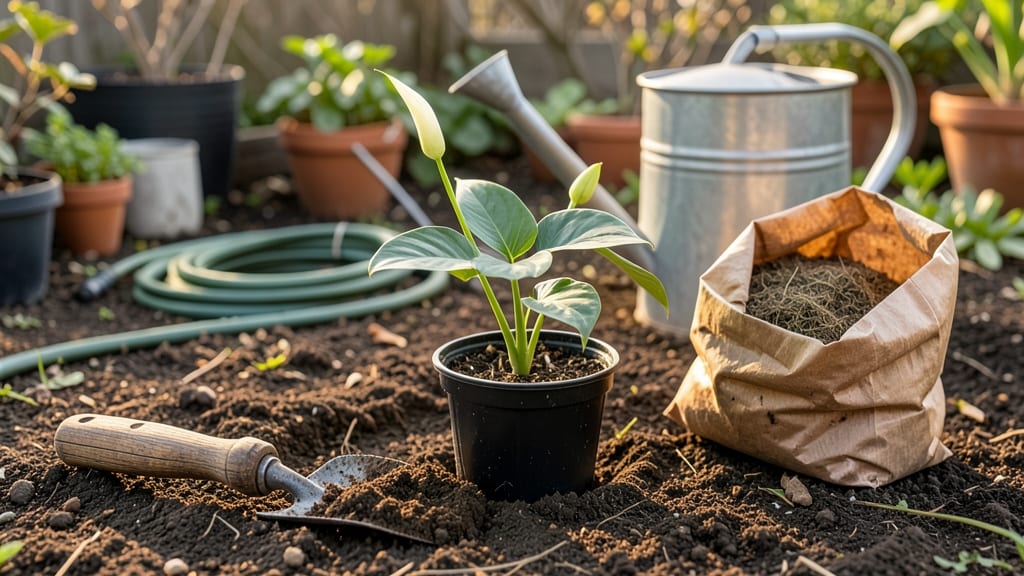
The best place to plant calla lilies in the ground is in partial shade with moist, well-draining soil and protection from harsh afternoon sun. They thrive in sheltered spots like beneath trees or near north-facing walls, avoiding soggy or overly dry conditions.
Calla lilies love dappled sunlight that mimics their natural understory habitat, where they avoid the intense midday rays that can scorch their broad leaves. 🌿 The key is finding a spot that gets morning sun or filtered light—think of them as the divas of the garden, needing just enough light to bloom beautifully without wilting.
I’ve seen them thrive under tall deciduous trees or along fences where the sun dapples through leaves, creating that perfect balance of light and shade.
For soil, aim for a mix that holds moisture like a sponge but drains quickly to prevent root rot. A 2:1 ratio of garden soil to compost works wonders, especially if your native soil is heavy clay or sandy.
Adding a handful of perlite or orchid bark helps with aeration, while a sprinkle of peat moss keeps the pH in that sweet spot of 5.5–6.5. Planting them near ferns or impatiens creates a microclimate that mimics their natural environment, too.
💡 In This Article
- Why Calla Lilies Flourish in Partial Shade
- Creating the Perfect Soil and Location for Calla Lilies
Why calla lilies flourish in partial shade
Calla lilies evolved in the shaded understories of South African wetlands, where they receive bright but indirect sunlight. Their broad, waxy leaves contain high levels of chlorophyll that efficiently capture diffused light, but they lack the protective pigments found in sun-loving plants like cannas.
This makes them highly susceptible to leaf scorch—a condition where direct sun causes brown, crispy edges due to excessive water loss through transpiration. 🌿 The ideal light scenario mimics their natural habitat: 3-6 hours of morning sun followed by afternoon shade.
Here’s what happens when they get too much sun: The rhizomes (underground stems) overheat, leading to stunted growth or even death. I’ve seen calla lilies planted in full sun wilt dramatically by midday, with leaves curling inward to minimize surface area.
In contrast, their cousin plants like hostas and ferns can handle more shade, while cannas thrive in full sun. The key difference? Calla lilies have a lower photosynthetic threshold—they bloom beautifully with less light but struggle when exposed to intense afternoon rays.
Partial shade also protects their delicate blooms. Calla lilies produce their iconic spathe-and-spadix flowers in response to stable light conditions. Too much sun can cause the flowers to close prematurely or fail to open at all.
Think of it like a greenhouse effect: The filtered light in partial shade keeps temperatures steady, allowing the flowers to develop fully. This is why gardeners often place them near north-facing walls or under deciduous trees—the leaves act as natural sunscreen during peak heat hours.
For those in hot climates, consider planting calla lilies in spots where they’ll receive no more than 2-3 hours of direct sun per day.
A simple test is to observe how sunlight moves through your garden: If a spot gets bright light but remains cool (like under a patio awning), it’s perfect.
Avoid areas where the sun beats down from 10 AM to 4 PM, as this is when UV intensity peaks and can damage their leaves irreparably.
Seasonal light changes also matter. In spring and fall, when days are shorter, calla lilies can tolerate slightly more sun. But during summer’s long days, they’ll need extra afternoon shade to thrive.
Mulching with 2-3 inches of organic matter (like shredded bark) helps regulate soil temperature and retains moisture, creating a cooler microclimate for the roots.
One common mistake is assuming "shade" means deep darkness. Calla lilies still need bright, indirect light—think of it as the difference between a forest floor and a basement. They’ll produce fewer blooms in low-light conditions, but their leaves may turn pale or develop weak stems.
The goal is to balance light exposure so they photosynthesize efficiently without overheating.