
Planting
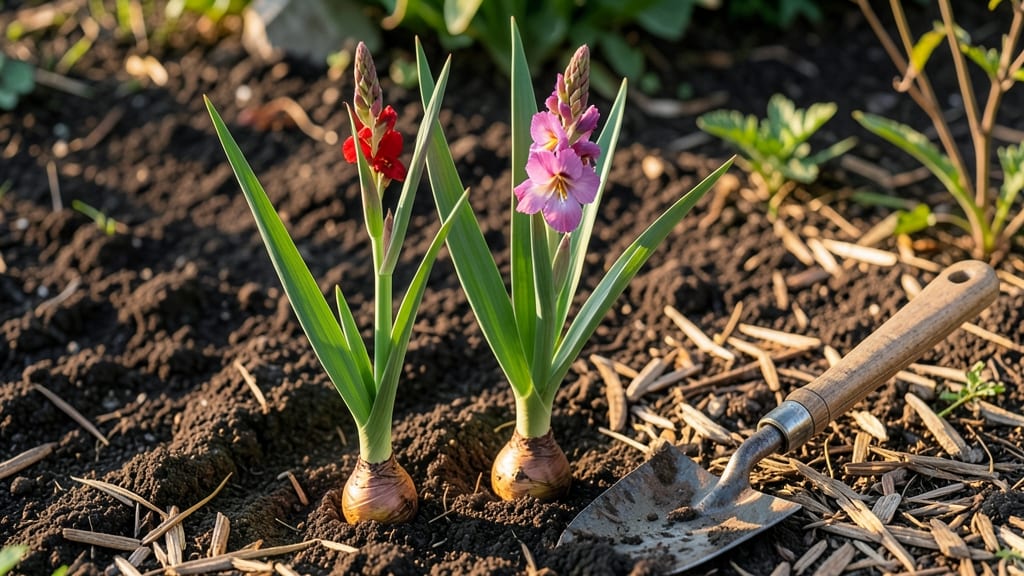
Finding the best place to plant gladiolus is the secret to show-stopping blooms that turn heads every summer.
Imagine your garden bursting with tall, dramatic spikes of color—each one a 4-to-5-foot masterpiece—because you chose the perfect sunny corner with well-drained soil. That’s the difference between a few lackluster flowers and a garden that feels like a high-end floral display.
Gladiolus thrive in full sun (at least 6 hours daily) and soil that drains fast, so soggy spots are a no-go. In USDA Zone 6a, that means planting them in April or May, after the last frost, where they’ll get plenty of warmth and airflow.
Skip the shady patches—they’ll stretch and flop, and your blooms will never reach their full potential.
Below, I’ll walk you through the best locations in your yard, from sunny borders to containers, and how to tweak your spot for bigger, longer-lasting flowers. No more guessing—just proven tips to make your gladiolus the star of the show.
Ideal sunlight and soil conditions for gladiolus growth
Gladiolus thrives when planted in the perfect balance of sunlight and soil, turning your garden into a showcase of bold, dramatic blooms. These plants are sun-worshippers, but their soil needs are equally critical for healthy root development and vibrant flowers.
Let’s break down exactly what your gladiolus craves to flourish and multiply.
First, sunlight is non-negotiable for gladiolus. They demand at least 6 hours of direct sunlight daily, with 8+ hours ideal for the largest, most abundant blooms.
In hotter climates, afternoon shade can prevent wilting, but morning sun is essential for energy production. Partial shade will result in leggy stems and fewer flowers—so prioritize south-facing spots in the Northern Hemisphere or north-facing in the Southern Hemisphere.
Now, let’s talk soil conditions. Gladiolus roots need well-draining, loamy soil rich in organic matter. Heavy clay or sandy soil can stress the corms, leading to rot or stunted growth. Aim for a slightly acidic to neutral pH (6.0–7.0).
You can test your soil’s pH with a simple kit—if it’s too acidic, add lime; if too alkaline, mix in peat moss or compost.
Here’s a quick guide to the best conditions for your gladiolus, tailored to different regions:
| Factor | Ideal Specification | Regional Adjustments |
|---|---|---|
| Sunlight | 6–8+ hours of direct sun daily | Hot climates: Provide afternoon shade; cooler regions: Full sun all day |
| Soil Type | Well-draining, loamy soil | Clay soil: Add compost; sandy soil: Mix in organic matter |
| pH Level | 6.0–7.0 (slightly acidic to neutral) | Test soil; amend with lime (high pH) or peat (low pH) |
| Drainage | Excellent (avoid waterlogging) | Raised beds ideal in wet climates; slopes help with runoff |
| Fertility | Rich in organic matter | Amend with compost or aged manure before planting |
In temperate climates like USDA Zones 6–9, gladiolus love open, sunny beds with good airflow to prevent fungal diseases.
If you’re in a tropical or subtropical region, focus on morning sun and afternoon shade to protect blooms from scorching. Container gardening is also an option—just ensure pots have drainage holes and use a lightweight potting mix.
One critical mistake to avoid is planting gladiolus in low-lying areas where water pools. Their corms rot easily in soggy soil, so elevate beds or use raised planters if your yard tends to stay damp. Mulching with straw or bark helps retain moisture while improving soil structure over time.
For maximum bloom production, pair your gladiolus with companion plants like marigolds (to deter pests) or salvia (for pollinators). Avoid planting near large shade trees, as even partial shade can reduce flower quality. Instead, choose a sunny border or mixed bed where they’ll stand out.
Finally, seasonal adjustments matter. In spring, plant corms as soon as the soil warms. In fall, dig up corms in colder regions to prevent freeze damage. With the right sunlight and soil, your gladiolus will reward you with stunning, long-lasting blooms all season long.
Ready to transform your garden? Grab your gladiolus corms, pick the sunniest spot, and prepare that well-draining soil. Your future show-stopping blooms are just a few inches underground! 🌸
Top 5 locations in your garden for planting gladiolus
Gladiolus plants thrive in specific garden locations that maximize their height, bloom production, and ease of care. Since they grow 3–5 feet tall, strategic placement ensures they stand out visually while avoiding competition for nutrients and sunlight.
The right spot also reduces maintenance challenges, like wind damage or overcrowding. Let’s explore the best 5 locations for planting gladiolus, along with their unique benefits and potential drawbacks.
Gladiolus excel in high-visibility areas where their dramatic spikes can be appreciated. Unlike shorter flowers, they need space to grow upright without bending or breaking. Whether you have a sunny border, mixed bed, or container garden, each location offers distinct advantages.
For example, sloped areas improve drainage naturally, while structures like trellises can support their height and create stunning vertical displays. Let’s dive into the top choices to help you choose the perfect spot for your gladiolus.
-
🌸 Sunny Flower Borders
Plant along sunny borders for maximum bloom visibility. Their height makes them perfect focal points in cottage or formal gardens. Pros: Easy access for maintenance, natural wind protection. Cons: May compete with shorter plants for space.
-
🌿 Mixed Flower Beds
Combine with companion plants like marigolds or salvia. Gladiolus thrive in layered beds where their height adds depth and drama. Pros: Natural pest control, extended bloom season. Cons: Requires careful spacing to avoid overcrowding.
-
🪴 Large Containers
Use 12"+ pots with drainage for balconies or patios. Ideal for small spaces or renters. Pros: Easy to move, prevents soil-borne diseases. Cons: Dries out faster; needs frequent watering.
-
🌵 Sloped or Hillside Areas
Perfect for well-draining slopes where water runoff is natural. Pros: Reduces rot risk, creates terraced beauty. Cons: May need erosion control if steep.
-
🪜 Near Trellises or Arbors
Train vines like clematis alongside gladiolus for vertical interest. Pros: Saves space, creates living sculptures. Cons: Requires sturdy structures for tall varieties.
When choosing a location, consider your garden’s layout and the gladiolus variety you’re planting. Taller varieties (4–5 ft) work best near structures or slopes, while shorter types (2–3 ft) fit well in mixed beds or containers.
Avoid windy spots, as their thin stems can snap. For urban gardens, containers are ideal—just ensure they’re large enough (12"+ diameter) to support root growth.
For long-lasting blooms, pair gladiolus with low-growing perennials like salvia or lavender to highlight their height.
If planting near trees or shrubs, choose dwarf varieties or space them 3+ feet away to prevent root competition. Seasonal adjustments matter too: In fall, dig up corms from ground beds in cold climates, but leave container plants in a sheltered spot.
Ready to transform your garden? Pick the location that matches your space and style, then prepare the soil with compost and mulch. With the right spot, your gladiolus will bloom spectacularly from summer to early fall, adding color and height to any garden design. 🌸