
Plants
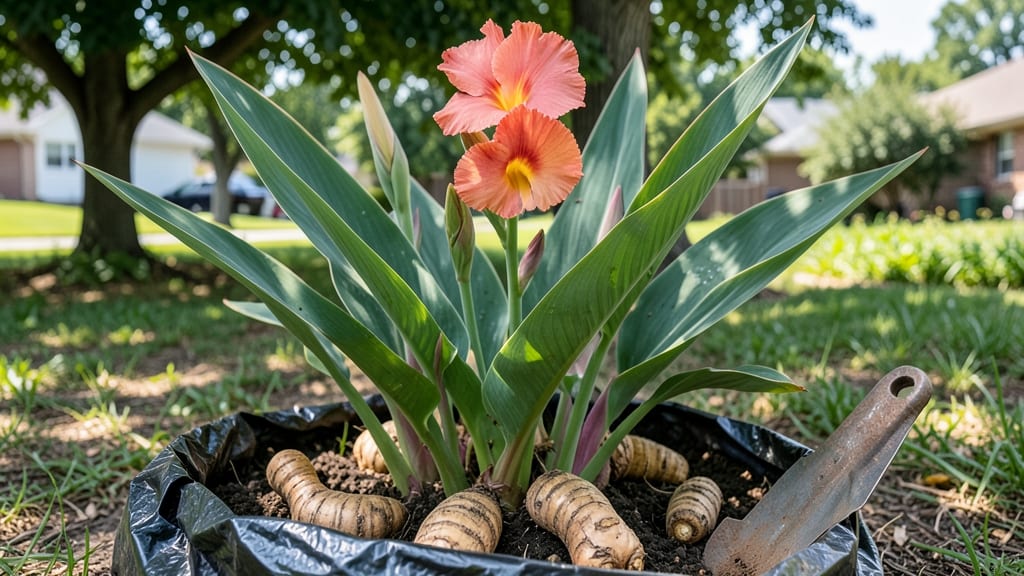
The best place to plant canna lilies is in full sun exposure with well-draining soil and warm climates maintaining temperatures above 60°F. Sheltered locations protect them from strong winds and late frosts, ensuring vibrant blooms and healthy growth.
Canna lilies love bright sunlight—they need at least 6-8 hours daily to develop their iconic tropical blooms. 🌿 In warmer climates (zones 8-11), they thrive year-round, while cooler regions should plant them after the last frost.
The key is balancing sun with protection—think near patios or fences where they get light but stay safe from harsh winds. Rich, slightly acidic soil (pH 6.0-7.0) with organic matter keeps their roots happy, and raised beds help with drainage if your yard tends to stay soggy.
For extra drama, plant them near water features or under trees with dappled shade—this mimics their natural habitat while keeping foliage lush. Just avoid low-lying areas where frost lingers, as these tropical beauties can't handle cold snaps.
With the right spot, your canna lilies will reward you with bold, fiery blooms all season long.
💡 In This Article
- Sunlight and Climate Requirements for Canna Lilies
- Soil and Location Tips for Thriving Canna Lily Gardens
Sunlight and climate requirements for canna lilies
Canna lilies are sun-worshippers, requiring 6-8 hours of direct sunlight daily to fuel their dramatic growth and vibrant blooms. This tropical plant originates from South America, where it thrives under intense sunlight—think of it as a plant version of a sunbather soaking up rays by the pool.
The more sunlight they receive, the more energy they produce through photosynthesis, which directly translates to larger leaves and more abundant flowers. In fact, studies show that canna lilies exposed to full sun can produce 20-30% more blooms compared to those in partial shade.
The ideal temperature range for canna lilies is 60-95°F, with optimal growth occurring between 70-85°F. These plants are tropical at heart, so they struggle when temperatures dip below 50°F—their growth slows dramatically, and leaves may develop unsightly brown patches.
In cooler climates, canna lilies act more like annuals, dying back in winter and relying on their sturdy rhizomes to regrow in spring. Humidity also plays a role; these plants love 60-80% humidity, which helps prevent the edges of their leaves from turning crispy—a common sign of dry air.
What makes canna lilies so fascinating is their ability to adapt to different climates while still demanding warmth.
In USDA zones 8-11, they can grow year-round, while in colder zones (5-7), they need to be planted after the last frost date and may require winter protection like mulch or container growing. The key is avoiding late spring frosts, which can damage tender new growth.
I've seen canna lilies planted near south-facing walls or patios thrive spectacularly—the extra warmth from the structure acts like a microclimate, extending their growing season.
Wind can be a silent enemy for canna lilies. Their tall, dramatic foliage can reach 3-6 feet, making them top-heavy and prone to flopping in strong breezes. Planting them near fences, trellises, or other structures provides the physical support they need while still allowing sunlight to reach their leaves.
This is why gardeners often place them near patios or along property lines—practical placement that serves both aesthetic and functional purposes. The trade-off? Even with protection, canna lilies still need that full sun to prevent their stems from becoming leggy and weak.
Here's a pro tip: If you're in a region with hot summers, provide afternoon shade during the peak heat (like 12-4 PM) to prevent leaf scorch. This is especially important in desert climates where temperatures can exceed 100°F.
The solution? Plant them under the dappled shade of a deciduous tree—one that will let sunlight through in cooler months but provide relief when it's scorching. This balance is what transforms canna lilies from mere survivors to showstopping garden stars.
One common misconception is that canna lilies can handle shade, but this couldn't be further from the truth. While they might survive in partial shade, their growth becomes stunted, and blooms become sparse and less vibrant.
The chlorophyll in their leaves works most efficiently under full sun, producing the energy needed for those iconic red, orange, or yellow blooms. Think of it like a photographer needing the right lighting—without enough sun, the "photo" (your flowers) just won't turn out as sharp or stunning.