
Planting
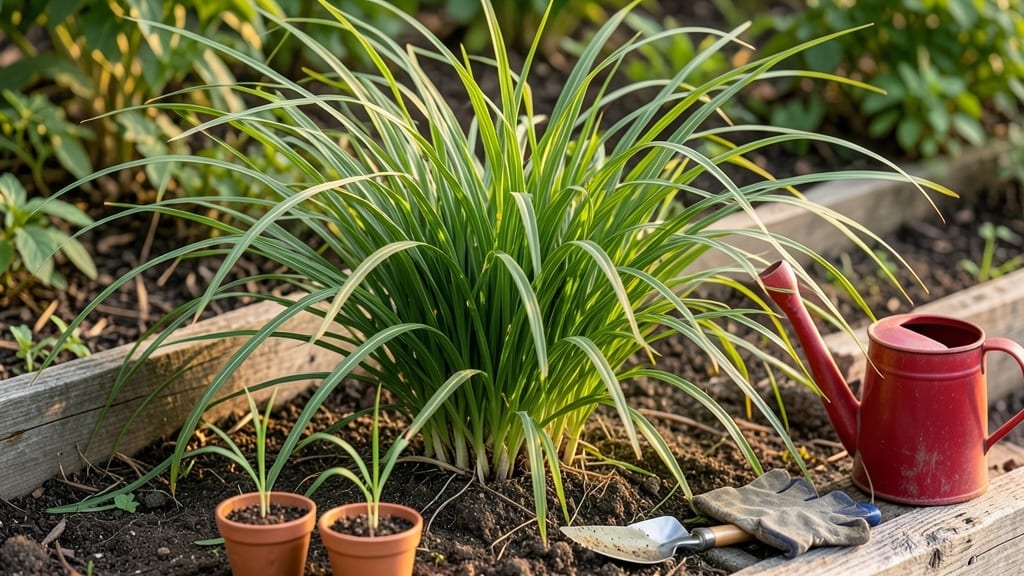
The best place to plant lemongrass starts with full sun and warm soil—where the stalks grow tall, fragrant, and ready for harvest. 🌿 I’ve learned the hard way that lemongrass refuses to thrive in shady spots or chilly climates, so I now treat it like a sun-worshipping diva: give it 6+ hours of direct sunlight daily and soil that stays above 60°F.
Even in containers, it demands warmth and bright light, which is why I keep mine near my kitchen window or on the patio during summer. Outdoors in tropical or subtropical zones (like mine in Florida), lemongrass grows 3–5 feet tall in well-draining, slightly acidic soil.
If you’re in a cooler climate, skip the ground and use 5-gallon pots with drainage holes—lemongrass hates soggy roots. The key is mimicking its native habitat: heat, humidity, and space to spread.
Overcrowding leads to weak stalks and disease, so space plants 12–18 inches apart or keep single stalks in individual containers. You’ll know you’ve nailed it when the leaves release that citrusy aroma just by brushing past them.
The first harvest comes in 3–4 months, and with proper care, one plant can last years, producing fresh stalks for cooking or tea.
The trick is consistency: water when the top inch of soil dries, but never let it sit in standing water—lemongrass is tough but not waterlogged. For cooler months, bring potted lemongrass indoors near a south-facing window or under grow lights.
I’ve even overwintered mine in a sunny garage with a heat mat, and it bounced back stronger in spring. The secret? Don’t rush it—lemongrass grows best when it’s warm, not forced. With the right spot, you’ll have a perennial harvest that outlasts store-bought bundles.
📚 In This Guide
- What you need
- Instructions
- Tips and common mistakes
- Wrapping up and next steps
What you need
- ● Lemongrass plants or cuttings: 3–5 healthy stalks (ensure they have roots or are at least 6–8 inches tall).
- ● Well-draining potting mix or garden soil: For pots: 1–2 gallons of peat-free, organic potting mix (or a blend of 60% potting soil, 30% perlite, and 10% compost).
- ● For ground planting: Amend native soil with 2–3 inches of compost or aged manure for fertility.
- ● Containers (if potting): 1–2 large pots (12+ inches deep and wide) with drainage holes.
- ● Watering can or hose with a gentle spray nozzle.
- ○ Fertilizer (optional but recommended): Balanced 10-10-10 liquid fertilizer or organic options like fish emulsion.
- ● Mulch: Straw or shredded leaves to retain moisture and suppress weeds.
- ● Slow-release fertilizer pellets: For a nutrient boost over time.
- ● Pruning shears: To trim dead or yellowing leaves for better growth.
- ● pH testing kit: To check soil acidity (ideal range: 5.5–6.5).
Step-by-Step guide to choosing the perfect spot for lemongrass
Lemongrass thrives when you nail the location—here's how to find its ideal sun-drenched home.
🌱 Step 1: Select a Warm, Sheltered Microclimate
Lemongrass craves full sun—at least 6-8 hours daily—but it also hates brutal afternoon winds that dry out its tender leaves. I always scout my yard for that sunny but protected pocket: near a fence, under eaves, or beside taller plants that act as windbreaks. The goal is direct morning light and dappled afternoon shade if your climate runs hot.
Test your spot for 3-5 days before planting. Place a small pot of lemongrass there during the day and check for wilting or scorched leaves by late afternoon. If you see either, move it slightly—lemongrass wilts faster than it recovers. The perfect location will show no stress signs after a full sun day.
☀️ Step 2: Prioritize Well-Draining Soil with Organic Matter
Lemongrass roots rot in soggy soil, so drainage is non-negotiable. I dig a 12-inch deep hole and mix in 2 inches of compost with the native soil to improve aeration. If your soil feels compacted (like wet clay), blend in 1 part perlite for every 3 parts soil—this prevents waterlogging while keeping moisture.
Here's the trick: lemongrass tolerates poor soil better than poor drainage. If your yard has heavy clay, raise the plant in a slightly elevated pot (even just 2 inches off the ground) to let excess water escape. The soil should feel light and crumbly when squeezed—if it sticks together like Play-Doh, amend it further.
💧 Step 3: Time Your Planting for Optimal Germination
Plant lemongrass after the last frost date when soil temperatures hit at least 70°F. I use a soil thermometer to confirm—cold soil delays germination and weakens seedlings. In warm climates, you can plant year-round; in cooler zones, wait until mid-spring when nights stay above 60°F.
If starting from seed, soak them overnight to soften the husk, then plant ½ inch deep in loose soil. For cuttings, bury 3-4 inches of the stalk (with nodes facing down) and water deeply. The first true leaves should appear in 2-3 weeks—if they don’t, check for overwatering (the #1 killer of young lemongrass).
✂️ Step 4: Adjust for Seasonal Light Changes
Lemongrass grows fastest in summer but slows dramatically in winter. When days shorten, move potted plants to a south-facing window or under grow lights for 12 hours daily. You’ll notice growth stall completely if light drops below 4 hours/day—this is when many gardeners give up, but lemongrass just needs a light boost.
In frost-prone areas, dig up containers before the first 32°F night and store them in a garage with indirect light. Lemongrass survives light freezes (down to 28°F) if the ground isn’t waterlogged, but it’s not winter-hardy. The key sensory cue: if leaves turn yellow-brown and mushy, frost damage has set in—replace the plant next season.
🌿 Step 5: Monitor and Refine the Plant’s Environment
After 6-8 weeks, your lemongrass should be 3-4 feet tall with bright green, sword-like leaves. If it’s leggy and pale, it’s not getting enough light—relocate immediately. If leaves curl at the edges, the air is too dry; group plants together to create humidity or mist them daily in dry climates.
Here’s the pro move: mulch heavily (2-3 inches) with straw or wood chips to keep roots cool and retain moisture. I check mulch every 2 weeks—if it’s broken down, I top it off. The perfect mulched spot feels slightly damp 1 inch below the surface when you dig a finger in. Too dry? Water deeply. Too wet? Let it dry out before watering again.
Tips & tricks for perfect lemongrass placement
Here's what nobody tells you about creating the ideal conditions for this tropical treasure.
Sunlight Strategy: The 6-8 hours of direct sunlight in Step 1 should be spread across morning through early afternoon. I've seen lemongrass struggle when planted in spots that receive only late afternoon sun—those intense afternoon rays can scorch tender leaves. In hot climates, the dappled afternoon shade mentioned is crucial. You can create this naturally by planting near taller shrubs or using shade cloth rated for 30-50% coverage if needed. The key visual cue is leaves that stay vibrant green—not yellowing or crisping at the edges.
Soil Test Hack: Before amending your soil as described in Step 2, perform this quick test: squeeze a handful of moist soil in your palm. If it forms a tight ball that doesn't crumble when poked, you need more perlite or sand. If it feels like dry sand, add compost to improve moisture retention. I've found that lemongrass roots actually prefer soil that's slightly more compact than what most tropical plants like—just not waterlogged. The perfect texture should hold its shape when squeezed but still break apart easily.
Seasonal Light Extension: When adjusting for seasonal changes in Step 4, consider using a simple grow light bulb rather than full spectrum grow lights. A standard LED bulb placed 6-12 inches above the plant provides enough supplemental light to maintain that crucial 12-hour day length. I've had success with basic 60-watt bulbs—just position them so the light reaches the top leaves. The growth difference is dramatic when you compare plants getting this boost versus those left with only natural light during short winter days.
Winter Survival Secret: For that critical 32°F threshold mentioned in Step 4, I've developed a simple frost warning system using dollar store plastic cups. Fill them with water and place them near your lemongrass. When the water starts to freeze (you'll see ice crystals forming), you've got about 2 hours before frost hits. This gives you just enough time to move potted plants indoors. For in-ground plants, I've found that even a thin layer of mulch (just 1 inch) can make the difference between survival and damage during light freezes down to 28°F.
Pro Tips for Best Place To Plant Lemongrass
- Here's what nobody tells you about creating the ideal conditions for this tropical treasure.
- Sunlight Strategy: The 6-8 hours of direct sunlight in Step 1 should be spread across morning through early afternoon...
- Soil Test Hack: Before amending your soil as described in Step 2, perform this quick test: squeeze a handful of moist...
Frequently asked questions
Got questions about planting lemongrass?
You’re not alone! Here are answers to the most common concerns—so you can grow this fragrant, versatile herb with confidence.
Can lemongrass grow in partial shade?
While lemongrass thrives in full sun (6+ hours daily), it can tolerate partial shade (4–6 hours of sun), especially in hot climates. However, growth may be slower, and stems could become thinner. If your yard is shady, opt for a sunny spot like a balcony or windowsill instead!
How long does it take for lemongrass to grow?
With proper care, lemongrass reaches harvestable height (12–18 inches) in 3–4 months. For faster growth, plant in warm soil (70°F+) and keep it consistently moist. Patience pays off—older plants (6+ months) produce more robust stems and leaves!
Can I grow lemongrass in containers?
Lemongrass adapts well to containers (5+ gallons) with drainage holes. Use a mix of potting soil and sand for airflow, and place it in bright, indirect light. Just ensure the pot stays warm—lemongrass hates cold roots (<50°F). Perfect for patios or kitchens!
Why is my lemongrass turning yellow or dying?
Yellowing leaves often signal overwatering, poor drainage, or root rot. Let soil dry slightly between waterings, and ensure the pot has drainage. Brown tips? It might be underwatered or exposed to cold drafts. Trim damaged parts and adjust care—lemongrass is resilient with the right fixes!
What’s the best alternative if lemongrass won’t grow in my climate?
If your zone is too cold (
Wrapping up and next steps
Finding the perfect spot for your lemongrass is easier than you think! With sunny, well-draining soil and a little warmth, you’re already setting your plants up for success.
Whether you’re growing in pots or the ground, consistency in care will reward you with fragrant, lush stalks—ready for cooking or healing remedies.
Now that you’re armed with the best place to plant lemongrass, why not take the next step? Start planting today and enjoy the journey of watching your garden thrive! 🌱✨