
Planting
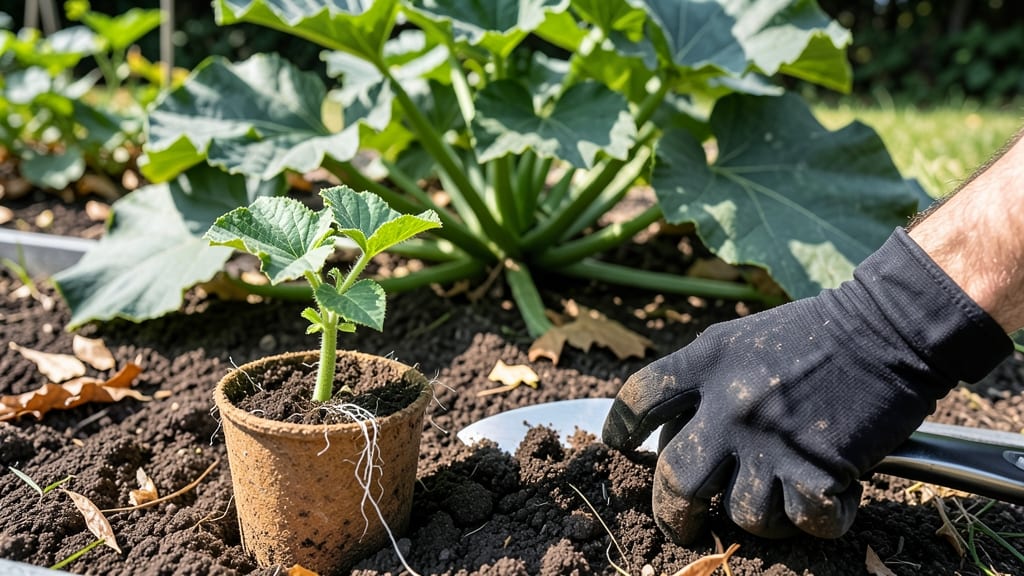
Planting zucchini in the best place means choosing a sun-drenched spot with loose, nutrient-rich soil where they’ll sprawl into 6-foot giants 🎃 instead of struggling for survival.
Struggling to grow zucchini that thrive instead of wilt? The secret isn’t just in the seeds—it’s in the perfect planting location that maximizes sunlight, soil health, and spacing for explosive growth.
Too much shade and your plants will stretch thin, producing bitter fruit. Too little space, and diseases like powdery mildew take over. Get this right, and you’ll harvest bushels of zucchini by July—no guessing required.
Below, I break down the golden rules for sunlight, soil prep, and spacing, plus the top 5 companion plants that repel pests while boosting flavor. Let’s turn your garden into a zucchini powerhouse.
Optimal sunlight & soil conditions for zucchini growth
Zucchini plants are sun-worshippers, demanding 6-8+ hours of direct sunlight daily to produce those prized summer squashes. Without enough light, you’ll see stunted growth, pale leaves, and fewer fruits—so choose your planting spot carefully.
I’ve learned the hard way that even partial shade can turn a thriving plant into a sad, underproducing shadow of its potential.
Your soil pH should sit between 6.0 and 7.0—this slightly acidic to neutral range ensures zucchini roots can absorb all the nitrogen, phosphorus, and potassium they crave. Test your soil before planting; if it’s too alkaline (above 7.5), mix in sulfur or peat moss to adjust it.
I once planted zucchini in heavy clay soil with a pH of 8.0, and my plants struggled until I amended it.
Well-draining soil is non-negotiable—zucchini hates soggy roots. Amend heavy clay with compost or sand, and avoid low-lying areas where water pools. In hot climates, mulch heavily to retain moisture and cool roots, while cooler regions may need black plastic mulch to warm the soil faster in spring.
Here’s the perfect planting recipe for zucchini success, broken down by your climate zone:
Watch for nutrient deficiencies like yellowing leaves (nitrogen deficiency) or purple stems (phosphorus shortage). I fix these by side-dressing with fish emulsion or bone meal, respectively. For potassium issues in hot climates, wood ash sprinkled lightly around plants works wonders.
If your zucchini leaves start curling or developing brown edges, it’s often a sign of overwatering or poor drainage. Let the top inch of soil dry between waterings, and consider raised beds if your native soil is compacted.
I once lost a batch of zucchini plants to root rot because I ignored this warning sign—don’t make the same mistake!
For container growing, use at least a 5-gallon pot per plant and place it in full sun. Choose a lightweight potting mix with perlite to prevent compaction. I’ve grown zucchini in containers on my balcony, and with proper sunlight and fertilizer, they’ve produced just as well as in-ground plants.
Remember: location matters more than variety. Even the hardiest zucchini (like ‘Eight Ball’ or ‘Black Beauty’) will struggle without the right conditions. Scout your yard for the sunniest, most sheltered spot—away from trees, fences, or buildings that cast shade.
My best harvests come from zucchini planted near my south-facing fence, where they get unobstructed sun all day.
Pro tip: Plant zucchini near a windbreak like a tall sunflower or corn stalk to protect delicate vines from damage. I lost several plants last year to strong afternoon winds until I added a simple bamboo stake windbreak.
It’s a small fix that makes a huge difference in plant health.
Best spacing & companion plants to maximize zucchini yields
Zucchini plants thrive when given the right amount of space to spread their vines and leaves. Vining varieties like 'Black Beauty' need 3-4 feet of space between plants, while bush types like 'Eight Ball' can grow well with 2 feet of spacing.
Proper spacing isn’t just about aesthetics—it’s crucial for airflow, which prevents powdery mildew and other fungal diseases that can devastate your harvest.
When planning your zucchini patch, think about how the plants will mature. A single zucchini plant can spread up to 6 feet wide and grow 5-6 feet tall.
Crowding plants forces them to compete for nutrients and sunlight, leading to weaker stems and smaller fruits. Overcrowding also attracts pests like squash bugs, which thrive in dense foliage where they can hide and lay eggs undetected.
⚖️ Best Place to Plant Zucchini: Spacing & Companion Plants
- Space vining zucchini 3-4 ft apart
- Plant bush types 2 ft apart
- Use marigolds to repel pests
- Interplant with beans for nitrogen
- Crowd plants under 2 ft
- Plant near potatoes or fennel
- Ignore airflow for mildew risk
- Skip companion planting
🌱 Pro Tip: Use a trellis for vining types to save space while improving airflow.
Companion planting is a game-changer for zucchini gardens.
The top 5 companion plants include marigolds, which repel pests like squash bugs and nematodes with their strong scent. Nasturtiums also deter pests while adding vibrant color to your garden. Beans are another excellent companion—they fix nitrogen in the soil, giving your zucchini plants a nutrient boost without needing extra fertilizer.
Other great companions include basil, which improves the flavor of zucchini and deters flies, and corn, which provides shade for young plants.
Avoid planting zucchini near potatoes or fennel, as these plants compete for nutrients and can stunt growth. Dill is another no-go—it attracts spider mites, which can quickly infest your zucchini leaves.
To maximize yields, consider interplanting zucchini with fast-growing companions like lettuce or radishes.
These plants mature quickly and can be harvested before the zucchini vines spread, leaving plenty of space for your main crop. Mulching around zucchini plants with straw or grass clippings helps retain moisture, suppress weeds, and keep the soil temperature stable—all of which contribute to healthier plants and bigger fruits.
If you’re short on space, try growing bush zucchini varieties in containers or raised beds.
Just ensure the container is at least 18 inches deep and 12 inches wide per plant to accommodate their root systems. Container-grown zucchini may produce slightly smaller fruits, but with the right care, you can still enjoy a bountiful harvest in even the smallest gardens.