
Planting
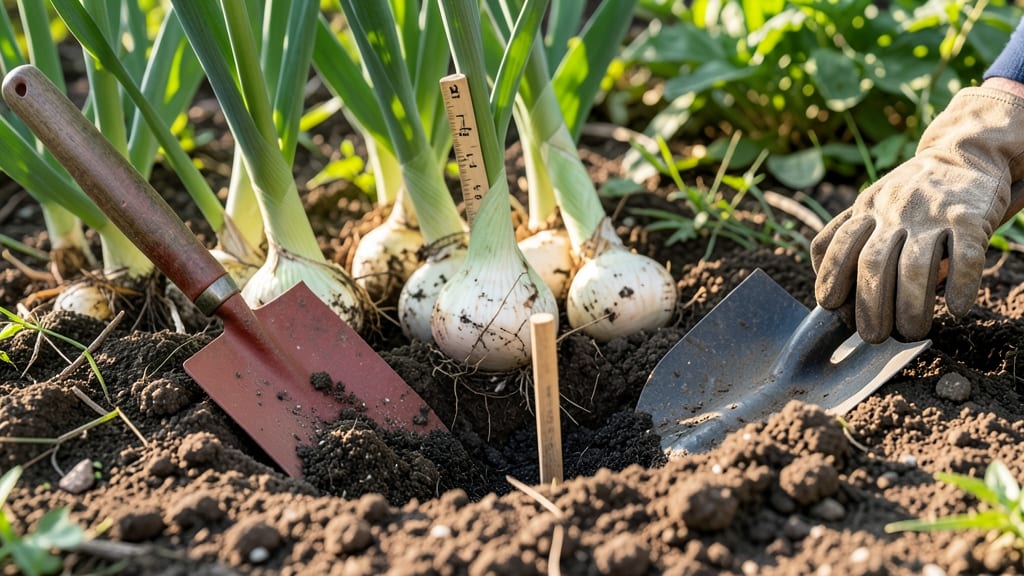
Spring planting guide: when to plant gladioli bulbs after last frost
Timing your gladioli bulb planting is critical for those show-stopping summer blooms. Plant too early, and frost will damage tender shoots. Plant too late, and your glads may struggle in summer heat before establishing roots.
The sweet spot? 4-6 weeks after your last frost date when soil temperatures hit 60°F (15°C)—the magic threshold for root growth.
I’ve learned the hard way—skipping this step means stunted growth or even no blooms at all. Let’s break down the perfect planting window by your USDA zone, soil prep tips, and how to prep bulbs for post-frost success.
🌱 Pro Tip: Use your finger to test soil temperature—if it feels warm to the touch (like a cozy sweater), it’s ready for planting!
| USDA Zone | Last Frost Date | Ideal Planting Window | Soil Temp Requirement | Key Consideration |
|---|---|---|---|---|
| 3-5 | March 15-April 15 | Late April-May | 60°F (15°C) | Wait for night temps above 50°F (10°C) |
| 6-7 | April 15-May 15 | Early May-June 1 | 60°F (15°C) | Mulch after planting to retain warmth |
| 8-9 | March 1-April 15 | March 15-April 15 | 55°F (13°C) | Plant early to avoid summer drought stress |
| 10+ | February 15-March 15 | February 1-March 15 | 50°F (10°C) | Use shade cloth if temps exceed 85°F (29°C) |
Notice how warmer zones (8-10) can plant earlier? That’s because their soil warms faster after frost. But don’t rush—even in Zone 10, wait until soil hits 50°F (10°C) to avoid root rot from cold, wet soil.
Before planting, soak gladioli corms in a fungicide solution (like 1 part bleach to 9 parts water) for 10 minutes. This kills dormant fungal spores that could cause corm rot—a common issue after frost when soil stays damp.
I always amend my soil with compost or aged manure before planting. Gladioli are heavy feeders and need well-draining, fertile soil to support their tall spikes. Mix in perlite or sand if your soil is clay-heavy to prevent waterlogging.
Plant your gladioli bulbs 4-6 inches deep and 6 inches apart in rows. The pointy end should face up—this is where the shoots emerge. In colder zones (3-5), consider using black plastic mulch to warm the soil faster and protect emerging shoots from late frosts.
After planting, water deeply but avoid overwatering. Gladioli bulbs rot easily in soggy soil. Aim for 1 inch of water per week, and always water at the base of the plant to prevent fungal diseases like botrytis blight.
Once your gladioli shoots reach 6 inches tall, it’s time to fertilize lightly with a balanced 10-10-10 fertilizer. This gives them a growth boost before summer heat arrives. I like to side-dress with compost every 4-6 weeks to keep the soil rich.
With the right timing and care, your gladioli will reward you with dramatic, sword-like
Fall planting advantages: why planting before ground freezes works best
While spring planting gets most of the attention, fall planting offers gladioli bulbs a head start on next year’s summer blooms. The key advantage? Cooler soil temperatures and natural chilling period that mimics their native Mediterranean climate.
When planted in fall (6-8 weeks before ground freezes), gladioli bulbs establish strong root systems without competing with summer heat or drought stress.
This dormant season also helps break dormancy naturally, resulting in earlier and more vigorous growth come spring. In my Zone 6 garden, fall-planted gladioli often bloom 2-3 weeks earlier than their spring counterparts.
The secret lies in timing—plant too early, and bulbs may sprout prematurely before winter; too late, and they won’t establish roots before freeze.
⚠️ callout-warning
Gladioli bulbs planted too close to freeze can suffer from freeze-thaw damage. When soil freezes and thaws repeatedly, moisture expands in the soil, cracking corms and inviting rot-causing fungi. To prevent this:
- Plant at least 6 weeks before ground freezes (check USDA Zone 5 for October 1 target)
- Use 3-4 inches of straw mulch after planting to insulate bulbs
- Avoid watering once ground freezes to prevent ice formation
For optimal fall planting, aim for 60-70°F soil temperatures (test with a soil thermometer) and well-draining soil. I always amend my garden beds with compost and perlite before planting to improve drainage—a critical factor when winter rains arrive.
The ideal depth remains 4-6 inches, with 6 inches between bulbs to prevent crowding.
After planting, water deeply but reduce frequency as temperatures drop. Once ground freezes, stop watering entirely to prevent moisture buildup around bulbs.
In Zone 7 and warmer, you can even plant as late as November if soil hasn’t frozen, but Zone 5 gardeners should finish by October 15 to avoid risk.
One often-overlooked benefit of fall planting is natural pest control. Many gladioli pests (like thrips and aphids) go dormant in winter, giving your bulbs a clean start in spring. Plus, earlier blooms mean longer vase life—a gardener’s dream!
To maximize success, chill your bulbs for 8-12 weeks at 40-50°F (4-10°C) before planting if you’re in a warmer climate (Zone 8+). This mimics winter dormancy and ensures synchronized blooming. Store them in a paper bag with peat moss in your refrigerator’s crisper drawer for perfect conditions.