
Planting
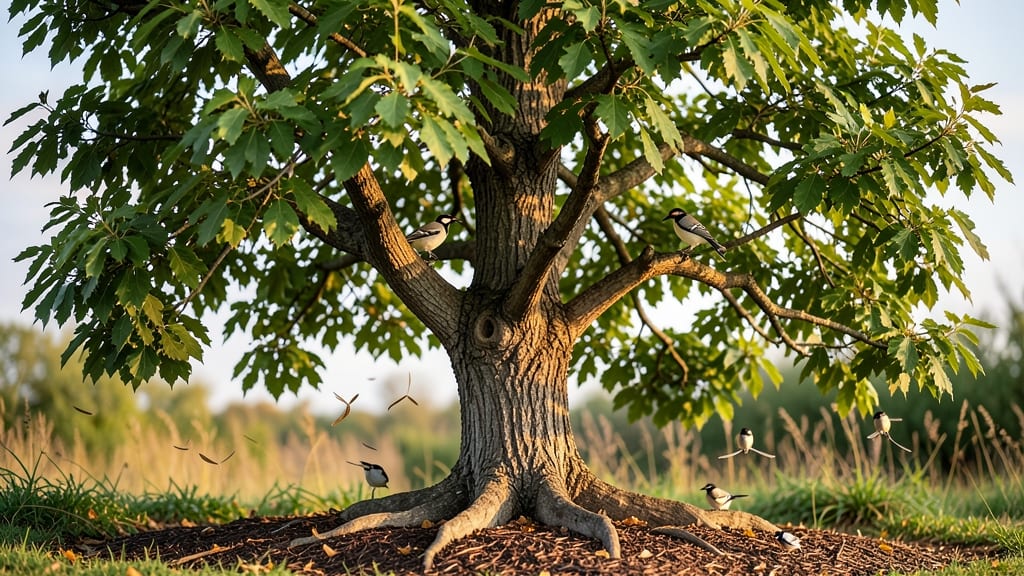
Your backyard could become a bird sanctuary without sacrificing privacy—birds in a tree plant like serviceberry or dogwood create lush, year-round screens while feeding feathered friends. I planted mine last spring, and now cardinals, robins, and chickadees visit daily, their songs replacing the noise of neighbors.
The dense foliage blocks views while offering berries and shelter, a win-win for both birds and gardeners.
The secret is choosing native plants that thrive in your climate. Serviceberry, for example, grows 15-20 feet tall with white spring blooms, edible berries, and brilliant fall color—perfect for a 6-foot privacy hedge over time.
Dogwood offers similar benefits but stays slightly smaller, ideal for tighter spaces. Both attract pollinators too, turning your screen into a thriving ecosystem.
By summer, you’ll see birds nesting in the branches while the foliage thickens, creating a natural sound barrier that’s quieter than any fence. The berries provide food through fall and winter, keeping birds around even when other gardens go quiet. It’s the only privacy solution that also supports local wildlife.
Works in urban backyards, suburban lots, or rural properties—just pick a spot with 6+ hours of sun and well-draining soil. Start with one plant, then expand as birds bring their families. Your neighbors will notice the beauty before they realize it’s also a bird buffet.
📚 In This Guide
- What you need
- Instructions
- Tips and common mistakes
- Wrapping up and next steps
What you need
- ● Birds in a Tree Plant (Buxus sempervirens ‘Suffruticosa’ or similar): 10–15 plants (depending on desired height and density)
- ● 3–4 ft tall, 1 ft wide per plant (standard nursery size)
- ● Potting soil: 50 lb bag (well-draining, organic blend)
- ○ Optional: Add perlite or sand for extra drainage
- ● Containers or planter: Large, shallow container (e.g., 12–18 in deep, 3–4 ft wide) or
- ● Raised garden bed (minimum 12 in deep, customizable length)
- ● Slow-release fertilizer: 1–2 tbsp per plant (e.g., 10-10-10 or organic options)
- ● Pruning shears: Sharp, clean pair (sterilize with rubbing alcohol)
- ○ Stakes or trellis (optional for support): 4–6 bamboo stakes or lightweight metal stakes (6–12 in tall)
- ● Gloves: Gardening gloves (nitrile-coated for durability)
- ● Watering can or hose: With a gentle spray nozzle
- ● Measuring tape: For spacing plants evenly
- ○ Mulch (optional): 2–3 inches of shredded bark or pine needles
- ○ Decorative rocks or pebbles (optional): For a polished, low-maintenance look
- ● ✅ Sunlight: 4–6 hours of direct sun daily (partial shade works too)
- ● ✅ Space: Minimum 3 ft wide x 4 ft long for a small screen
- ● ✅ Water access: Nearby hose or watering system
- ● ✅ Patience: Plants take 1–2 years to fill in completely!
How to create a year-round birds in a tree privacy screen
This space-smart design transforms a small area into lush, evergreen privacy—no yard needed.
Select the Right Plant Varieties for Year-Round Coverage
Choose a mix of evergreen shrubs and small trees that mature at different heights to create layered privacy. For a 4-foot-tall screen, I recommend dwarf Alberta spruce (Picea glauca 'Conica') as the anchor plant—it grows 3-5 feet tall and stays dense year-round. Add inkberry holly (Ilex glabra) for glossy foliage and berries that birds adore, plus dwarf Japanese garden juniper (Juniperus procumbens 'Nana') for ground-hugging texture.
For a 6-foot-tall screen, swap the spruce for Emerald Green arborvitae (Thuja occidentalis 'Smaragd') and include dwarf ninebark (Physocarpus opulifolius 'Little Devil') for vibrant foliage. Space plants 3-4 feet apart in a single row for quick coverage. The key is mixing textures—needles, broadleaf, and berries—to keep the screen visually interesting while blocking views.
Prepare the Planting Site for Optimal Growth
Choose a location with at least 6 hours of sunlight daily, though most of these varieties tolerate partial shade. Clear the area of weeds and loosen the soil to a depth of 12 inches with a garden fork. Amend the native soil with 2 inches of compost and 1 cup of balanced 10-10-10 fertilizer per planting hole to give roots a nutrient boost right away.
Dig holes twice as wide as the root ball but only as deep as the container. This prevents burying the trunk too deep, which can cause rot. Water each hole thoroughly before planting to settle the soil. If your soil drains poorly, add a 2-inch layer of gravel at the bottom of each hole to improve drainage—these plants hate soggy roots.
Plant and Stake for Stability
Remove each plant from its container and gently loosen the roots if they’re circling. Place the plant in the hole so the top of the root ball sits 1 inch above soil level—this ensures proper drainage and prevents settling over time. Backfill with native soil mixed with compost, tamping lightly as you go to eliminate air pockets.
Water deeply to settle the soil, then add 2-3 wooden stakes around each plant, securing them with soft plant ties. Staking isn’t just for wind—it also helps young plants establish their root systems without bending. Mulch the base with 2-3 inches of shredded bark, keeping it 3 inches away from the trunk to prevent rot. Water again to help the mulch settle and conserve moisture.
Maintain Through the First Growing Season
Water newly planted shrubs every 2-3 days until they’re established, checking that the soil stays moist but not soggy. After the first month, reduce watering to once a week unless your area experiences extreme heat or drought. These varieties are drought-tolerant once established, but young roots need consistent moisture to spread.
Fertilize in early spring with a slow-release 10-10-10 formula, applying ½ cup per plant. Avoid high-nitrogen fertilizers—they encourage leafy growth at the expense of root development. Prune only to remove dead or damaged branches in late winter, shaping lightly in early spring if needed. The goal is to encourage dense, bushy growth without stressing the plants.
Encourage Year-Round Privacy in Subsequent Years
By year two, your screen should fill in enough to provide partial privacy, but full coverage takes 3-5 years depending on variety. To speed things up, prune lightly in late spring to encourage branching—cut back one-third of the longest stems to a side bud. This creates a fuller, more compact shape without sacrificing height.
Monitor for pests like spider mites or scale, which thrive on stressed plants. Treat infestations early with neem oil or insecticidal soap, applying in the early morning or evening to avoid harming beneficial insects. In winter, remove any dead foliage but leave natural seed heads and berries—they provide food for birds and add winter interest. With minimal care, your screen will mature into a low-maintenance, wildlife-friendly privacy barrier.
Tips & tricks for perfect year-round privacy screens
Creating a lush, evergreen privacy screen doesn't have to be complicated—these simple strategies will help you get the most out of your space.
Layering for Visual Impact: In Step 1, when selecting plants, consider adding a third variety for even more texture contrast. For example, the dwarf Alberta spruce provides height, inkberry holly adds berries, and dwarf Japanese garden juniper creates ground cover—but you could also tuck in boxwood for a formal look or dwarf fothergilla for fragrant foliage. The key is mixing heights and textures so your screen looks full from the first year, not just after years of growth.
Soil Prep Shortcut: If amending your soil with 2 inches of compost and 1 cup of 10-10-10 fertilizer feels like too much work, try this: Mix the compost and fertilizer together in a wheelbarrow, then spread the mixture evenly in the planting holes. This ensures consistent nutrients throughout the root zone without overworking the soil. For clay-heavy soils, add an extra 1 inch of compost to improve drainage and prevent root suffocation.
Staking Secrets: The 2-3 wooden stakes in Step 3 don't have to be traditional bamboo stakes—repurpose old broom handles, wooden dowels, or even sturdy branches from your yard. The goal is to provide support without restricting growth. For windy areas, use 3 stakes arranged in a triangle around each plant. If you're planting in a sheltered spot, 2 stakes on opposite sides may be enough. Remember to loosen the ties as the plant grows to avoid girdling the stems.
Watering Wisdom: The every 2-3 days watering schedule in Step 4 works best when done consistently. Set a timer or use a watering can with a spout to deliver water directly to the root zone—avoid wetting the foliage to prevent fungal diseases. For larger screens, consider installing a simple drip irrigation system. This delivers water slowly at the base of plants and saves time, especially during hot spells. Mulch helps retain moisture, but don't let it pile up against the trunk—keep it 3 inches away as instructed to prevent rot.
Pro Tips for Birds In A Tree Plant
- Creating a lush, evergreen privacy screen doesn't have to be complicated—these simple strategies will help you get the most out of your space.
- Layering for Visual Impact: In Step 1, when selecting plants, consider adding a third variety for even more texture contrast.
- This ensures consistent nutrients throughout the root zone without overworking the soil.
Frequently asked questions
How fast does Birds in a Tree Plant grow?
The Birds in a Tree Plant (like the Fatsia japonica or Cornus controversa) grows at a moderate pace—typically 12–24 inches per year under ideal conditions. With proper care, it can reach 6–10 feet tall in 3–5 years, making it a great choice for quick privacy without waiting decades!
When is the best time to plant it?
Plant your Birds in a Tree Plant in early spring or fall for the best results. This gives roots time to establish before extreme heat or cold. Avoid planting in summer heatwaves—the shock can stress young plants. If you must plant in summer, water deeply 2–3 times per week until established.
Can I grow this plant in a small space or container?
Many Birds in a Tree Plant varieties thrive in containers (15+ gallons) or tight spaces. Choose dwarf varieties like Fatsia 'Little Princess' or prune regularly to control size. Just ensure the container has drainage holes and use well-draining soil to prevent root rot.
Will birds or pests bother my Birds in a Tree Plant?
While the name is fun, these plants aren’t a magnet for birds or pests! However, aphids or spider mites may occasionally appear. Spray with neem oil or insecticidal soap if needed. To deter pests, keep the plant healthy with proper watering and sunlight—stressed plants attract more critters.
How much water does it need?
Water deeply once a week (or more in extreme heat) during the first year. After that, moderate watering (when the top 1–2 inches of soil are dry) is usually enough. Overwatering is worse than underwatering—Birds in a Tree Plant prefers well-draining soil and hates soggy roots!
Is this plant cold-hardy?
Most varieties, like Fatsia japonica or Cornus controversa, are highly cold-hardy (USDA Zones 5–9). They can handle light frosts and snow without issues. Just avoid planting in freeze-prone microclimates (like low-lying areas) where cold air pools.
Wrapping up and next steps
Creating a birds in a tree plant privacy screen is a fantastic way to add beauty, functionality, and nature to your space—without sacrificing precious yard room! 🌿 Whether you’re drawn to fast-growing varieties like bamboo or the elegant structure of evergreen shrubs, this project delivers year-round privacy with minimal effort. Now’s the perfect time to roll up your sleeves and transform your outdoor area into a serene, lush retreat.
Ready to take the next step? Start small:
- Pick one or two plants to test in a corner or along a fence.
- Monitor their growth and adjust spacing as needed.
- Expand your green wall over time—your future self (and your neighbors!) will thank you.
Happy planting! 🌱