
Planting
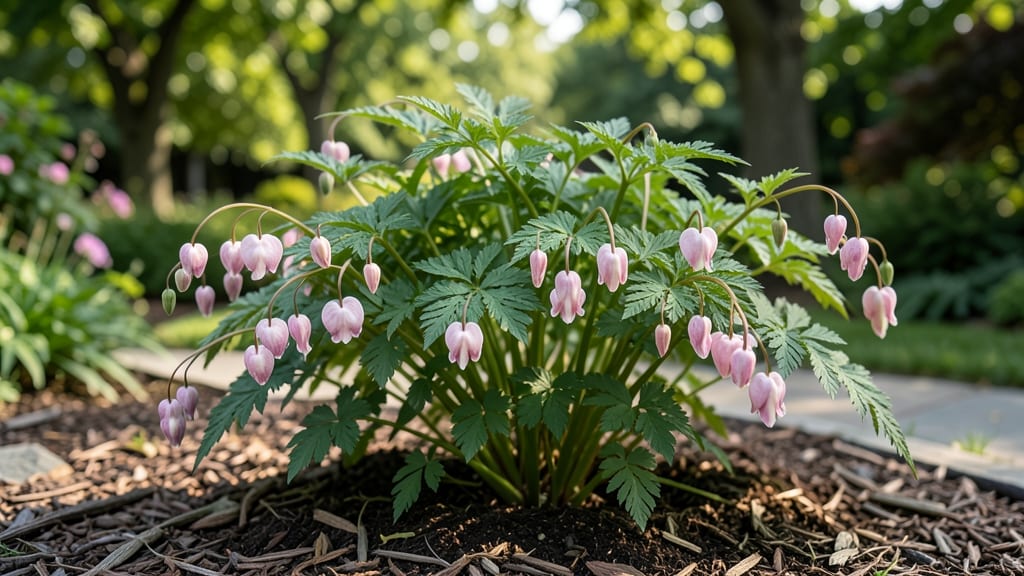
Growing bleeding heart plants in Florida’s steamy shade feels like cheating—these delicate beauties thrive where others wilt. 💚 The secret lies in mimicking their native woodland habitats, where humidity and filtered light keep them lush.
Most Florida gardeners assume they’ll fail, but with the right approach, you’ll get heart-shaped blooms from February through May—longer than in cooler climates. The key is partial shade (morning sun, afternoon shade) and moist, well-draining soil. Florida’s summer heat stresses them, so mulch heavily to keep roots cool.
I’ve seen them bolt in June without protection—don’t let that happen to yours. Choose varieties like Dicentra spectabilis ‘Alba’ for pure white blooms that stand out against dark foliage. You’ll love how they transform shady corners into living art.
The fern-like leaves create texture year-round, while the pink or white flower spikes feel like a secret garden. Just avoid full sun or soggy soil, and you’ll enjoy them for 5-10 years with minimal care.
For Florida’s toughest conditions, consider Dicentra formosa (Pacific bleeding heart) or Lamprocapnos spectabilis (Asian bleeding heart)—both handle humidity better. But stick with the classic if you want that iconic, old-fashioned charm.
📚 In This Guide
- What you need
- Instructions
- Tips and common mistakes
- Wrapping up and next steps
What you need
- ● Bleeding heart plant: 1-3 nursery-grown plants (choose Dicentra spectabilis or Dicentra eximia for Florida’s partial shade).
- ● Well-draining potting mix: 5 gallons (or enough to fill your chosen container). Opt for a mix with 30-40% perlite or orchid bark to prevent root rot.
- ○ Container (optional but recommended): 1-2 10-12 inch-wide pots with drainage holes (terracotta or fabric pots work best).
- ● OR a partial-shade garden bed with 2-3 feet of space per plant (amend soil with compost if needed).
- ● Mulch: 2-3 inches of pine bark or shredded leaves to retain moisture and regulate temperature.
- ● Slow-release fertilizer: 1 tablespoon of balanced 10-10-10 or organic compost per plant (applied at planting).
- ● Pruning shears: Small, sharp pair for trimming dead foliage (sterilize with rubbing alcohol).
- ● Gloves: A pair of gardening gloves (nitrile-coated for humidity resistance).
- ● Watering can or hose with a gentle spray nozzle: For deep but not soggy watering.
- ● Shade cloth (30-50% coverage): If planting in Florida’s harsh afternoon sun (even partial shade can help!).
- ● Stakes or small trellis: For Dicentra eximia (fragile fern-like varieties) to support delicate stems.
- ● pH test kit: To check soil pH (ideal range: 6.0-7.0; amend with lime or sulfur if needed).
Step-by-Step guide to growing bleeding heart plants in Florida’s humid climate
Here’s how to cultivate these delicate beauties thriving in Florida’s shade and humidity.
🌿 Step 1: Select the Right Location for Optimal Growth
Bleeding heart plants (Dicentra spectabilis) crave partial to full shade, especially in Florida’s intense sun. Choose a spot with morning sun and afternoon shade—this prevents leaf scorch while still providing enough light for flowering. In North Florida, where shade is scarcer, opt for dappled sunlight under tall trees or a north-facing wall. The ideal location is where the soil stays consistently moist but not waterlogged.
I like to test the spot by observing how other shade-loving plants like ferns or hostas grow nearby. If they thrive, your bleeding heart will too. Avoid areas where water pools after rain—these plants despise soggy roots. Amend the soil with 2-3 inches of organic mulch (like shredded bark) to retain moisture and regulate temperature.
🪴 Step 2: Prepare the Soil for Healthy Root Development
Bleeding hearts prefer rich, well-draining, slightly acidic soil with a pH between 6.0 and 7.0. In Florida’s sandy soils, mix in 2-3 inches of compost or aged manure to improve fertility and moisture retention. Avoid heavy clay soils—amend them with peat moss or coconut coir to loosen the texture. A soil test kit ensures you’re hitting the right pH before planting.
Dig a hole twice as wide as the root ball but only as deep as the container’s base. This prevents burying the crown too deeply, which can cause rot. Gently tease the roots if they’re circling in the pot—this encourages outward growth. Place the plant so the top of the root ball sits just below soil level to avoid exposing roots during watering.
💧 Step 3: Water Deeply and Maintain Consistent Moisture
Bleeding hearts need consistent moisture, especially during Florida’s dry spells. Water deeply 1-2 times per week, ensuring the soil stays evenly damp but not soggy. The first 2-3 weeks after planting are critical—water whenever the top 1-2 inches of soil feel dry. Overhead watering can cause fungal issues, so use a soaker hose or drip irrigation to deliver water at the base.
Mulch heavily (3-4 inches) to lock in moisture and suppress weeds. In summer, you may need to water every 3-4 days if temperatures exceed 90°F. Watch for wilting leaves—this is your cue to water immediately. Bleeding hearts are drought-sensitive but hate standing water, so balance is key.
✂️ Step 4: Fertilize and Prune for Long-Term Health
Feed your bleeding heart in early spring with a balanced, slow-release fertilizer (10-10-10) applied at half the recommended rate. Too much nitrogen promotes leafy growth at the expense of flowers. In Florida’s humid climate, avoid fertilizing after mid-summer—this encourages late-season growth that won’t harden off before winter. Instead, top-dress with compost in fall to replenish nutrients.
Deadhead spent blooms to encourage more flowers, but don’t cut back foliage until after flowering (usually late spring). In late summer or early fall, cut back the foliage by one-third to tidy the plant and promote new growth. Bleeding hearts are hardy to USDA Zone 3, but in South Florida’s mild winters, they may stay green year-round—just reduce watering in dormancy.
☀️ Step 5: Protect from Pests and Winter Conditions
Watch for aphids, slugs, and snails—common pests in Florida’s humidity. Aphids cluster on new growth; blast them off with a strong spray of water or use neem oil as a preventative. Slugs leave telltale holes in leaves—set out beer traps or copper barriers for organic control. Avoid chemical pesticides, as they can harm beneficial insects.
In North Florida, bleeding hearts may go dormant in winter. Leave the foliage until spring—it insulates the roots. In South Florida, where winters are mild, they often stay evergreen. If your plant drops leaves, reduce watering by half until new growth appears in early spring. With proper care, your bleeding heart will reward you with heart-shaped blooms for years.
Tips & tricks for thriving bleeding heart plants in Florida
Between us, Florida’s humidity and sandy soils can make or break your bleeding heart plants. Here’s what I’ve learned to keep them flourishing year after year.
Location Intelligence: When selecting your spot in Step 1, pay attention to how nearby trees cast shade—look for areas where the ground stays cool even at midday. I’ve found that bleeding hearts planted under the drip line of live oaks (where sunlight filters through the canopy) get just the right balance of light and protection. Avoid areas where water pools after rain, as soggy roots are their Achilles' heel.
Soil Science: In Step 2, don’t skip the soil test—Florida’s pH can vary dramatically even within yards. If your soil tests above 7.0, mix in sulfur or peat moss to lower the pH gradually. I’ve had success using pine bark fines in the hole mix, as they help maintain that slightly acidic environment while improving drainage. Remember, the goal is a loamy texture that holds moisture without suffocating roots.
Watering Wisdom: The 3-4 inches of mulch in Step 3 isn’t just for looks—it’s your moisture insurance policy. In South Florida’s heat, I’ve seen mulched plants go 10 days without supplemental watering while unmulched ones wilted in half that time. For the first 2-3 weeks, check soil moisture daily—these plants are particularly vulnerable to transplant shock in Florida’s intense summers.
Pest Prevention: In Step 5, I’ve found that neem oil applications every 6 weeks during growing season create a protective barrier against aphids and slugs. For slugs specifically, I place copper tape around containers and use diatomaceous earth in a ring around plants—it’s non-toxic but deadly to slugs. The key is consistency; I check for pests every Tuesday morning during Florida’s rainy season.
Pro Tips for Bleeding Heart Plant Florida
- Between us, Florida’s humidity and sandy soils can make or break your bleeding heart plants.
- Location Intelligence: When selecting your spot in Step 1, pay attention to how nearby trees cast shade—look for areas where the ground stays cool even at midday.
- Soil Science: In Step 2, don’t skip the soil test—Florida’s pH can vary dramatically even within yards.
Frequently asked questions
Got questions about growing Bleeding Heart (Dicentra spectabilis) in Florida’s humid climate? You’re not alone! Here are answers to the most common concerns—from care tips to troubleshooting—so you can keep your plant thriving.
Is Bleeding Heart really cold-hardy enough for Florida’s winters?
While it’s technically cold-hardy (USDA Zones 3-9), Florida’s mild winters are ideal—just avoid freezing temps below 20°F. In North Florida, mulch heavily or plant in protected microclimates (like near walls). South Florida’s warm winters mean it may bolt (flower early) or struggle in full sun—opt for partial shade.
How often should I water my Bleeding Heart in Florida’s heat?
Keep soil consistently moist but not soggy—water 2-3x weekly in summer, more often if potted. Mulch (2-3 inches) retains moisture and mimics Florida’s natural humus-rich soil. Yellowing leaves? It’s often overwatering or poor drainage. Amend soil with organic compost for better aeration.
Why isn’t my Bleeding Heart flowering?
Common culprits:
- Too much sun: Florida’s intense light can stress it—stick to dappled shade (30-50% sunlight).
- Over-fertilizing: Bleeding Hearts hate rich soil. Use a balanced 10-10-10 lightly in spring.
- Old plants: After 3-4 years, divide clumps in early spring to rejuvenate blooms.
What are the best Florida-friendly alternatives if Bleeding Heart struggles?
If humidity or pests (like slugs) are an issue, try these shade-tolerant, Florida-adapted perennials:
Plant
Why It Works
Japanese Painted Fern (Athyrium)
Thrives in wet shade, drought-tolerant once established, and slug-resistant.
Coral Bells (Heuchera)
Low-maintenance, heat-tolerant, and comes in stunning foliage colors.
Toad Lily (Tricyrtis)
Blooms in fall/winter (great for Florida’s cooler months) and loves humidity.
How do I protect my Bleeding Heart from Florida pests?
Bleeding Hearts are magnets for slugs, snails, and deer in Florida. Combat them with:
- Copper barriers around pots or beds (slugs hate the electric shock!).
- Diatomaceous earth (food-grade) around the base—reapply after rain.
- Deer repellent sprays (like Liquid Fence) if browsing is an issue.
- Avoid overhead watering at night to reduce slug activity.
Wrapping up and next steps
The bleeding heart plant (Dicentra spectabilis) is a stunning, shade-loving perennial that thrives beautifully in Florida’s humid climate—adding elegance and charm to gardens with its heart-shaped blooms. With the right care, soil, and placement, you’ll enjoy its vibrant foliage and delicate flowers for years. 🌿
Ready to bring this dreamy plant to your Florida landscape? Start by selecting a spot with partial to full shade, well-draining soil, and consistent moisture.
Whether you’re a seasoned gardener or just beginning, your bleeding heart plant will reward you with effortless beauty. Grab your gloves and get planting! 🌱