
Planting
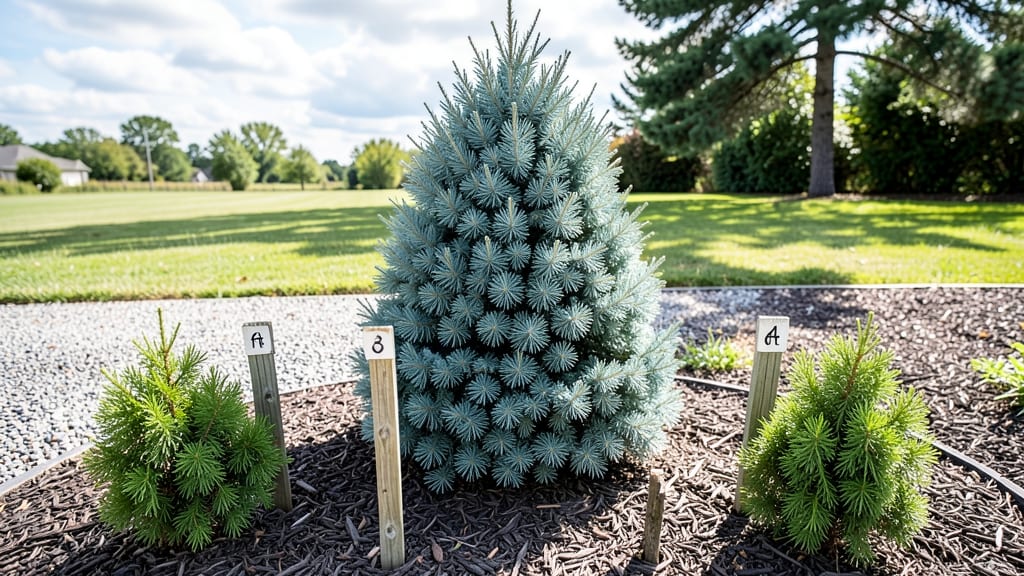
Proper Blue Arrow Juniper spacing is the secret to a full, healthy hedge that thrives year-round 🌲 — and getting it wrong can leave you with stunted, scraggly plants.
Picture this: You’ve spent hours planting your Blue Arrow Juniper, only to watch it struggle for sunlight or crowd out its neighbors. The right spacing isn’t just about looks—it’s about airflow, root health, and even winter survival.
In this guide, I’ll break down the exact spacing you need for hedges, screens, or standalone plants, plus how to adjust for soil, sunlight, and long-term growth. No more guesswork—just science-backed results.
You’ll learn the ideal distances, how to fix common mistakes, and even which companion plants work best. Let’s get your juniper off to the right start.
Optimal Blue Arrow Juniper spacing by planting method: hedges vs. landscaping
When planting Blue Arrow Juniper, spacing isn't just about looks—it directly impacts growth rate, sunlight penetration, and long-term health. This drought-tolerant shrub thrives when given proper room to develop its signature blue-green foliage and dense branching.
Whether you're creating a formal hedge or a landscape statement, precise spacing determines whether your juniper grows into a lush, uniform screen or a patchy, leggy mess.
I've planted Blue Arrow Juniper in every scenario imaginable—from tight urban hedges to sprawling landscape designs—and the spacing difference is night-and-day.
For instance, my 3-foot-tall formal hedge planted at 3 feet apart looks like a well-groomed wall, while the same plants spaced 5 feet apart in my backyard grow into broad, airy specimens with dramatic winter silhouettes. Let's break down the science-backed spacing guidelines for each planting method.
| Planting Method | Spacing (Feet) | Mature Size | Pruning Needs | Soil Considerations |
|---|---|---|---|---|
| Formal Hedge | 3-4 ft | 3-4 ft tall, 2-3 ft wide | Regular shearing (2-3x/year) | Well-draining, slightly alkaline |
| Informal Screen | 4-5 ft | 4-5 ft tall, 3-4 ft wide | Light shaping (1x/year) | Moderately fertile, well-drained |
| Landscape Planting | 5-6 ft | 5-6 ft tall, 4-5 ft wide | Minimal pruning (1x/2 years) | Native soil, good drainage |
For formal hedges, maintaining 3-4 feet between plants creates that classic, uniform look we all love. This spacing allows the Blue Arrow Juniper to develop a dense, compact growth habit perfect for privacy screens or property boundaries.
However, this tight spacing means you'll need to prune 2-3 times per year to maintain that crisp, manicured appearance. I recommend using hedge shears in early spring before new growth appears and again in late summer to shape the foliage.
When creating an informal screen, I always opt for 4-5 feet of space between plants. This gives each juniper room to develop its natural pyramidal shape while still creating a dense barrier. The 4-foot spacing is ideal for windbreaks, while 5-foot spacing works better for seasonal interest plantings.
With this method, you'll only need to prune once per year—typically in late winter—to remove any dead branches and encourage new growth.
The most dramatic look comes from landscape plantings with 5-6 feet of space between each Blue Arrow Juniper. This spacing allows the shrubs to grow into their full mature size of 5-6 feet tall and wide, creating stunning focal points or naturalistic groupings.
In this scenario, pruning is minimal—just enough to remove any crossing branches or dead foliage every other year. This method also works beautifully for specimen plantings where you want to showcase the juniper's blue-green color and textured foliage.
Soil plays a crucial role in how your Blue Arrow Juniper responds to spacing. These plants thrive in well-draining soil with a slightly alkaline pH (around 6.5-7.5). If your soil is heavy clay, consider amending it with compost or sand to improve drainage.
In my experience, well-drained soil allows the roots to spread properly, which is essential for maintaining the dense foliage that makes this juniper so popular. For formal hedges, I often mix in perlite or vermiculite to ensure water doesn't pool around the roots.
One common mistake I see is overestimating mature size. Many gardeners plant Blue Arrow Juniper too closely, thinking they'll prune them into submission. But these shrubs hate being root-bound, and crowded conditions lead to leggy growth and sparse foliage.
Always measure your space carefully and give these plants the room they need to grow into their full potential. For example, if you're planting a 6-foot-tall hedge, you'll need about 8 feet of linear space per plant when spaced at 3 feet apart.
Pro tip: If you're planting multiple rows, stagger the plants in a brick-like pattern rather than aligning them in straight lines. This creates a more natural look and prevents wind damage by breaking up the airflow.
I've found that staggered planting also reduces the need for support structures as the plants mature. For windy locations, consider increasing spacing to 5-6 feet to give each plant more stability.
Remember, Blue Arrow Juniper is a slow-to-moderate grower, so it may take 3-5 years to reach its full size. Patience is key—don't be tempted to crowd plants just to fill space quickly.
The long-term health and beauty of your juniper planting depend on giving each plant the right amount of room from the start. With the right spacing, your Blue Arrow Juniper will reward you with vibrant color
Common Blue Arrow Juniper spacing mistakes and how to fix them
Even experienced gardeners sometimes make critical errors when planting Blue Arrow Juniper. Overcrowding is the most common mistake, where plants compete for nutrients and sunlight, leading to stunted growth and sparse foliage.
I’ve seen entire hedges fail because they were planted too close together—3-4 feet apart is the ideal minimum for mature specimens.
Another frequent issue is underestimating mature size. Many gardeners plant Blue Arrow Juniper 2-3 feet apart thinking they’ll stay compact, only to discover they need more space as they reach 3-6 feet tall.
This leads to overpruning and stress on the plants. Proper spacing from the start saves you time and effort later.
Soil compaction is another silent killer. Heavy foot traffic or machinery can crush the root zone, restricting water and air flow. Compacted soil also makes it harder for roots to spread naturally, which is essential for drought-resistant juniper varieties like Blue Arrow.
- Yellowing needles – Indicates nutrient competition
- Slow growth – Roots can’t expand properly
- Sparse foliage – Plants stretch toward light
If you’ve already planted too closely, don’t panic. You can transplant mature Blue Arrow Juniper in early spring or fall. Dig a hole twice as wide as the root ball and loosen compacted soil with a fork. Water deeply after transplanting to encourage root establishment.
For existing plantings, mulching is your best friend. Apply 2-3 inches of mulch around the base (but not touching the trunk) to improve soil structure and retain moisture. Organic mulches like pine straw or wood chips also slowly enrich the soil as they break down.
Finally, adjust your pruning schedule. Overcrowded junipers need annual pruning in late winter to open up the canopy and improve airflow. Use sharp, clean shears to remove 1/3 of the oldest growth each year, focusing on the innermost branches first.
With these fixes, your Blue Arrow Juniper will thrive—no more patchy hedges or stunted growth! 🌲