
Planting
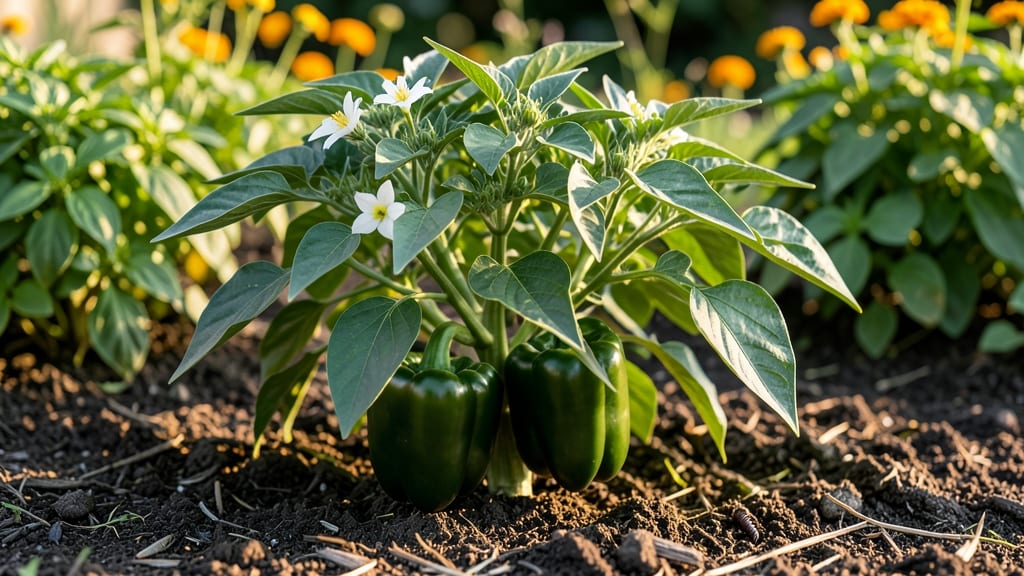
Growing the Bonnie green bell pepper plant from seed gives you crisp, sweet harvests in just 60 days—but only if you nail the warm-season conditions they crave. 🌞 I've grown this variety for three summers now, and the difference between a productive plant and a sad, stunted one comes down to three things: starting too early, skimping on sunlight, and inconsistent watering.
The good news? Once you get these right, you'll be snipping peppers straight from the vine all summer long.
These peppers thrive in full sun (that means 6-8 hours daily, no excuses) and rich, well-draining soil with a pH between 6.0 and 6.8. If your soil feels heavy or compacted, mix in a 2-inch layer of compost before planting—it makes all the difference.
Bonnie peppers are heat-lovers, so wait until after your last frost date (usually late May in most zones) to transplant seedlings, or start seeds indoors 8-10 weeks before that.
What you're really after is a plant that bursts with fruit by mid-summer. With proper care, Bonnie peppers produce 6-10 peppers per plant, each 4-5 inches long and packed with sweet, crisp flavor.
The key is watering deeply 1-2 times per week (more in extreme heat) and fertilizing lightly every 4-6 weeks with a balanced vegetable mix. Avoid overwatering—they hate soggy roots, which leads to blossom-end rot (that's the white, leathery patch on the bottom of peppers).
Even in cooler climates, Bonnie peppers perform well if you give them a head start. Extend the season by using black plastic mulch to warm the soil or planting in raised beds.
And don't toss those ripe peppers—store them in the fridge for up to 2 weeks to enjoy the harvest long after the garden's done producing. Ready to grow your own? Let's get those seeds in the ground.
📚 In This Guide
- What you need
- Instructions
- Tips and common mistakes
- Wrapping up and next steps
What you need
- ● Bonnie Green Bell Pepper Seeds – 5–10 seeds (or 3–5 starter plants if buying transplants).
- ● Containers or Garden Beds – 5–6 inches deep with good drainage. For containers, use 5-gallon pots per plant.
- ● High-Quality Potting Mix – Well-draining, organic mix (e.g., 50% peat moss, 30% perlite, 20% compost).
- ● Slow-Release Fertilizer – Balanced (e.g., 10-10-10 NPK) or organic options like worm castings.
- ● Watering Can or Hose with Gentle Nozzle – Keep soil consistently moist but not soggy.
- ● Plant Tags or Labels – To track planting dates and varieties.
- ● Garden Gloves – Protect your hands from soil and thorns.
- ○ Stakes or Cages (Optional but Helpful) – 3–4 ft tall to support plants as they grow.
- ● Full Sun (6–8+ hours daily) – Choose a warm, sunny spot (peppers hate cold drafts!).
- ● Warm Soil (70°F+) – Peppers need heat to germinate; use a seedling heat mat if starting indoors.
- ● Consistent Watering – Aim for 1–1.5 inches per week; avoid wetting leaves to prevent disease.
- ● pH-Balanced Soil (6.0–6.8) – Test your soil or amend with lime (to raise pH) or sulfur (to lower it).
- ● Mulch (Straw or Black Plastic) – Retains moisture and suppresses weeds.
- ● Liquid Fertilizer (Fish Emulsion or Compost Tea) – Boosts growth during flowering/fruiting.
- ● Row Covers or Cloche – Protects seedlings from early frost or pests.
- ● Pruning Shears – For trimming excess foliage to improve airflow.
- ● Pest Control (Neem Oil or Insecticidal Soap) – Preemptive strike against aphids or spider mites.
Step-by-step instructions for growing Bonnie green bell peppers
Here's how to grow Bonnie green bell peppers from seed to harvest in just 60 days.
🌱 Step 1: Start Seeds Indoors 8-10 Weeks Before Last Frost
Fill small seedling trays with sterile seed-starting mix and plant Bonnie pepper seeds ¼ inch deep. These seeds germinate best in warm soil—keep the tray on a heat mat set to 75-85°F. Mist the soil lightly after planting to keep it consistently moist but never soggy.
Cover the tray with plastic wrap or a humidity dome to trap warmth and moisture. Check daily for condensation—if you see water droplets, remove the cover for 30 minutes to prevent fungal issues. Bonnie peppers typically sprout in 7-14 days, so be patient if germination takes longer in cooler conditions.
Once seedlings emerge, remove the cover immediately and place them under grow lights 14-16 hours daily. Without enough light, seedlings stretch leggy and weak. You'll know they're getting enough light when the stems stay sturdy and leaves are dark green and compact.
💧 Step 2: Harden Off Seedlings Before Transplanting
Two weeks before your last frost date, begin hardening off seedlings by moving them outside for 1-2 hours daily in a sheltered spot. Start with shade and gradually increase sun exposure over 7-10 days. Bonnie peppers are sensitive to cold, so never let temperatures drop below 50°F during this process.
Watch for wilting—the first sign they're not ready for longer outdoor time. If leaves droop, bring them back inside immediately. After a full week of outdoor exposure, your Bonnie peppers should handle direct sunlight without stress. This step prevents transplant shock that can stall growth for weeks.
Choose a sunny spot with 6-8 hours of direct sun daily for transplanting. Bonnie peppers thrive in warm climates but need protection from late frosts. Plant after all danger of frost has passed, typically when soil temperatures reach 60°F.
☀️ Step 3: Plant and Maintain for Optimal Growth
Dig holes 12-18 inches apart in well-draining soil amended with compost. Bonnie peppers prefer slightly acidic to neutral soil (pH 6.0-7.0). Plant seedlings deep enough so the top of the root ball sits ½ inch below soil level—this encourages stronger root development.
Water deeply at planting to settle the soil, then maintain 1 inch of water weekly (more in extreme heat). Avoid wetting the leaves to prevent disease. You'll know your Bonnie peppers are happy when they grow 12-18 inches tall with lush, vibrant foliage. Fertilize lightly with a balanced vegetable formula every 3-4 weeks once flowers appear.
Stake or cage plants early to support heavy fruit production. Bonnie peppers produce prolifically, and unsupported stems can snap under the weight. Prune suckers (small shoots in leaf axils) to direct energy into fruit development. Harvest when peppers reach 3-4 inches long and are firm to the touch.
⏰ Step 4: Harvest and Extend the Season
Bonnie green bell peppers mature in 60-70 days, so plan to harvest continuously through the season. Pick peppers when they're glossy and firm—waiting too long turns them red. Use pruning shears to avoid damaging the stem, and harvest in the morning when peppers are coolest and crispiest.
To extend the harvest, cover plants with row fabric before the first frost. Bonnie peppers tolerate light frosts but stop producing when temperatures drop below 55°F. Save seeds from your best peppers by allowing a few to fully ripen on the plant—these will produce the next year's strongest plants.
Store harvested peppers in the refrigerator for up to 2 weeks or preserve them by freezing, pickling, or drying. The key to a successful Bonnie pepper harvest is consistent warmth, water, and sunlight—give them these basics, and you'll enjoy a bounty of sweet, crisp peppers all season.
Tips & tricks for growing Bonnie green bell peppers
Here's what I wish I knew before growing my first batch of Bonnie green bell peppers—these tricks will help you avoid common pitfalls and maximize your harvest.
Heat Mat Precision: When starting seeds indoors, maintain that 75-85°F soil temperature consistently. I learned this the hard way—fluctuations below 70°F can delay germination by weeks. Use a heat mat with a built-in thermostat to keep it steady, and place a small thermometer in the tray to monitor. If your home gets chilly at night, consider using a greenhouse tray with a built-in heater for extra reliability.
Lighting Secret: Those 14-16 hours of grow lights daily are non-negotiable for Bonnie peppers. I used regular LED bulbs at first, but switched to full-spectrum grow lights after noticing my seedlings stretching toward the light like they were reaching for salvation. Position lights just 2-3 inches above seedlings and adjust as they grow—too close causes burning, too far creates weak stems.
Harden Off Gradually: The 7-10 day hardening off process is where most beginners rush. Start with just 1-2 hours in shade, then slowly increase exposure. I once moved seedlings directly into full sun after 3 days and lost half my plants to shock. Watch for wilting—it's your plant's SOS signal to slow down. A simple trick: place seedlings in a sheltered spot like under a patio cover before moving them to direct sunlight.
Soil Depth Matters: Planting seedlings with the root ball ½ inch below soil level might seem minor, but it makes a huge difference. This encourages stronger root development below the soil line. I used to plant at the exact soil level, and my plants always seemed less sturdy. Think of it like tucking in a blanket—those extra roots get cozy and grow stronger. Just don't bury too deep, or you'll suffocate the stem.
Pro Tips for Bonnie Green Bell Pepper Plant
- Here's what I wish I knew before growing my first batch of Bonnie green bell peppers—these tricks will help you avoid common pitfalls and maximize your harvest.
- Heat Mat Precision: When starting seeds indoors, maintain that 75-85°F soil temperature consistently.
- Lighting Secret: Those 14-16 hours of grow lights daily are non-negotiable for Bonnie peppers.
Frequently asked questions
Got questions about growing your Bonnie Green Bell Pepper plant?
Here are answers to the most common ones—so you can grow confidently and harvest like a pro!
How long does it take for Bonnie Green Bell Pepper plants to mature?
Bonnie Green Bell Pepper plants typically mature in 60–70 days from transplanting, depending on your climate. Start seeds indoors 8–10 weeks before the last frost for an early harvest. If direct-sowing, wait until soil is at least 60°F (15°C)—they’re heat-lovers!
Can Bonnie Green Bell Peppers survive frost?
Nope! These peppers are tender annuals and cannot tolerate frost. If temperatures drop below 50°F (10°C), cover plants with frost cloth or move them indoors. For cold climates, grow in containers so you can relocate them to a sunny spot or greenhouse.
Why aren’t my Bonnie Green Bell Peppers turning green?
If your peppers stay yellow, red, or purple, it’s likely due to temperature or sunlight. Bonnie Greens need full sun (6+ hours/day) and warm soil (70–85°F / 21–29°C). Overcrowding or nitrogen-heavy fertilizer can also delay color. Try thinning plants and switching to a balanced 10-10-10 fertilizer for better results.
What can I plant near Bonnie Green Bell Peppers for better growth?
These peppers thrive with companion plants like basil, marigolds, or onions (which deter pests). Avoid planting near fennel or beans, as they can stunt growth. For a productive garden, interplant with tomatoes, carrots, or lettuce—just keep them spaced well for airflow.
How do I prevent pests from attacking my Bonnie Green Bell Pepper plants?
Common pests like aphids, spider mites, and hornworms can target these peppers. Prevent issues with:
- Neem oil spray (weekly preventive)
- Row covers for early protection
- Hand-picking hornworms (they’re sneaky!)
- Encouraging beneficial insects like ladybugs
Wrapping up and next steps
Growing a Bonnie Green Bell Pepper plant is a rewarding journey that brings fresh, crisp peppers straight to your kitchen in just 60 days! With the right soil, sunlight, and care, you’ll enjoy a bountiful harvest that’s perfect for salads, stir-fries, or stuffing.
Whether you’re a beginner or a seasoned gardener, these sun-loving plants are a fantastic choice for adding flavor and nutrition to your meals.
Now that you’re armed with tips and tricks, roll up your sleeves and get planting! Start with healthy seeds, monitor your plants closely, and soon you’ll be savoring the sweet taste of success. Happy gardening! 🌱✨