
Planting
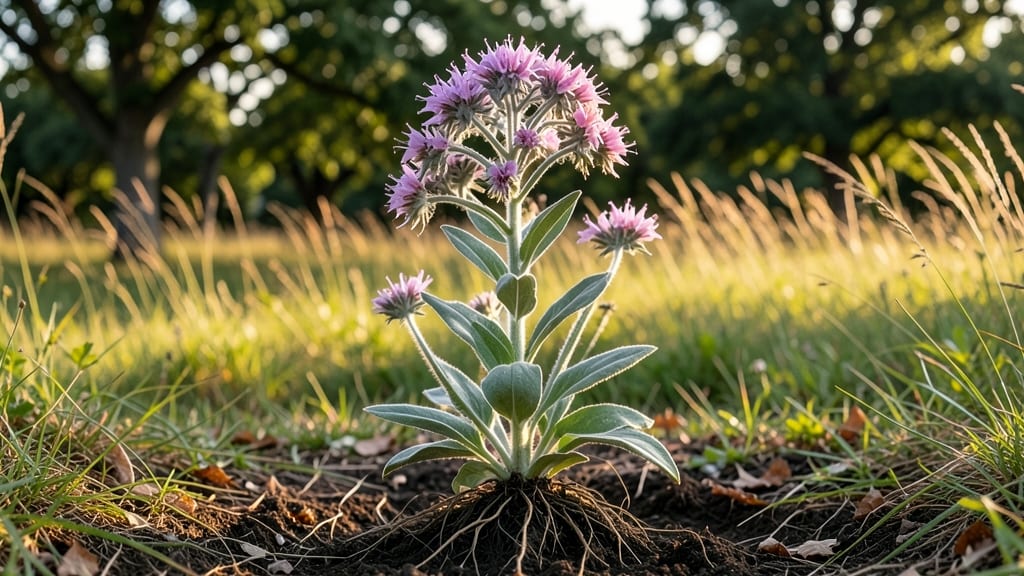
Those tiny yellow specks on your milkweed aren't pests—they're the start of nature's most incredible transformation. 🌱 Finding monarch butterfly eggs means your plant is doing exactly what it should: hosting the next generation of these iconic pollinators.
The eggs themselves are harmless, but what happens next requires a little understanding (and maybe some patience) to support their lifecycle without damaging your garden.
Monarch eggs hatch into caterpillars that will devour your milkweed leaves—up to 20 leaves per caterpillar—before pupating and emerging as butterflies. While this might sound destructive, it's actually beneficial for both the monarchs and your garden's ecosystem.
The caterpillars become food for birds, and the adult butterflies pollinate your flowers. The key is balancing support for the monarchs with keeping your milkweed healthy enough to survive the onslaught.
You'll end up with a thriving milkweed plant that's also a monarch waystation, contributing to conservation efforts right in your backyard. The caterpillars typically take about 2 weeks to mature, and if you provide enough milkweed, they'll move on to pupate before completely defoliating your plant.
The trade-off? A front-row seat to one of nature's most breathtaking cycles.
For gardeners concerned about overpopulation, you can gently relocate caterpillars to other milkweed plants or nearby gardens. This simple act helps distribute the load and ensures no single plant gets overwhelmed.
The result is a garden that's not just beautiful, but actively participating in monarch survival—a win for both you and these delicate orange-and-black travelers.
📚 In This Guide
- What you need
- Instructions
- Tips and common mistakes
- Wrapping up and next steps
What you need
- ● Milkweed plants: 1–3 Asclepias species (e.g., Asclepias tuberosa for orange flowers or Asclepias syriaca for tall stalks). Choose native varieties for your region.
- ● Quantity: At least 1 mature plant (3–5 ft tall) per 100 sq ft of garden space to support egg-laying.
- ● Healthy soil: Well-draining, slightly alkaline (pH 6.5–7.5), and rich in organic matter (compost or aged manure).
- ● Watering can or hose: With a gentle spray nozzle to avoid damaging delicate eggs or caterpillars.
- ○ Gloves (optional): To protect hands when handling milkweed sap (can cause skin irritation).
- ● Pruning shears: For trimming dead leaves or overgrowth (sterilize with rubbing alcohol first!).
- ○ Stake or trellis (optional): To support tall milkweed varieties like Asclepias syriaca.
- ○ Magnifying glass (optional): For spotting tiny monarch eggs (they’re about the size of a pinhead!).
- ○ Journal or camera (optional): To document the metamorphosis journey from egg to butterfly!
- ● Access to sunlight: Milkweed thrives in full sun (6+ hours/day).
- ● Patience! Monarchs may take 1–2 weeks to lay eggs after milkweed blooms.
- ● Pesticide-free zone: Avoid herbicides or insecticides—monarchs are sensitive to chemicals.
Step-by-step guide for nurturing monarch butterfly eggs on milkweed
Watch your milkweed transform into a thriving monarch nursery—here's how to support each life stage safely.
🌱 Step 1: Identify and Locate Fresh Eggs
Monarch eggs are tiny, round, and pale yellow—about the size of a pinhead. Use a magnifying glass to spot them on the undersides of milkweed leaves, where females deposit them singly. I check plants daily after butterfly sightings, as eggs hatch within 3-8 days depending on temperature.
Gently note each egg's location with a toothpick flag or waterproof marker on a stick. Avoid touching eggs directly—your oils can harm the delicate exoskeleton. Focus on healthy milkweed plants with 3-5 mature leaves and no signs of pest damage, as stressed plants may fail to support caterpillars.
🌿 Step 2: Protect Eggs and Monitor Hatching
Place a fine mesh butterfly cage (18x18x24 inches) over the egg-bearing plant to prevent predators while allowing airflow. Secure the cage with soft clips to avoid damaging stems. I use a 50% shade cloth during peak sun hours to maintain 70-85°F temperatures—critical for proper development.
Watch for the first caterpillar to emerge—you'll see a tiny black head appear as the egg splits open. Remove any unhatched eggs after 10 days (they won't survive). Document each hatching date, as this determines when to expect chrysalis formation in 10-14 days.
💧 Step 3: Support Caterpillar Growth
Milkweed leaves must remain fresh and abundant. Water at the base every 2-3 days until the soil feels moist 1 inch down, avoiding wetting leaves (which promotes fungal growth). Feed caterpillars exclusively with milkweed—no other plants, as they contain toxic cardiac glycosides that monarchs need.
You'll see rapid growth: caterpillars shed their skin 5 times before pupating. When they reach 2 inches long, they'll begin wandering in search of a pupation site. Provide a small branch or mesh screen near the plant for chrysalis attachment.
☀️ Step 4: Prepare for Chrysalis Formation
Move the plant to a location with partial shade and 60-75°F temperatures once caterpillars begin wandering. They'll attach to a surface and form a green chrysalis within 24 hours. Gently secure the chrysalis to a vertical support if needed, using soft twine.
Chrysalises are delicate—never handle them directly. Maintain humidity by misting the cage once daily with a spray bottle. Expect the first adult butterfly to emerge in 10-14 days, though some may overwinter as chrysalises in colder climates.
⏰ Step 5: Release New Adults
Release butterflies on a warm (70°F+) day when they've fully extended their wings and rested for 1-2 hours post-emergence. I open the cage gradually to allow them to acclimate to outdoor conditions. Provide a shallow dish of water with damp sponges for hydration during their first hours outside.
Monitor for predators like ants, wasps, or birds by inspecting the cage daily. If you notice damage to eggs or caterpillars, remove the affected plant immediately and quarantine it. Successful releases mean your milkweed will host future generations—monarchs are drawn to healthy, thriving host plants.
Tips & tricks for thriving monarch metamorphosis
Here's what nobody tells you about creating the perfect environment for monarchs to flourish.
Temperature Precision: The 70-85°F range during egg development is non-negotiable—monarchs are cold-blooded and rely entirely on ambient heat. I place my setup near a south-facing window during cooler months to maintain these temperatures naturally. If your space runs cooler, a small heat lamp (set to low) can help, but never let temperatures exceed 85°F or eggs will overheat.
Predator-Proofing Strategy: Beyond the mesh cage, I add a secondary layer of fine netting around the base of the plant to block crawling predators like ants. This creates a complete barrier while still allowing airflow. For extra security, I place a small dish of soapy water near the cage—ants and wasps are drawn to it and drown before they can reach the eggs.
Leaf Quality Check: When selecting milkweed plants, examine the undersides of leaves for tiny black or white specks—these are often early signs of aphids or spider mites. While monarchs can tolerate some pest presence, heavily infested plants will produce bitter-tasting leaves that caterpillars avoid. I treat affected plants with a gentle neem oil spray (mixed at 1 tablespoon per quart of water) before introducing eggs.
Chrysalis Humidity Hack: The once-daily misting recommendation works, but I've found that placing a small tray of water with pebbles beneath the cage creates a more consistent humidity level. The evaporating water maintains moisture without over-saturating the leaves. This is especially helpful in dry climates where caterpillars might struggle to find sufficient humidity for proper chrysalis formation.
Pro Tips for Butterfly Eggs On Milkweed Plant
- Here's what nobody tells you about creating the perfect environment for monarchs to flourish.
- Temperature Precision: The 70-85°F range during egg development is non-negotiable—monarchs are cold-blooded and rely entirely on ambient heat.
- Predator-Proofing Strategy: Beyond the mesh cage, I add a secondary layer of fine netting around the base of the plant to block crawling predators like ants.
Frequently asked questions
Got questions about spotting, caring for, or encouraging butterfly eggs on milkweed? Here are some of the most common queries—and their answers—to help you support monarchs like a pro!
How do I know if a butterfly egg is on my milkweed?
Monarch eggs are tiny (about 1mm wide), round, and pale yellow or white. Look on the underside of leaves—they’re often laid singly. Use a magnifying glass to spot them! Eggs hatch in 3–8 days, so check daily if you’re monitoring.
How long does it take for butterfly eggs to hatch?
Eggs typically hatch in 4–8 days in warm weather (70°F+), but cooler temps can stretch this to 10–14 days. If eggs don’t hatch within 2 weeks, they may have been abandoned or frozen. Pro tip: Keep milkweed in a sunny, sheltered spot to speed up development!
What if I don’t have milkweed? Can I use another plant?
Monarchs only lay eggs on milkweed (Asclepias species). Alternatives like swamp milkweed or tropical milkweed work, but avoid non-native varieties (they can harm monarchs). If you’re starting from scratch, plant seeds in spring or fall for best results.
What should I do if I find a dead caterpillar on my milkweed?
Sadly, predators (ladybugs, ants, wasps) or disease (like Ophryocystis elektroscirrha) can kill caterpillars. If it’s soft, mushy, or covered in white mold, remove it to prevent spreading. If it’s dry and shriveled, it’s likely dead from natural causes. Pro tip: Encourage beneficial insects (like ladybugs) to keep pests in check!
Does the weather affect butterfly egg survival?
Yes! Eggs thrive in warm (60–80°F) conditions but can freeze or dry out in cold or windy weather. If temps drop below 50°F, move potted milkweed indoors (near a sunny window) until spring. Avoid direct heat sources—consistent warmth is key!
Can I transplant milkweed with eggs or caterpillars?
Transplanting is risky but possible if done carefully. Gently uproot the plant (keep soil intact) and replant immediately in similar conditions. Avoid disturbing eggs/caterpillars—use a soft brush if needed. Best time: Early morning or late evening when monarchs are less active.
Wrapping up and next steps
Watching butterfly eggs on milkweed transform into fluttering monarchs is a magical experience that connects you to nature’s wonder. By providing the right host plant—like Asclepias species—you’re not just gardening; you’re nurturing the next generation of these iconic pollinators. 🌿
Ready to take the next step? Start small—plant a single milkweed patch or join a local conservation effort. Every egg laid is a promise of beauty and resilience. Your garden could be the lifeline they need!