
Plants
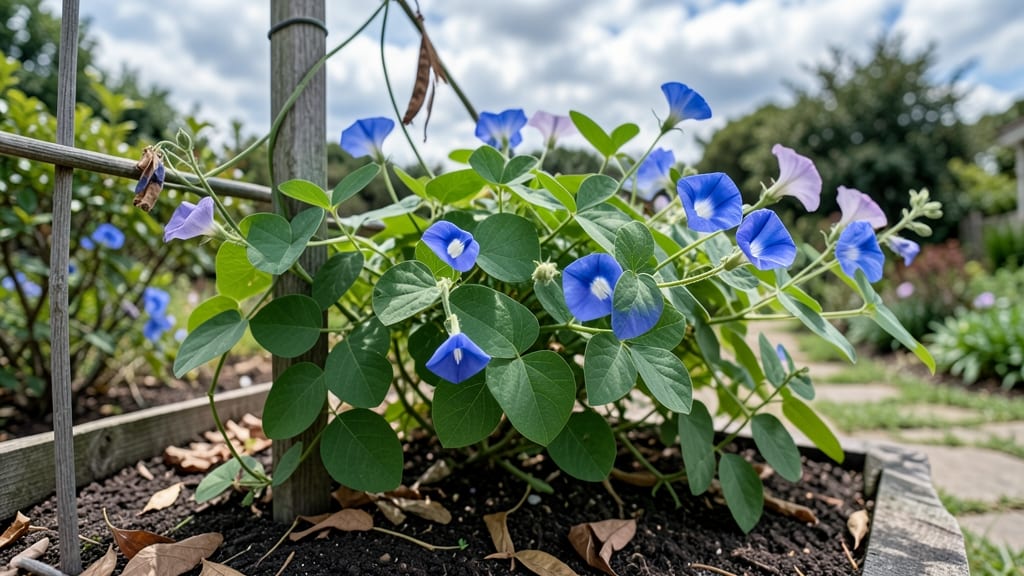
The lifespan of butterfly pea plants spans 1-2 years as perennials in warm climates but is often treated as annuals in cooler regions, where frost quickly ends their cycle. With proper pruning and winter care, you can push their blooming season well beyond a single year.
The butterfly pea plant's longevity hinges on its native tropical origins—these plants thrive in USDA zones 10-12, where they naturally return year after year. 🌿 In cooler zones, gardeners typically replant annually since cold snaps trigger dormancy or fatal damage.
What sets them apart is their resilience: even as annuals, they can produce vibrant blooms for 6-8 months with consistent care, making them a favorite for container gardens and hanging baskets.
Pruning plays a crucial role in extending their life. Regular trimming after flowering encourages new growth, while mulching in winter adds insulation against temperature swings.
I've found that harvesting seeds from mature plants lets you propagate new ones for the next season—essentially creating your own perennial cycle, even in less-than-ideal climates.
💡 In This Article
- Butterfly Pea Plant Growth Stages and Longevity Factors
- Extending Butterfly Pea Plant Life: Pruning and Overwintering Tips
Butterfly pea plant growth stages and longevity factors
Butterfly pea plants (Clitoria ternatea) follow a distinct biological lifecycle shaped by their tropical origins. The journey begins with seed germination, which typically occurs within 7-14 days in warm, moist conditions (70-80°F).
The plant enters its vegetative stage, producing lush green foliage through rapid cell division in the meristem tissues—this phase lasts 4-6 weeks and determines the plant's overall vigor. 🌱 What's fascinating is how this growth pattern mirrors their natural habitat: in tropical climates (USDA zones 10-12), they naturally transition into perennial behavior, returning year after year.
The flowering phase begins around 8-12 weeks after germination, marked by the iconic butterfly-shaped blue flowers that change color with pH. This phase lasts 3-5 months under optimal conditions, but cooler temperatures (below 60°F) trigger dormancy or even death in the plant's tissues.
The key difference between annual and perennial growth lies in the plant's ability to store energy in its roots during dormancy—something that happens naturally in warm climates but requires human intervention (like mulching) in cooler regions.
Light exposure plays a critical role in longevity. Butterfly pea plants thrive in full sun (6-8 hours daily), but they can tolerate partial shade in hot climates. Too little light causes leggy growth and fewer flowers, while excessive heat without shade can scorch the delicate leaves.
The plant's native tropical environment receives consistent sunlight year-round, which explains why they struggle in regions with harsh winters—sudden temperature drops disrupt their metabolic processes and prevent proper energy storage for regrowth.
Soil conditions matter just as much as climate. These plants prefer well-draining soil with a slightly acidic to neutral pH (6.0-7.0). In their natural habitat, the loose, nutrient-rich soil allows their extensive root systems to spread easily, supporting their perennial growth.
In contrast, compacted or waterlogged soil in cooler climates can lead to root rot, effectively cutting their lifespan short. The plant's ability to adapt to different soil types is one reason they're popular in container gardening—where you can control drainage and nutrient levels more precisely.
What most gardeners don't realize is how the plant's flowering cycle directly impacts its longevity. Each flower contains seeds that, when harvested and replanted, can restart the growth cycle. In tropical climates, this natural seed propagation ensures perennial growth.
In cooler regions, this becomes a gardener's tool for extending the plant's life beyond a single season—effectively creating your own perennial cycle through careful seed management. 🌿
Consider these key factors when planning your butterfly pea garden:
- Climate zone: Zones 10-12 support perennial growth; zones 9 and below require annual treatment or winter protection
- Sunlight needs: Minimum 6 hours daily for optimal flowering; provide afternoon shade in extreme heat
- Soil preparation: Amend with compost to improve drainage and nutrient availability
- Watering routine: Keep soil consistently moist but never waterlogged during growth phases