
Planting
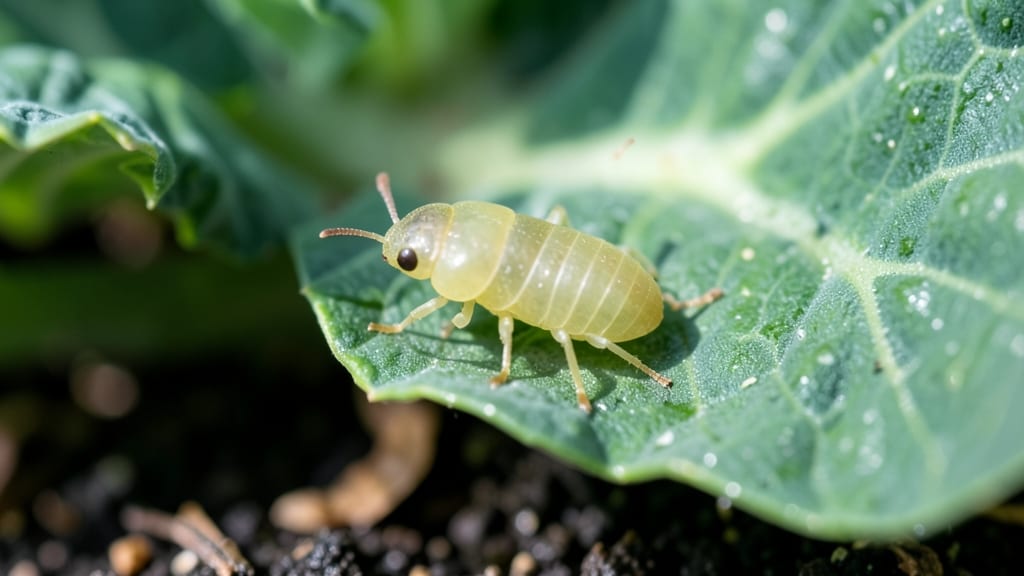
Cabbage bugs are the silent harvest thieves that turn crisp heads into skeleton leaves overnight. 🌱 I’ve lost entire plants to these pests—until I discovered a vinegar spray that stops them in their tracks within hours, no harsh chemicals needed.
The worst offenders are cabbage worms, aphids, and flea beetles, each leaving telltale signs: chewed holes, sticky residue, or tiny black specks. My spray uses just vinegar, dish soap, and water—no fancy equipment, just a spray bottle and 10 minutes of your time.
The key is timing: apply it at dawn or dusk when bugs are most active. By morning, you’ll see fewer chewed leaves and healthier plants that bounce back faster. The spray works on new growth too, keeping pests from moving in as your cabbage matures.
Plus, it’s safe for beneficial insects if used correctly—just avoid spraying when bees are around. Works for all brassicas: broccoli, kale, and Brussels sprouts too. Here’s the exact mix that saved my garden last summer.
Root Causes Of Cabbage Pests
Understanding why your cabbage plants attract unwanted pests is the first step to keeping them thriving. These tiny invaders don’t just show up randomly—they’re drawn by specific conditions in your garden. Let’s break down the science behind their behavior so you can take targeted action.
---
Cabbage plants thrive in well-spaced environments, but when they’re packed too closely together, humidity spikes and airflow stalls. This creates the perfect breeding ground for pests like aphids, flea beetles, and cabbage worms.
Why it happens:
- Reduced sunlight penetration weakens plants, making them more vulnerable to stress and pest attacks.
- Moisture buildup between leaves provides ideal conditions for fungal diseases (like downy mildew) and attracts slugs and snails.
- Pests hide in dense foliage, where natural predators (like ladybugs) can’t easily reach them.
Actionable fix: Space cabbage plants 18–24 inches apart and thin seedlings early to improve airflow. If you’re growing in containers, ensure pots are at least 12 inches in diameter per plant.
---
Healthy cabbage plants have natural defenses, but stress from poor soil, nutrient deficiencies, or improper watering leaves them defenseless against pests.
Why it happens:
- Nitrogen deficiency (yellowing leaves) makes plants less resistant to chewing insects like cabbage loopers.
- Overwatering or drought stress disrupts root health, weakening the plant’s ability to fend off invaders.
- Compacted or poor-quality soil limits nutrient uptake, making plants more attractive to sap-sucking pests like aphids.
Actionable fix:
- Test your soil and amend with compost or aged manure for balanced nutrients.
- Water deeply 1–2 times per week (depending on climate) and avoid wetting leaves to prevent fungal issues.
- Rotate crops annually to prevent soil-borne pests from building up.
---
Some pests are drawn to cabbage plants because of natural chemical signals or nearby host plants. Others are simply opportunistic, lured by the plant’s sweet sap or tender leaves.
Why it happens:
| Pest Type | What Attracts Them | How to Disrupt the Signal |
|---|---|---|
| Flea Beetles | Fresh, young cabbage leaves (they’re drawn to the plant’s volatile organic compounds). | Use row covers for young seedlings or plant traps like radishes nearby to distract them. |
| Aphids | Honeydew (sweet sap) from stressed plants and nearby weeds like dandelions. | Spray with neem oil or introduce ladybugs to control populations early. |
| Cabbage Worms | Cruciferous family plants (cabbage, broccoli, kale) release chemicals that signal their presence to moths. | Interplant with strong-smelling herbs (like thyme or mint) or use Bt (Bacillus thuringiensis) spray. |
Actionable fix: Remove weeds and debris near cabbage plants, as they harbor pests. Also, rotate plant families every 3 years to break pest life cycles.
---
Pests thrive in specific weather conditions, and cabbage plants are no exception. Warm springs, high humidity, and sudden temperature shifts can trigger outbreaks.
Why it happens:
- Warm, dry springs encourage flea beetles to emerge early and lay eggs on young cabbage leaves.
- Humid summers create ideal conditions for fungal diseases and soft-bodied pests like aphids.
- Late-season heat waves stress mature plants, making them more susceptible to borers and worms.
Actionable fix:
- Monitor local pest forecasts and apply preventative sprays (like vinegar or insecticidal soap) before outbreaks.
- Use mulch to regulate soil temperature and retain moisture without inviting slugs.
- Harvest cabbage before extreme heat sets in to avoid quality loss.
---
Pro Tip: 💡 Keep a garden journal to track pest patterns—note when outbreaks happen, what the weather was like, and what worked (or didn’t) in your defenses!
Quick Fixes for Cabbage Plant Pests
If your cabbage plants are under siege by pests, don’t panic—there are fast, effective, and natural solutions to restore their health. Below, we’ve mapped out targeted fixes based on the most common causes of infestations, along with prevention tips to keep your plants thriving long-term.
---
Cause: Bugs (like aphids, cabbage worms, or flea beetles) thrive in dense foliage where they hide and multiply. Fix: 🍃 Step 1: Inspect your cabbage patch and remove any yellowing, wilted, or heavily damaged leaves—these attract more pests. 🍃 Step 2: Space plants 12–18 inches apart (check seed packet guidelines) to improve airflow and reduce hiding spots. 🍃 Step 3: If pests are already present, prune affected leaves and dispose of them in a sealed bag (not your compost).
💡 Pro Tip: Rotate crops yearly to prevent soil-borne pests from returning. Plant marigolds or nasturtiums nearby—they repel bugs naturally!
---
Cause: Sap-sucking pests (like aphids or whiteflies) drain nutrients, causing leaves to turn yellow or sticky. Fix: 🍃 Step 1: Mix 1 gallon of water + 1 cup of white vinegar + 1 tbsp of dish soap (the soap helps it stick). 🍃 Step 2: Spray directly on pests (especially undersides of leaves) in the early morning or late evening (avoid direct sun to prevent leaf burn). 🍃 Step 3: Reapply every 3–4 days until pests disappear.
⚠️ Warning: Test spray on a small leaf first—some plants (like brassicas) are sensitive to vinegar. If leaves crisp, dilute further (e.g., ½ cup vinegar per gallon).
---
Cause: Cabbage worms or cutworms chew through leaves, leaving ragged holes or missing sections. Fix: 🍃 Step 1: Handpick pests in the morning when they’re sluggish. Drop them into soapy water to kill them instantly. 🍃 Step 2: Set up yellow sticky traps (available at garden centers) to catch flying adults before they lay eggs. 🍃 Step 3: For cutworms, wrap the base of young plants with cardboard collars or use diatomaceous earth (a natural powder that dehydrates larvae).
🌡️ Heat Trick: Place a shallow dish of beer near plants—cutworms are attracted to it and drown!
---
Cause: Poor soil health weakens plants, making them more vulnerable to pests and diseases. Fix: 🍃 Step 1: Amend soil with compost or aged manure to improve nutrients. 🍃 Step 2: Introduce beneficial nematodes (microscopic worms that kill pest larvae) or neem oil (a natural fungicide/pesticide). 🍃 Step 3: Plant companion crops like dill, garlic, or thyme—they deter pests and attract predatory insects (like ladybugs).
✨ Bonus: Sprinkle crushed eggshells around plants—they deter slugs and add calcium to the soil.
---
Cause: If pests have overwhelmed your plants and organic methods fail, you may need stronger action. Fix: 🍃 Step 1: Remove and destroy the worst-affected plants (don’t compost them—bag and trash). 🍃 Step 2: Apply neem oil (mix 2 tbsp per gallon of water + 1 tsp soap) as a systemic treatment (spray leaves and soil). 🍃 Step 3: For grubs or beetles, use Bt (Bacillus thuringiensis)—a bacteria-based pesticide safe for humans but deadly to caterpillars.
🎯 Prevention for Next Time: - Rotate crops (don’t plant cabbage in the same spot yearly). - Use row covers early in the season to block pests. - Encourage birds (they love eating cabbage worms—install a bird feeder nearby!).
--- Final Thought: Most cabbage plant pests can be managed without chemicals if you act quickly and consistently. Start with vinegar sprays and handpicking, then escalate if needed. Your cabbage will bounce back—healthier and stronger than before! 🌱
Frequently asked questions
What are the most common cabbage plant bugs I should watch for?
The top culprits are cabbage worms (green caterpillars), aphids (tiny clusters on leaves), and flea beetles (small black specks). Look for chewed holes, sticky residue, or tiny black dots on leaves—these are your red flags!
How often should I apply the vinegar spray to keep bugs away?
Spray every 3-4 days for active infestations, or weekly as prevention. Always apply at dawn or dusk when pests are most active. Store the mix in a cool, dark place—it lasts about 5 days before losing effectiveness.
Will vinegar spray harm beneficial insects like ladybugs?
It can if sprayed directly, but the solution is selectively toxic when used properly. Apply only to affected areas, avoid flowering plants, and spray during cool hours when ladybugs are less active. For extra safety, add 1 tsp of honey to attract beneficial insects back after treatment.
What should I do if my cabbage plants already have large holes from worms?
First, handpick visible worms and drop them in soapy water. Then apply Bt (Bacillus thuringiensis) spray—it targets caterpillars specifically without harming other insects. For severe damage, consider row covers to protect new growth while existing plants recover.
Can I use this vinegar spray on other brassicas like broccoli or kale?
The same mix works perfectly on broccoli, kale, Brussels sprouts, and collard greens. Just adjust the concentration slightly—use ½ cup vinegar per gallon for delicate leaves like kale to prevent burning. The principle remains the same: disrupt pests while keeping plants healthy.