
Planting
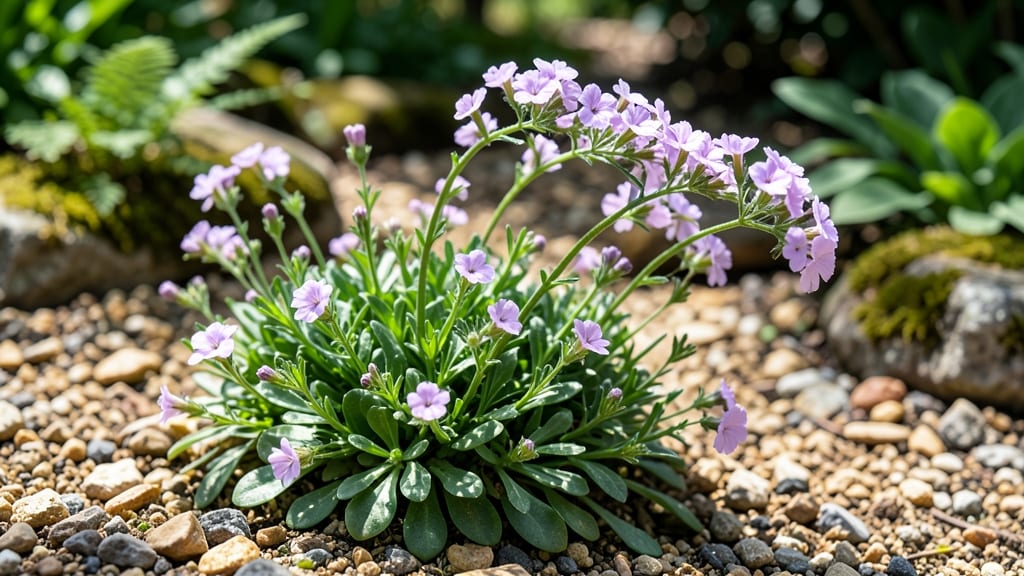
The gooseneck perennial plant Physostegia virginiana brings a wild, graceful charm to gardens that lasts all season long. 🌿 I fell for them the first time I saw their arching flower spikes swaying in a summer breeze—like nature’s own decorative arches.
These cold-hardy plants thrive where many others struggle, offering both beauty and resilience. They’re surprisingly low-maintenance once established, loving well-drained soil and 4-6 hours of sunlight daily. Water consistently during their first year to help roots spread, but after that, they handle drought surprisingly well.
The real magic happens in late summer when those lavender-pink flower spikes appear, attracting pollinators while adding vertical interest to borders. Pruning is simple: cut back dead stems in early spring and trim spent blooms after flowering. For propagation, divide clumps every 3-4 years to keep them vigorous.
The foliage even stays attractive in winter, adding texture to dormant gardens. Perfect for cottage gardens, woodland edges, or even containers. Once you plant one, you’ll want a whole archway of them!
📚 In This Guide
- What you need
- Instructions
- Tips and common mistakes
- Wrapping up and next steps
What you need
- ● Gooseneck perennial plant: 1–3 plants (e.g., Aruncus dioicus, Astilbe, or Clematis varieties like ‘Jackmanii’)
- ● Choose cold-hardy varieties (Zones 3–8)
- ● Garden soil: Well-draining, rich in organic matter (amend with compost if needed)
- ● Fertilizer: Balanced 10-10-10 or slow-release granular fertilizer (1 cup per plant)
- ○ Optional: Bone meal (1 tbsp) for phosphorus boost
- ● Mulch: 2–3 inches of shredded bark or straw (to retain moisture)
- ● Watering can or hose: With a gentle spray nozzle
- ● Garden trowel or shovel (for digging)
- ● Pruning shears (sterilized with rubbing alcohol)
- ● Gloves (to protect hands from thorns or soil)
- ○ Support structure (optional but helpful): Trellis, obelisk, or sturdy stakes (for climbing varieties like clematis)
- ● 3–5 feet tall, depending on vine growth
- ● Sunlight & space: Partial shade to full sun (4+ hours/day)
- ● 3–6 feet of vertical/horizontal space (check plant tags)
Step-by-step guide to planting and maintaining gooseneck perennials
These cold-hardy vines thrive with the right placement and care—here's how to cultivate their signature arching beauty.
🌱 Step 1: Select the Perfect Planting Location
Gooseneck perennials adore full sun to partial shade, with at least 6 hours of direct sunlight daily. I always choose a site with morning sun and afternoon shade in hot climates—this prevents leaf scorch while maintaining vigorous growth. The vines naturally arch, so plant them near trellises, arbors, or along fences where their graceful curves can cascade.
Check the soil pH before planting—these vines prefer 6.0 to 7.0. Amend heavy clay with 2-3 inches of compost to improve drainage, as waterlogged roots invite fungal diseases. I dig a hole twice as wide as the root ball but only as deep, ensuring the crown sits just above soil level. This prevents rot during winter freezes.
☀️ Step 2: Plant and Stake for Structural Support
Set the plant in the hole and backfill with native soil, tamping gently to eliminate air pockets. I always add a 1-inch layer of mulch immediately after planting to retain moisture and regulate soil temperature. Use organic mulch like shredded bark or straw—avoid rocks, which don't break down and can alter soil chemistry over time.
Install a 3-4 foot tall trellis or arbor within 6-12 inches of the planting site. Gooseneck vines need support to display their signature arching habit. I tie the main stems loosely with soft garden twine, adjusting as they grow. Never use wire or tight bindings—these can girdle the delicate stems as they thicken.
💧 Step 3: Water Deeply and Establish a Routine
Water deeply once weekly during the first growing season, aiming for 1-1.5 inches of moisture per week. Check soil moisture by pushing your finger 2 inches deep—if it feels dry, water again. Overhead watering encourages fungal diseases, so I use a soaker hose placed at the base of the plant. This delivers water directly to the roots while keeping foliage dry.
Fertilize lightly in early spring with a balanced 10-10-10 formula applied at half-strength. Gooseneck perennials are moderate feeders and don't respond well to heavy fertilization. I avoid phosphorus-heavy mixes, which can promote excessive leaf growth at the expense of flowering. Instead, focus on potassium to support winter hardiness.
✂️ Step 4: Prune for Shape and Winter Preparation
Prune in late winter or early spring to remove dead or crossing stems. I cut back any growth that died back during winter to 6 inches above the ground, which encourages fresh, vigorous shoots. Never prune into old wood—these vines are semi-woody, and severe cuts can take years to recover.
After flowering, shear back spent blooms by one-third to maintain shape and encourage a second flush of flowers. I always use clean, sharp pruners to make 45-degree cuts just above a leaf node. This prevents ragged growth and reduces the risk of disease entry points. In fall, apply a 3-inch layer of mulch around the base to insulate roots during winter.
🌿 Step 5: Monitor for Pests and Seasonal Adjustments
Watch for aphids or spider mites, which love the tender new growth. I treat infestations with a strong spray of water first—this often dislodges pests without chemicals. For persistent issues, use neem oil applied in the early morning to avoid harming beneficial insects. Avoid broad-spectrum pesticides, which can disrupt the natural predators that keep pest populations in check.
In late summer, reduce watering slightly to harden off the vines for winter. This gradual adjustment helps them tolerate colder temperatures. Gooseneck perennials are cold-hardy down to -15°F, but young plants may need winter protection their first year. I mound extra mulch around the base and cover with burlap if temperatures drop unexpectedly early.
Tips & tricks for perfect gooseneck perennial plant care
These cold-hardy vines reward patience with stunning seasonal displays—here's how to maximize their potential without common pitfalls.
Sunlight Strategy: While the instructions mention full sun to partial shade, I've found that morning sun with afternoon shade in hot climates (like zones 7-9) actually produces more abundant flowering. The key is avoiding that intense afternoon sun that can scorch leaves while still getting those crucial 6 hours of morning light for photosynthesis. If your location gets brutal afternoon sun, consider a 30% shade cloth during peak summer hours.
Soil Preparation Secret: The 2-3 inches of compost recommendation is perfect, but I take it a step further by mixing in a handful of mycorrhizal fungi powder with the compost. This beneficial fungus forms a symbiotic relationship with the roots, improving nutrient uptake and drought tolerance. It's especially helpful in the first growing season when roots are establishing. Just sprinkle it around the roots before backfilling—it's like giving your plant a superpower from day one.
Support System Hack: For the 3-4 foot tall trellis recommendation, I always opt for a slightly taller structure (4-5 feet) when possible. Gooseneck perennials have a natural tendency to grow even taller when given the opportunity, and the extra height allows their signature arches to develop more dramatically. Use soft plant ties that can stretch as the stems thicken—nylon stockings work perfectly and won't damage the bark as they grow.
Watering Wisdom: The once-weekly watering guideline works beautifully, but I've learned that timing matters just as much as quantity. Water in the early morning (before 9am) to allow foliage to dry completely by evening, which prevents fungal diseases. In containers, I actually increase to twice-weekly watering during summer months because potted plants dry out faster. Always water at the base rather than overhead to keep those leaves dry and healthy.
Pro Tips for Gooseneck Perennial Plant
- These cold-hardy vines reward patience with stunning seasonal displays—here's how to maximize their potential without common pitfalls.
- Sunlight Strategy: While the instructions mention full sun to partial shade, I've found that morning sun with afternoon shade in hot climates (like zones 7-9) actually produces more abundant flowering.
- Soil Preparation Secret: The 2-3 inches of compost recommendation is perfect, but I take it a step further by mixing in a handful of mycorrhizal fungi powder with the compost.
Frequently asked questions
Got questions about growing and caring for gooseneck perennials? You’re not alone! Here are some of the most common queries—plus straightforward answers to help you keep your vines thriving year-round.
What are the best gooseneck perennial varieties for cold climates?
If you’re in a chilly zone (USDA zones 3–7), opt for Aruncus dioicus (goat’s beard) or Astilbe varieties like ‘Deutschland’—both handle frost beautifully. For bold foliage, Persicaria polymorpha (Purple Dragon) is a standout. Always check your local nursery for cold-hardy cultivars!
When is the ideal time to plant gooseneck perennials?
Plant in early spring (after the last frost) or early fall (6–8 weeks before your first frost). This gives roots time to establish before extreme temperatures. Avoid planting in summer heat—it stresses young plants. Pro tip: Soak the root ball before transplanting for a smoother transition!
How often should I water gooseneck perennials?
Water deeply once a week (or more in extreme heat) during the first growing season to encourage strong roots. Once established, they’re drought-tolerant but appreciate 1 inch of water weekly. Mulch around the base to retain moisture and protect roots in winter. Overwatering can lead to root rot—so always check soil moisture first!
Can gooseneck perennials grow in containers?
Choose large containers (12+ inches deep) with drainage holes and a well-draining potting mix. Varieties like Heuchera (coral bells) or Lamium thrive in pots. Just remember: Container plants dry out faster, so monitor soil moisture closely. Rotate pots occasionally for even growth!
What pests or diseases should I watch for with gooseneck perennials?
Keep an eye out for aphids, slugs, and powdery mildew—especially in humid climates. Neem oil or insecticidal soap works for pests, while improved airflow (prune crowded foliage) prevents mildew. If leaves yellow or wilt, check for root rot (overwatering) or bacterial leaf spot—remove affected parts immediately to stop spread.
Do gooseneck perennials come back every year, or are they annuals?
Most gooseneck perennials (like Aruncus or Astilbe) are true perennials—they’ll regrow each spring if given proper care. However, some vining types (e.g., Campsis radicans) may die back in harsh winters but resprout from the roots. Cut back dead foliage in early spring to encourage fresh growth!
Wrapping up and next steps
Incorporating a gooseneck perennial plant into your garden is a fantastic way to add year-round charm with minimal effort—these cold-hardy vines thrive in diverse climates and reward you with stunning blooms and lush foliage.
Whether you’re drawn to their unique arching shapes, vibrant colors, or low-maintenance nature, these plants are a game-changer for any landscape. Ready to transform your space? Start by selecting the perfect variety for your zone, then grab your gardening tools and dive in—your future garden will thank you!
🌱 Next Steps:
- Pick your favorite gooseneck perennial (like Physostegia or Lobelia) and check its care needs.
- Mark your planting spots and prep the soil for a flourishing foundation.
- Share your progress with fellow gardeners—inspiration spreads! 🌸