
Planting
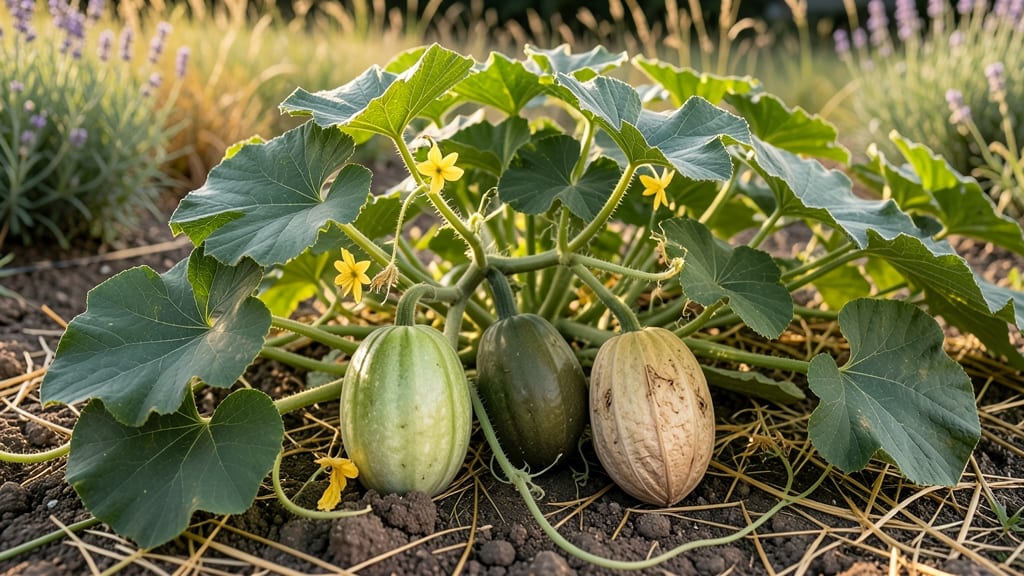
Growing a hami melon plant from seed to sweet, sun-ripened fruit is one of those gardening victories that feels like magic—especially when you taste the first slice in just 60 days. 🌞 I learned the hard way that these melons thrive in hot, dry climates, but with the right soil and a little patience, even cooler regions can pull off a decent harvest.
The key? Mimicking their native desert-like conditions as closely as possible.
You’ll need well-draining soil (think sandy loam), full sun for at least 6-8 hours daily, and consistent watering—though not too much. Hami melons are drought-tolerant once established, but their first few weeks need steady moisture to root properly.
Start seeds indoors 4-6 weeks before your last frost, or buy transplants if your growing season is short. The vines spread, so give them 3-4 feet of space or train them up a trellis to save room.
By mid-summer, you’ll see those signature yellow blossoms and tiny melons forming. The real reward? A crisp, honey-sweet fruit with a texture like a cross between a cantaloupe and a pear.
Prune aggressively to focus energy on fruit production, and watch for pests like cucumber beetles—neem oil is your best friend here. Harvest when the stem slips easily, and prepare for the best melon you’ve ever tasted.
Perfect for gardeners in USDA zones 7-11, but even cooler climates can grow them in containers with extra warmth. The secret to success? Don’t rush—these melons need heat to sweeten. Once you master them, you’ll never buy store-bought melons again.
📚 In This Guide
- What you need
- Instructions
- Tips and common mistakes
- Wrapping up and next steps
What you need
- ● Hami Melon Seeds: 5–10 seeds (or 1–2 plants if buying seedlings). Choose certified organic or non-GMO seeds for best results.
- ● Growing Containers or Garden Bed: For containers: 5–10 gallon pots (1 per plant) with drainage holes.
- ● For in-ground planting: A sunny spot (6+ hours of sunlight) with well-draining soil.
- ● Potting Soil: 1–2 bags of high-quality, well-draining potting mix (or garden soil amended with compost).
- ● Fertilizer: Balanced liquid fertilizer (10-10-10 or similar) for seedlings.
- ● Organic compost or slow-release granular fertilizer (5-10-10) for mature plants.
- ● Watering Can or Hose: With a gentle spray nozzle for even watering.
- ● Trellis or Support: 4–6 ft tall stakes or a trellis system (Hami melons are vining and need support!).
- ● Mulch (straw or shredded leaves) to retain moisture and suppress weeds.
- ● Plant markers or labels to track varieties (if growing multiple types).
- ● Pruning shears for trimming excess vines or dead leaves.
- ● Shade cloth (30–50%) to protect seedlings from intense afternoon sun (if in a hot climate).
- ● Grow lights (for indoor or early-season starts in cool climates).
Step-by-step instructions for growing Hami melons
Ready for a melon so sweet it’s legendary? Here’s how to coax those golden, honeyed fruits from seed to harvest.
🌱 Step 1: Start Seeds Indoors for Early Growth
Hami melons thrive with a long growing season, so begin seeds 4-6 weeks before your last frost date indoors. Use biodegradable pots (3-4 inches deep) filled with sterile seed-starting mix—never garden soil, which can harbor diseases. Plant 2-3 seeds per pot at a depth of ½ inch, then cover lightly with additional mix. Press gently to ensure good seed-to-soil contact.
Place the pots in a warm location (75-85°F)—a seedling heat mat works wonders. Keep the soil consistently moist (not soggy) by misting with a spray bottle. Germination typically takes 7-14 days, depending on your climate. Once sprouts emerge, remove the weakest seedling, leaving the strongest to grow uninhibited.
☀️ Step 2: Harden Off and Transplant After Frost
After true leaves (not cotyledons) appear, begin hardening off your seedlings. Place them outdoors in a sheltered, shaded spot for 1-2 hours the first day, gradually increasing exposure over 7-10 days. Watch for wilting or yellowing leaves—a sign they’re not ready for full sun yet.
Transplant seedlings after the last frost when soil temperatures reach 60°F or warmer. Choose a sunny spot with full sun (6-8 hours daily) and well-draining soil. Space plants 3-4 feet apart in rows 6 feet apart—Hami melons need room to sprawl. Bury stems slightly deeper than in the pot to encourage root growth.
💧 Step 3: Water Deeply and Fertilize for Sweetness
Hami melons demand consistent moisture—water deeply 1-2 times per week, aiming for 1-2 inches of water per week. Avoid wetting leaves to prevent fungal diseases. Mulch with straw or grass clippings to retain moisture and suppress weeds. You’ll know your watering is right when the soil feels damp 2 inches below the surface but not waterlogged.
Fertilize every 3-4 weeks with a balanced organic fertilizer (10-10-10) once vines start running. Switch to a low-nitrogen, high-potassium fertilizer (5-10-10) when flowers appear to boost fruit sweetness. Over-fertilizing leads to leafy growth at the expense of fruit—keep it moderate!
✂️ Step 4: Train Vines and Prune for Optimal Fruit
Hami melons are vining plants, so install trellises or sturdy stakes early to support their weight. Gently weave vines through the trellis as they grow—this prevents soil-borne diseases and improves air circulation. Prune excessive side shoots (suckers) to direct energy toward fruit development, leaving only 2-3 main vines per plant.
Remove yellowing or diseased leaves immediately to keep the plant healthy. When flowers appear, hand-pollinate by gently shaking the vines in the morning—Hami melons rely on bee activity, but a little help ensures better fruit set. Watch for small, round fruits forming—these will grow into your sweet harvest!
⏰ Step 5: Harvest at Peak Ripeness
Hami melons typically mature in 60-70 days after transplanting. Harvest when the skin turns golden-yellow and the stem slips easily from the vine. Cut stems with clean pruners, leaving 1 inch of stem attached to preserve freshness. Store melons in a cool, dry place (55-60°F) for up to 2 weeks—they’ll ripen further off the vine!
Here’s the thing—patience pays off. If you rush harvest, the sugar content suffers. Wait until the aroma is sweet and musky—that’s your cue they’re ready. Once you taste that first slice, you’ll understand why gardeners swear by Hami melons!
Tips & tricks for perfect Hami melon growth
These game-changing strategies will help you cultivate melons so sweet they'll leave your neighbors begging for cuttings.
Timing Secret: The 4-6 week indoor start window is non-negotiable for most climates—Hami melons need their long growing season! To maximize success, check your last frost date and work backward. For northern gardeners, consider using a seedling heat mat (75-85°F) to jumpstart germination, which can take up to 14 days. If you're in a warmer zone, you might extend this to 8 weeks for even larger fruits.
Soil and Spacing Strategy: When transplanting after the last frost (soil temps must reach 60°F or warmer), don't skimp on space! The 3-4 foot spacing between plants and 6 feet between rows might seem excessive, but it prevents disease and allows those vines to sprawl properly. Pro tip: Bury stems slightly deeper than in pots—this encourages stronger root development. For container growing, use at least 5-gallon pots with drainage holes and place them where they'll get that full sun (6-8 hours daily).
Watering Wisdom: The 1-2 inch weekly watering guideline is perfect, but timing matters just as much as amount. Water deeply in the morning so leaves have all day to dry—this prevents powdery mildew, a common enemy of Hami melons. I've found that mulching with straw creates a microclimate that maintains consistent moisture while suppressing weeds. And here's the thing: If you see leaves wilting in the afternoon, it's often a sign of underwatering, not overwatering!
Pruning Payoff: Those excessive side shoots (suckers) might look like free growth, but they divert energy from fruit production. When you prune to leave just 2-3 main vines per plant, you're not just saving space—you're ensuring each vine has enough resources to develop that signature Hami sweetness. And don't forget to hand-pollinate those flowers by gently shaking the vines in the morning. This simple act can double your fruit set!
Pro Tips for Hami Melon Plant
- These game-changing strategies will help you cultivate melons so sweet they'll leave your neighbors begging for cuttings.
- Timing Secret: The 4-6 week indoor start window is non-negotiable for most climates—Hami melons need their long growing season!
- Soil and Spacing Strategy: When transplanting after the last frost (soil temps must reach 60°F or warmer), don't skimp on space!
Frequently asked questions
Got questions about growing your own Hami melon plant? You're not alone! Here are some of the most common queries—plus quick, practical answers to help you cultivate sweet success.
How long does it take for a Hami melon plant to bear fruit?
The magic happens fast! With ideal conditions, you can expect delicious Hami melons in just 60–70 days from planting. This makes them a perfect choice for impatient gardeners craving quick rewards.
Can Hami melon plants survive cold weather?
Not a fan of frost! Hami melons thrive in warm climates (70–90°F) and are sensitive to cold. Start seeds indoors 4–6 weeks before the last frost, or grow them in containers to move indoors if temperatures dip below 50°F. Pro tip: Use black plastic mulch to retain heat in cooler regions!
What’s the best way to tell when Hami melons are ripe?
Look for these clues: dull, tan skin (not green!), a slight softness when gently squeezed, and a sweet aroma near the stem. Avoid harvesting too early—they won’t sweeten up like a Hami melon should!
Why are my Hami melon leaves turning yellow?
Yellow leaves usually mean overwatering, nutrient deficiency, or pests. Check soil moisture (it should be dry 1–2 inches deep), fertilize with compost or a balanced 10-10-10 mix, and inspect for aphids or spider mites. Quick fix: Prune affected leaves and adjust watering.
Can I grow Hami melons in containers?
Choose a 5-gallon pot or larger with drainage holes, and use a lightweight potting mix. Train vines with a trellis to save space, and place the container in full sun. Just ensure it’s stable—melons can get heavy!
Wrapping up and next steps
Growing a hami melon plant is a rewarding journey that brings sun-kissed sweetness to your table in just 60 days! 🌱 With the right soil, sunlight, and care, you’ll enjoy juicy, flavorful melons that taste like summer in every bite.
Whether you're a beginner or a seasoned gardener, this fast-growing variety makes it easy to turn a small patch of land into a harvest of happiness.
Ready to take the next step? Start small—plant a few seeds this week and watch your garden transform. Share your progress or harvest with fellow gardeners for extra motivation! 🌿✨