
Planting
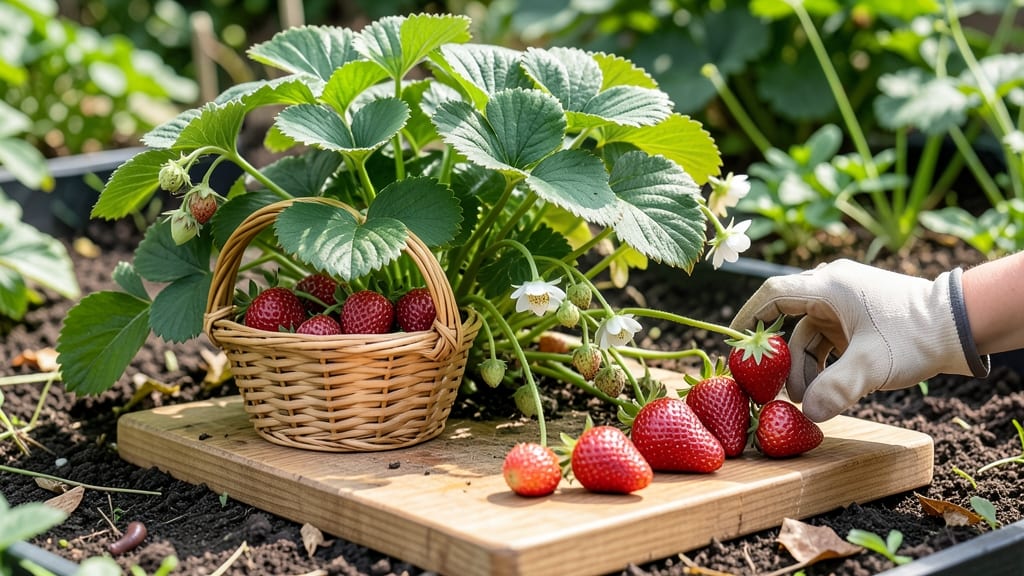
Your Mother’s Day gift could be the sweetest—and most unexpected—gift of the season: happy mother's day strawberries that keep blooming long after the cardigan is unpacked. 🌸 These aren’t just berries; they’re a living tribute that grows, produces, and delights year after year with almost no fuss.
Picture this: a pot of fragrant white or red blossoms, followed by juicy fruit that ripens just in time for summer picnics, all from a plant that fits on a patio table.
The magic lies in choosing everbearing varieties like ‘Albion’ or ‘Seascape,’ which produce fruit in spring and again in fall—no green thumb required. You’ll spend more time arranging the pot than you will tending it, and the results? A gift that keeps giving, both in beauty and in berries.
These plants thrive in containers, making them perfect for porches, windowsills, or even as a centerpiece for a Mother’s Day brunch. What you’ll end up with is a strawberry plant that doubles as decor and dessert, its glossy leaves and delicate flowers adding charm to any space.
The first harvest will arrive in just 8-12 weeks, and the plant will keep producing for years if you keep it happy with basic care. No wilting, no complicated schedules—just reliable blooms and berries that say, “I see you, and I’ve got you covered.”
This works for any mom, from the gardening novice to the seasoned green thumb. Whether you’re gifting a single pot or creating a strawberry-themed garden display, the key is making it personal.
Add a handwritten note about the first harvest, or pair it with a strawberry-themed tea set for a gift that’s as thoughtful as it is delicious.
📚 In This Guide
- What you need
- Instructions
- Tips and common mistakes
- Wrapping up and next steps
What you need
- ● Strawberry plants: Choose June-bearing (for a single big harvest) or everbearing (for smaller, frequent yields) varieties. You’ll need 3–5 plants per person (e.g., 6–10 plants for a family of 4). Opt for bare-root plants (dormant, easier to handle) or potted plants (ready to plant immediately).
- ● Well-draining soil: A mix of topsoil (50%), compost (30%), and perlite or sand (20%) for loose, fertile soil. Test your soil’s pH—aim for 5.5–6.5 (use a soil test kit if unsure).
- ● Containers or garden space: Containers: At least 1–2 gallons per plant (e.g., 5-gallon pots for 3–4 plants). Use drainage holes and lightweight materials (fabric grow bags, plastic, or terracotta).
- ● Garden beds: Space plants 12–18 inches apart in full sun (6+ hours/day). Raised beds work great for better drainage!
- ● Mulch: Straw or pine needles (2–3 inches thick) to retain moisture, suppress weeds, and protect berries from dirt.
- ● Fertilizer: A balanced, organic fertilizer (10-10-10 or 5-5-5) or compost tea to kickstart growth. Avoid high-nitrogen fertilizers—they promote leaves over fruit!
- ● Gloves (to protect hands from thorns and soil).
- ● Hand trowel or small shovel (for planting and weeding).
- ● Watering can or hose with a gentle spray nozzle (strawberries hate soggy roots!).
- ● Pruners or scissors (for trimming runners and dead leaves).
- ○ Row covers or netting (optional): Protects from birds and pests if needed.
- ○ Plant stakes or cages (optional): Supports vining varieties like everbearing types.
- ● Timing: Plant 6–8 weeks before your last frost date (spring) or in early fall for a summer harvest. Check your USDA Plant Hardiness Zone for guidance!
- ● Sunlight: Confirm your planting spot gets 6+ hours of direct sunlight daily—strawberries thrive in warmth.
- ● Water source: Ensure easy access to water for consistent moisture (especially in dry spells).
Step-by-step instructions for growing strawberries year-round
Here’s how I turn a small space into a lush strawberry display—no green thumb required.
🌱 Step 1: Choose the Right Strawberry Variety for Indoor Growing
Pick everbearing or day-neutral strawberries—they produce fruit multiple times a year. I like Alpine strawberries for containers because they’re compact and thrive in 6-8 inches of soil. Avoid June-bearing types; they focus all energy on one harvest and struggle indoors.
Check the plant tags for dwarf varieties—they stay under 12 inches tall and fit perfectly on windowsills. You’ll know you’ve got the right one when the leaves are glossy and the stems are sturdy, not leggy or weak. Skip the giant berry promises; flavor and reliability matter more for small-space growing.
🪴 Step 2: Set Up Containers With Proper Drainage and Soil
Use 6-8 inch pots with drainage holes—strawberries hate soggy roots. I line the bottom with 1 inch of gravel or broken pottery to improve drainage. Fill the rest with a mix of 50% potting soil and 50% perlite for airflow. This combo prevents root rot while holding enough moisture for thirsty plants.
Leave 1 inch of space at the top of the pot—strawberries spread, and you’ll need room to add more soil later. Press the mix down lightly so it’s firm but not packed. The goal is a fluffy texture that water can penetrate easily. If the soil feels like wet sand when squeezed, you’re good to go.
☀️ Step 3: Position for Bright, Indirect Light
Place your strawberries in the brightest window—south or west-facing is ideal. They need 6-8 hours of light daily, but direct midday sun can scorch leaves. I rotate the pots a quarter turn every few days so plants grow evenly instead of leaning toward the light.
If your space is dim, supplement with a grow light kept 4-6 inches above the plants. Watch for pale, stretched leaves—that’s a sign they’re reaching for more light. Strong growth looks dark green, compact, and bushy. Adjust the light height weekly as the plants grow taller.
💧 Step 4: Water and Fertilize for Consistent Blooms
Water when the top inch of soil feels dry—strawberries wilt fast if they dry out, but they also rot if overwatered. I use a spray bottle for gentle watering to avoid disturbing the soil around roots. Let excess water drain completely; saucers should empty within 15 minutes after watering.
Feed every 4-6 weeks with a balanced liquid fertilizer (10-10-10 ratio). I dilute it to half-strength—too much fertilizer burns roots. You’ll see new leaves and buds within 2 weeks of fertilizing. Pinch off the first few flowers if your plant looks stressed; it’s better to build strong growth first.
✂️ Step 5: Prune and Support for Long-Term Productivity
After harvest, trim yellow or damaged leaves with clean scissors to encourage new growth. I also cut back long, bare stems to redirect energy into fruiting. Leave at least 3-4 healthy leaves per plant—they power photosynthesis for the next harvest.
For heavier berries, add a small stake or cage to support the plant. Strawberries don’t need much, but a little help prevents stems from snapping. Remove weeds and runners that crowd the pot—this keeps the plant focused on producing fruit instead of spreading. With consistent care, you’ll get small but sweet berries every 6-8 weeks.
Tips & tricks for perfect year-round strawberry blooms
These simple strategies will help your strawberries thrive indoors and keep producing sweet berries all year long.
Variety Selection Tip: When choosing your everbearing or day-neutral strawberries, look for labels that mention "container-friendly" or "patio varieties." These are specifically bred to handle the confined space of pots. Alpine strawberries are my go-to because they're naturally compact and produce fruit continuously. The glossy leaves and sturdy stems are your first sign you've picked a winner—avoid plants with yellowing leaves or leggy stems, as these struggle in containers.
Light Optimization: That 6-8 hours of daily light is non-negotiable, but here's how to maximize it: Place your pots on a rotating tray or turntable (you can DIY one with a lazy Susan) to ensure even light exposure. If you notice leaves stretching toward the light, it's time to move them closer to the window or adjust your grow light. I've found that positioning pots on a south-facing windowsill with a sheer curtain for indirect light gives the best results. For dimmer spaces, a simple LED grow light on a timer works wonders—just keep it 4-6 inches above the plants and run it for 12-14 hours daily.
Watering Wisdom: The top inch dry test works perfectly, but here's a pro trick: Use a moisture meter for your strawberry pots. These $10 tools give precise readings and help prevent both underwatering and overwatering. I've saved multiple plants by catching soil moisture issues early. When watering, focus on the soil around the edges of the pot rather than pouring in the center—this encourages roots to spread outward where they can access more nutrients. That 15-minute drainage rule is crucial: If water pools in the saucer after that time, your pots need better drainage or you're overwatering.
Fertilizer Strategy: That 4-6 week feeding schedule is ideal, but here's how to make it even better: Mix your half-strength fertilizer with a splash of apple cider vinegar (1 tablespoon per gallon). The mild acidity mimics natural soil conditions and helps prevent nutrient deficiencies. You'll notice healthier green leaves and more robust stems within just two weeks of this simple adjustment. And if you see yellowing leaves between feedings, it's time to fertilize—don't wait for the full schedule if your plants are showing signs of hunger.
Pro Tips for Happy Mother'S Day Strawberries
- These simple strategies will help your strawberries thrive indoors and keep producing sweet berries all year long.
- Variety Selection Tip: When choosing your everbearing or day-neutral strawberries, look for labels that mention "container-friendly" or "patio varieties."
- Light Optimization: That 6-8 hours of daily light is non-negotiable, but here's how to maximize it: Place your pots on a rotating tray or turntable (you can DIY one with a lazy Susan) to ensure even light exposure.
Frequently asked questions
Can I grow 'Happy Mother’s Day' strawberries in containers?
These compact plants thrive in containers as long as the pot is at least 12 inches deep and has drainage holes. Use well-draining soil and place the container in a spot with 6+ hours of sunlight daily. Just ensure the pot is wide enough for 3-4 plants to spread out comfortably.
How long does it take for 'Happy Mother’s Day' strawberries to produce fruit?
With proper care, you can expect your first berries in 6-8 weeks after planting (or sooner if starting from established runners). Ever-bearing varieties like this one often produce two harvests per year—one in spring and another in fall—if grown in mild climates. Patience pays off with sweet, abundant fruit!
What’s the best way to extend the strawberry harvest season?
To enjoy berries year-round, prune old leaves in late summer to encourage new growth. In colder months, use row covers or mulch to protect plants from frost. For a longer harvest, plant new runners every 2-3 months to stagger fruiting cycles. Bonus: These strawberries are day-neutral, so they’ll keep producing as long as temps stay mild!
Why aren’t my strawberries ripening, even though the flowers look healthy?
Several factors could be at play: lack of sunlight (they need full sun!), inconsistent watering (keep soil moist but not soggy), or nutrient deficiencies. Check for pests like slugs or aphids too. If flowers drop off without fruiting, it might be due to temperature stress—these strawberries prefer 50-85°F. Try relocating them to a sunnier spot or adjusting care.
Can I grow 'Happy Mother’s Day' strawberries indoors?
While possible, it’s challenging indoors due to their sunlight needs. If you must try, place them near a south-facing window and supplement with a grow light (12+ hours/day). Use a lightweight potting mix and ensure high humidity. Outdoor growing is ideal, but a bright indoor space with extra care can yield smaller but still delicious berries!
Pro Tip: For continuous blooms and berries, deadhead spent flowers and fertilize lightly with a balanced organic fertilizer every 4-6 weeks. Happy growing!
Wrapping up and next steps
Celebrate Mother’s Day with joy by gifting your mom (or yourself!) year-round strawberries that thrive with minimal care. These sweet, low-maintenance plants bring beauty, fresh fruit, and a touch of nature’s magic to any home—perfect for busy moms who love simple yet meaningful surprises. 🍓✨
Your next step? Plant a few now and watch her face light up with every harvest! Whether you’re a gardening pro or a beginner, strawberries are the ultimate thoughtful, edible gift that keeps giving.