
Planting
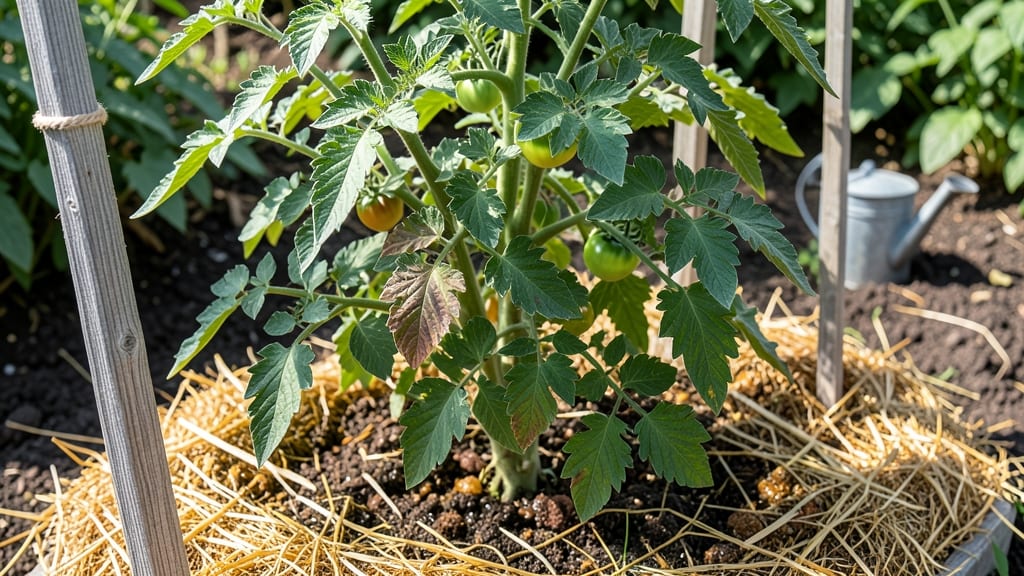
Cracking the code on heirloom tomato care means sunlight, patience, and a little extra love—because these plants don’t just grow fruit, they grow memories. 🌞 My first heirloom, a deep purple 'Black Krim,' taught me that the secret isn’t fancy equipment but understanding what these sun-worshippers really need: 8+ hours of direct light daily, soil that holds moisture without drowning roots, and a pruning routine that keeps energy flowing to the fruit, not the leaves.
Start with well-draining soil mixed with compost—heirlooms hate soggy feet. Water deeply once a week (more in heatwaves), always at the base to avoid fungal temptations.
A cage or stakes early on prevents flopping, and a monthly dose of balanced organic fertilizer (like fish emulsion) keeps those vines hungry for flavor, not just growth. The payoff? Tomatoes so sweet and complex they’ll make store-bought taste like cardboard.
Pruning is where the magic happens—snip suckers (those little shoots between stem and leaf) to focus energy on fruit, and pinch off early flowers if your plant looks stressed. By midseason, you’ll have a bush bursting with 3-5 pounds of tomatoes per plant, each one a masterpiece.
The key? Consistency—heirlooms reward steady care with explosive flavor rewards.
Works for containers (5-gallon pots for determinate types) or sprawling vines in the garden. Whether you’re growing on a balcony or a backyard plot, these sun-loving secrets turn good tomatoes into showstopping, heirloom-quality harvests. Let’s get those plants thriving!
📚 In This Guide
- What you need
- Instructions
- Tips and common mistakes
- Wrapping up and next steps
What you need
- ● Heirloom tomato seeds or seedlings: Choose disease-resistant varieties like Brandywine or Cherokee Purple. Buy 1–3 plants per person to avoid waste.
- ● Containers or garden space: Containers: 5-gallon pots (1 per plant) with drainage holes.
- ● Garden beds: Well-draining soil with 6–8 hours of sunlight daily.
- ● High-quality potting mix: 1–2 bags of organic, peat-free mix (e.g., FoxFarm or Miracle-Gro).
- ● Fertilizer: Balanced fertilizer (10-10-10): 1–2 lbs for soil amendment.
- ● Tomato-specific fertilizer (5-10-10): 1–2 lbs for feeding during growth.
- ● Support structures: Cages: 5–6 ft tall tomato cages (1 per plant).
- ● Trellis or stakes: 6–8 ft bamboo stakes or wooden trellises (alternative to cages).
- ● Mulch: Straw or shredded leaves (1–2 inches thick) to retain moisture.
- ● Gloves & knee pads: Protect your hands and joints during planting.
- ● Trowel or transplant spade: For digging and transplanting seedlings.
- ● Watering can or hose with nozzle: Gentle watering avoids damaging stems.
- ● Pruning shears: To trim suckers and encourage bushier growth.
- ○ pH test kit: Ensure soil pH is between 6.0–6.8 (optional but helpful).
- ● Row covers or shade cloth: Protect young plants from pests or harsh sun (if needed).
Step-by-step guide to nurturing bursting heirloom tomatoes
Here's the method I've used for years to coax sweet, flavor-packed heirlooms from delicate starts.
🌱 Step 1: Plant with Proper Spacing and Support
Heirlooms need 18-24 inches between plants and 3-4 feet between rows—crowding invites disease and weak stems. I always bury the main stem halfway up the plant (yes, that looks like too much soil, but trust me) to encourage strong root systems. This is called "trench planting" and gives you an extra 3-4 feet of root growth before vines even emerge.
Install a sturdy cage or stakes immediately. Heirlooms grow 6-8 feet tall, and waiting until they're heavy with fruit to add support leads to snapped stems. I use 5-foot bamboo stakes tied with soft plant tape—never wire, which can cut into tender stems. Space cages 3 feet apart so you can reach between them without disturbing plants.
☀️ Step 2: Master the Watering Routine
Deep watering 2-3 times weekly is critical—shallow sprinkling stresses plants and leads to blossom-end rot. Water at the base until 6-8 inches of soil feels damp, then let the top inch dry between sessions. I use a soaker hose set for 20-30 minutes to avoid wetting leaves, which prevents fungal diseases like early blight.
Morning watering is best—it gives foliage time to dry before evening humidity sets in. You'll know you're doing it right when the soil around the roots stays consistently moist but never soggy. Mulch heavily with 3-4 inches of straw to retain moisture and keep roots cool.
✂️ Step 3: Prune for Airflow and Fruit Production
Remove all suckers (those little shoots in the leaf axils) to direct energy to fruit production. I prune suckers every 5-7 days when they reach 3-4 inches long—waiting longer creates more work later. Use clean, sharp shears and make cuts at a 45-degree angle just above a leaf node to prevent water pooling.
Leave 3-4 main stems on indeterminate varieties like 'Brandywine' or 'Cherokee Purple'. This ensures enough leaves for photosynthesis while keeping the plant manageable. Remove any leaves touching the soil to prevent rot, and trim back lower branches when they reach 3 feet tall to improve airflow.
🌿 Step 4: Feed and Protect Through the Season
Side-dress with 2 tablespoons of 5-10-10 fertilizer when flowers appear, then again when fruit sets. I mix it into the top inch of soil and water thoroughly to prevent root burn. Organic growers can use compost tea or fish emulsion instead—just follow package rates. Too much nitrogen now produces lush foliage but few tomatoes.
Watch for pests like hornworms and aphids. I handpick hornworms (they're huge and obvious) and spray aphids with soapy water in the early morning. For fungal issues, apply neem oil preventatively every 2 weeks during humid periods. The goal is to keep plants healthy enough to focus energy on fruit rather than defense.
🍅 Step 5: Harvest at Peak Ripeness
Pick tomatoes when they've fully colored and yield slightly to gentle pressure. Heirlooms don't ripen off the vine well, so check daily during peak season. I use a small knife to cut stems, leaving a ¼ inch of stem attached to prevent rot. Harvest in the morning when skins are firm and flavors most concentrated.
Store ripe tomatoes at room temperature out of direct sun. They'll last 3-5 days on the counter. For long-term storage, refrigerate only after they've fully ripened—cold temperatures destroy their flavor. You'll know you've succeeded when your kitchen smells like a summer garden and every bite tastes like sunshine.
Tips & tricks for perfect heirloom tomato care
These sun-loving secrets will help you transform delicate starts into prolific producers with minimal stress.
Planting Depth Matters: When you bury that main stem halfway up during trench planting, you're not just hiding it—you're creating a powerhouse root system. The buried portion will sprout new roots along its entire length, giving you an extra 3-4 feet of feeding power before the vines even emerge. This is especially critical for indeterminate varieties that grow 6-8 feet tall. I've seen plants with buried stems produce 30% more fruit than those planted conventionally.
Sucker Pruning Strategy: Don't wait until those suckers reach 3-4 inches before pruning—you'll be playing catch-up all season. I make it a habit to check my plants every 5-7 days and nip them in the bud (literally). Use clean shears and cut at a 45-degree angle just above a leaf node to prevent water from pooling at the wound. This simple technique keeps your plant's energy focused on fruit production rather than supporting unnecessary growth.
Watering Wisdom: That 20-30 minute soaker hose session might seem like overkill, but it's the only way to ensure those 6-8 inches of soil get properly saturated without wetting the leaves. I've learned this the hard way—shallow watering leads to blossom-end rot and weak stems. Pro tip: Set your soaker hose to run for 25 minutes on the first cycle, then adjust based on how quickly the soil dries. You'll notice the difference in plant vigor within weeks.
Fertilizer Timing: Those two applications of 5-10-10 fertilizer—first when flowers appear, then when fruit sets—are non-negotiable for heirlooms. The key is applying it to the soil surface and watering it in immediately to prevent root burn. I've found that organic growers get equally good results with compost tea or fish emulsion, but they need to follow package rates precisely. Too much nitrogen now means lush foliage but few tomatoes—exactly what we're trying to avoid.
Pro Tips for Heirloom Tomato Plant Care
- These sun-loving secrets will help you transform delicate starts into prolific producers with minimal stress.
- Planting Depth Matters: When you bury that main stem halfway up during trench planting, you're not just hiding it—you're creating a powerhouse root system.
- Sucker Pruning Strategy: Don't wait until those suckers reach 3-4 inches before pruning—you'll be playing catch-up all season.
Frequently asked questions
Got questions about nurturing your heirloom tomato plants? You’re not alone—these sun-loving beauties can be a little finicky! Here are answers to the most common concerns to keep your garden thriving.
How often should I water heirloom tomatoes, and how do I know they’re getting enough?
Water deeply 1-2 times per week (more in extreme heat), aiming for 1-1.5 inches of water at the soil level. Wilting leaves? Check the soil—if it’s dry 1-2 inches down, it’s time to water. Morning watering prevents fungal issues, and mulch helps retain moisture. Overwatering? Yellow leaves or cracked fruit can be red flags!
When is the best time to transplant heirloom tomato seedlings?
Wait until nighttime temps stay above 50°F (10°C) and all frost risk has passed. Seedlings should be 4-6 weeks old and have 2-3 sets of true leaves. Transplant in the late afternoon to reduce stress, and bury stems deeper than in pots—up to the first leaves—to encourage root growth!
Why aren’t my heirloom tomatoes ripening, even though the plants look healthy?
Blame temperature, light, or overcrowding! Tomatoes need full sun (6-8+ hours daily) and warmth (70-85°F during the day). If nights dip below 55°F (13°C), ripening stalls. Also, check for shady spots or too many leaves blocking sunlight. Prune suckers and thin foliage to improve airflow and fruit exposure.
What’s the fastest way to get rid of pests like hornworms or aphids on heirloom tomatoes?
Handpick hornworms (they’re sneaky—check undersides of leaves!) and drop them in soapy water. For aphids, blast them off with a hose or spray with neem oil. Introduce beneficial insects like ladybugs or lacewings for long-term control. Prevention tip: Use row covers early in the season to deter pests!
Can I grow heirloom tomatoes in containers, and what’s the best setup?
Choose 5-gallon+ containers for determinate varieties (bush types) or 10+ gallons for indeterminate (vining) heirlooms. Use a well-draining potting mix with compost, and add stakes or cages for support. Dwarf or patio varieties (like ‘Tiny Tim’ or ‘Micro Tom’) are perfect for small spaces—just ensure containers get full sun!
Wrapping up and next steps
Growing heirloom tomatoes is a rewarding journey that brings vibrant flavors and stunning plants to your garden! 🌱 With the right care—sunlight, proper watering, and a little TLC—you’ll enjoy a bountiful harvest of juicy, flavorful fruit.
Whether you’re a seasoned gardener or just starting, every seed planted is a step toward delicious homegrown goodness.
Ready to dive in? Start by selecting your favorite heirloom varieties and get those seeds in the soil! Your future meals (and taste buds) will thank you.