
Planting
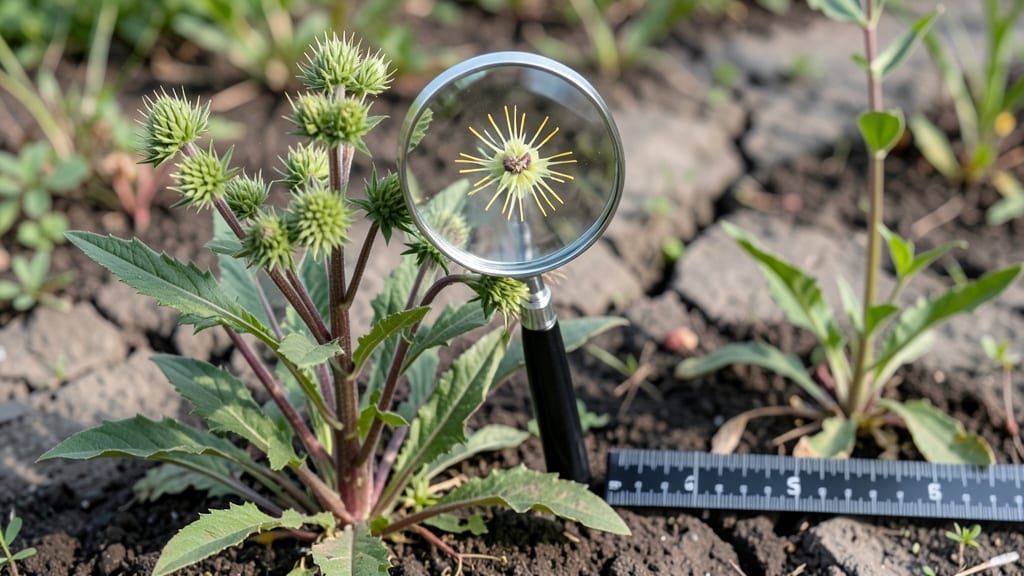
Spotting the signs of a hermaphrodite weed plant in your cannabis garden can save your harvest. 🌱 These plants develop both male and female flowers, leading to unwanted seeds in your buds.
The first sign is small, round pollen sacs forming near the buds—something you won’t see on healthy female plants.
Look for tiny, banana-shaped structures (pistils) turning brown or brittle, or pollen dusting your leaves. Even well-established plants can switch sexes under stress, like heat waves or nutrient imbalances. The earlier you catch these changes, the better you can isolate and remove affected plants before they ruin your crop.
If you’ve already got a few hermaphrodites, don’t panic—manual removal is your best first step. Prune them at the base and dispose of them far from your garden. For prevention, keep your plants healthy with stable light cycles, proper nutrients, and consistent watering to reduce stress-induced sex changes.
Common examples like dandelions or chickweed also exhibit hermaphrodite traits, but cannabis plants are more sensitive. Regular inspections and proactive care keep your garden thriving without unwanted surprises. Here’s how to keep your buds clean and seed-free.
Root Causes Of Sex Shifts
When your cannabis plants start showing hermaphrodite (herm) traits, it’s usually a cry for help from the plant itself. Stress—whether environmental, genetic, or cultural—triggers this survival mechanism, causing female plants to develop male pollen sacs (stamens) to ensure reproduction when pollination isn’t guaranteed.
Below, we break down the most common triggers and why they push your plants toward hermaphroditism.
Cannabis thrives in stable conditions, but drastic temperature fluctuations—especially during flowering—can send plants into panic mode. Here’s how heat or cold stress forces herms:
- Heat Stress (Above 85°F/29°C):
High daytime temps (especially in unventilated grow tents) disrupt enzyme activity, stalling flower development. Plants may abort female structures and revert to male traits to "try again" later.
- Cold Stress (Below 60°F/15°C):
Chilly nights slow metabolic processes, confusing the plant’s hormonal balance. Sudden drops (like drafts near AC vents) can trigger herms within 24–48 hours.
- Nighttime Heat Spikes:
If your grow room stays too warm at night (e.g., lights left on accidentally), ethylene gas builds up, signaling the plant to revert to a "safe" reproductive state.
Actionable Fix: Use fan oscillators for airflow, thermostat-controlled vents, and heat mats to maintain 68–78°F (20–25°C) day/night. Monitor with a max-min thermometer!
Overwatering, underwatering, or nutrient lockout starves roots, forcing the plant to redirect energy toward survival—often by producing male flowers. Here’s the breakdown:
| Issue | How It Triggers Herms | Fix |
|---|---|---|
| Overwatering | Roots suffocate from anaerobic conditions, releasing stress hormones (like ethylene) that signal hermaphroditism. | Let topsoil dry 1–2 inches between waterings; improve drainage with perlite. |
| Underwatering | Severe drought causes abscisic acid (a stress hormone) to spike, tricking the plant into thinking it’s dying. | Water deeply at soil level (avoid leaf spray) and use moisture meters. |
| Nutrient Burn | Excess salts (from over-fertilizing) block nutrient uptake, mimicking starvation. Plants may herm to "escape" the toxic environment. | Flush with pH-balanced water (5.5–6.5) and use chelated nutrients. |
| Calcium/Magnesium Deficiency | These minerals stabilize cell walls; without them, ethylene production surges, promoting male traits. | Add cal-mag supplement (1 tsp/gallon) every 2 weeks. |
Pro Tip: 💡 Always check pH before watering! Lockout often starts with pH drifting outside 6.0–7.0 in soil or 5.5–6.5 in hydro setups.
Not all herms are stress-related—some are hardwired into the plant’s DNA. Here’s when genetics take the wheel:
- Autoflowering Strains:
These plants always herm as they age (usually after 8–12 weeks). Their short lifespan forces early reproduction.
- Photoperiod Herms:
Some feminized seeds carry recessive male genes (e.g., "leaky feminization"). If the plant is weak or stressed, these genes express as pollen sacs.
- Older Plants:
After 10+ weeks of flowering, hormones shift naturally. The plant may herm to "reset" before harvest.
What to Do:
- For autoflowers, harvest early (before herms spread) or use CO₂ enrichment to delay aging.
- For photoperiod herms, remove affected branches immediately to prevent pollination.
- If herms appear in multiple plants, suspect bad seeds—switch to reputable breeders.
Cannabis relies on light cycles to trigger flowering. Mess with them, and the plant gets confused:
- Light Leaks:
Even 1–2 hours of light during 12/12 flowering can force the plant to think it’s still in vegetative mode, then panic-herm when the cycle resets.
- Sudden Light Changes:
Switching from 18/6 to 12/12 too abruptly (without a 13/11 taper) shocks the plant into stress mode.
- LED Spectrum Issues:
Too much blue light (vegetative spectrum) during flowering can delay or disrupt sex determination, leading to herms.
Solutions:
- Use blackout curtains or timers to block light leaks.
- Transition to 12/12 gradually (e.g., 16/8 → 15/9 → 14/10).
- For LEDs, use a 12/12-specific bulb with 70% red, 20% blue, 10% green spectrum.
When pests or diseases damage critical plant parts (like buds or leaves), the plant diverts energy to survival—often by producing male flowers. Common culprits:
| Pest/Disease | How It Causes Herms | Fix |
|---|---|---|
| Spider Mites | Pierce leaves, releasing ethylene and jasmonic acid, which trigger stress responses. | Spray with neem oil or introduce predatory mites. |