
Planting
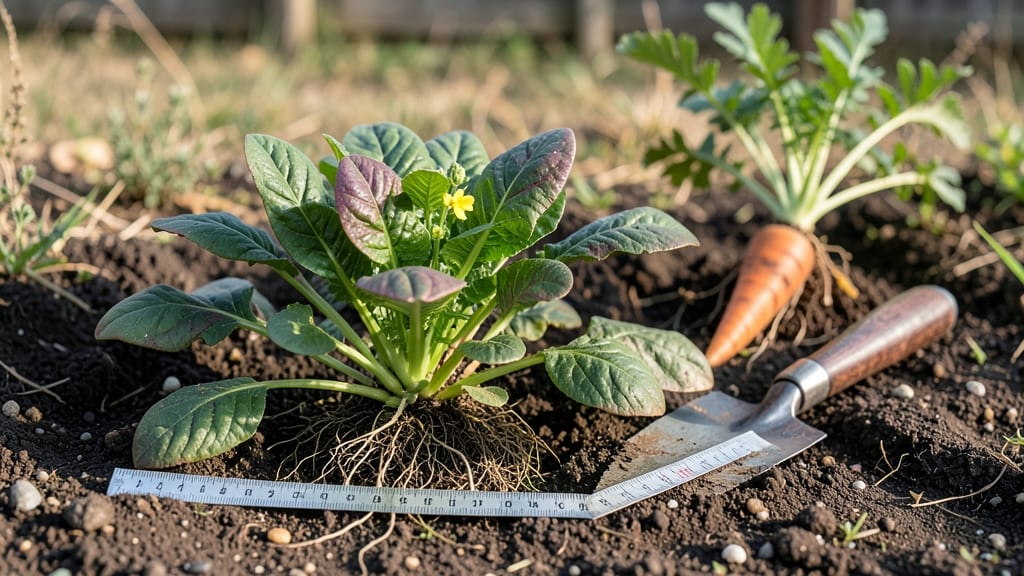
Mustard greens 🌱 grow with roots that stay shallow—just 1 to 2 inches deep—so planting too deep can slow down your harvest.
Picture this: you’ve waited weeks for those tender leaves, only to watch them grow leggy or yellow instead of thriving. The fix? A simple tweak in planting depth that makes all the difference.
These fast-growing greens don’t need deep soil to thrive—they just need room to spread their roots wide and shallow. Too deep, and they’ll struggle to reach the surface; too shallow, and they may dry out.
In this guide, I’ll show you the perfect planting depth, how to prep your soil, and signs your mustard greens are unhappy with their roots. Ready for a bountiful harvest?

Mustard greens root depth: the ideal planting depth for fast growth
Mustard greens thrive with their shallow root systems, typically reaching just 1-2 inches deep at maturity. Unlike deep-rooted vegetables, these greens don’t need much soil space to anchor and absorb nutrients efficiently.
Their rapid growth—ready in 30-50 days—means quick access to moisture and nutrients near the surface is key. Understanding this natural growth pattern helps you plant correctly and avoid common mistakes that stunt development.
When planting mustard greens, aim for a 1/4 to 1/2 inch depth—this shallow placement aligns perfectly with their natural root structure. The topsoil provides the ideal environment for their fibrous roots to spread horizontally rather than dive deep.
This shallow planting also helps prevent rot risks from overwatering, a common issue with deeper-planted greens. For home gardeners, this means less work and fewer complications.
| Root Characteristic | Details | Planting Adjustment |
|---|---|---|
| Maximum Depth | 1-2 inches | Plant seeds 1/4 inch deep |
| Root Spread | Wide, shallow network | Space seeds 1-2 inches apart |
| Soil Type Impact | Sandy: Dries faster; Clay: Retains moisture | Amend clay with compost; mulch sandy soil |
| Ideal Planting Depth | 1/4 to 1/2 inch below soil | Use finger to create shallow furrows |
| Transplanting Depth | Same as seed depth | Avoid burying stems deeper than 1/2 inch |
Soil type plays a critical role in how mustard greens establish their roots. In sandy soil, which drains quickly, roots spread wider to access moisture, making shallow planting even more essential. You’ll need to water more frequently to keep the topsoil moist.
Conversely, clay soil retains moisture longer, allowing roots to stay hydrated with less frequent watering. However, compacted clay can suffocate roots if not amended with organic matter like compost or aged manure.
For optimal growth, prepare your soil by loosening the top 3-4 inches to encourage root spread. Mix in compost or well-rotted manure to improve texture and fertility. This preparation ensures your mustard greens have the best possible start, with roots able to quickly establish in the loose, nutrient-rich topsoil.
Avoid tilling too deeply, as this can disrupt the shallow root zone these greens rely on.
One common mistake gardeners make is planting mustard greens too deeply, thinking deeper roots mean stronger plants. But burying seeds more than 1/2 inch can lead to poor germination and stunted growth. The seedling’s energy is focused on pushing through dense soil rather than developing strong roots.
Always use your finger to create shallow furrows—just enough to cover the tiny seeds lightly. A good rule of thumb is to plant seeds at a depth equal to their width.
Mustard greens also benefit from horizontal root spread, which is why proper spacing matters just as much as depth. Plant seeds 1-2 inches apart in rows spaced 12-18 inches apart. This spacing allows roots to spread without competing for resources, leading to healthier, more productive plants.
Thin seedlings to the recommended spacing once they develop their first true leaves, ensuring each plant has enough room to thrive.
If you’re growing mustard greens in containers, the root depth considerations remain the same, but container size becomes critical. Choose pots with a depth of at least 6 inches to accommodate the shallow but wide root system.
Ensure containers have drainage holes to prevent waterlogging, which can quickly rot the delicate roots. For container gardening, use a lightweight potting mix blended with compost to improve aeration and moisture retention.
Monitor your mustard greens’ root development by gently lifting a few plants after 2-3 weeks of growth. Healthy roots should be white or pale yellow, with a fine, fibrous texture. If roots appear dark or mushy, this indicates overwatering or poor drainage.
Adjust your watering schedule to keep the top 1-2 inches of soil consistently moist but never soggy. This simple check helps you catch issues early and correct them before they affect your harvest.
Harvesting mustard greens early encourages faster regrowth and a continuous supply of tender leaves. Start harvesting the outer leaves when they reach 4-6 inches in length, leaving the inner leaves to keep growing.
This method mimics the plant’s natural growth pattern, where energy is directed toward expanding the shallow root system. By understanding and working with your mustard greens’ root depth, you’ll enjoy a bountiful harvest of flavorful greens all season long.
How to plant mustard greens at the perfect depth for maximum yield
Mustard greens thrive when planted at the right depth—too shallow, and they’ll dry out; too deep, and they’ll suffocate. The ideal planting depth for mustard greens is 1/4 to 1/2 inch below soil, allowing their delicate roots to establish quickly.
This shallow placement ensures strong root development while preventing rot or stunted growth. Start by loosening the soil with a garden fork to create a fine seedbed. Mustard greens prefer well-draining soil with a pH between 6.0 and 7.0 for optimal nutrient uptake.
Before planting, mix in compost or aged manure to enrich the soil with organic matter. This improves soil structure and helps retain moisture, which is crucial for young seedlings. Avoid compacted or heavy clay soil, as it can suffocate roots and lead to poor germination.
If your soil is dense, amend it with sand or perlite to improve aeration. Mustard greens also benefit from a light mulch after planting to keep the soil moist and suppress weeds.
Mustard greens have shallow roots (1-2 inches max). Planting seeds deeper than 1/2 inch can cause:
- Stunted growth from lack of oxygen
- Yellowing leaves due to poor nutrient access
- Slow germination or seed rot
Use your finger to create a shallow furrow—just enough to cover seeds lightly with soil. For container gardening, ensure drainage holes are present to prevent waterlogging.
When planting, space seeds 1 inch apart in rows that are 12-18 inches apart. This spacing allows adequate airflow and reduces competition for nutrients. If you’re sowing in succession for a continuous harvest, plant new seeds every 2-3 weeks until early summer.
For container growing, use pots at least 6 inches deep with multiple seeds per container to encourage bushier growth. Always label your plants to track varieties and planting dates.
After planting, water gently but thoroughly to settle the soil around seeds. Avoid using a sprinkler, as it can dislodge seeds or create uneven soil levels. Instead, use a watering can with a fine rose attachment to apply water slowly.
Keep the soil consistently moist but not soggy—mustard greens are sensitive to both drought and waterlogging. A light misting in the morning is ideal, as it allows foliage to dry quickly, reducing the risk of fungal diseases like downy mildew.
Monitor your seedlings closely for signs of stress, such as wilting or yellowing leaves. If you notice these issues, check the soil depth where the seeds were planted. If they were buried too deeply, carefully transplant them to the correct depth using a small trowel.
Gently loosen the roots and replant at 1/4 inch deep, then water again to help them establish. With proper depth and care, your mustard greens will grow quickly and provide a bountiful harvest in just 4-6 weeks.
Once your mustard greens reach 4-6 inches tall, you can begin harvesting the outer leaves. This encourages regrowth and extends your harvest season. Always use clean, sharp scissors or shears to avoid damaging the plant.
With the right planting depth and ongoing care, you’ll enjoy a steady supply of peppery, nutrient-rich greens all season long. Happy gardening!