
Planting
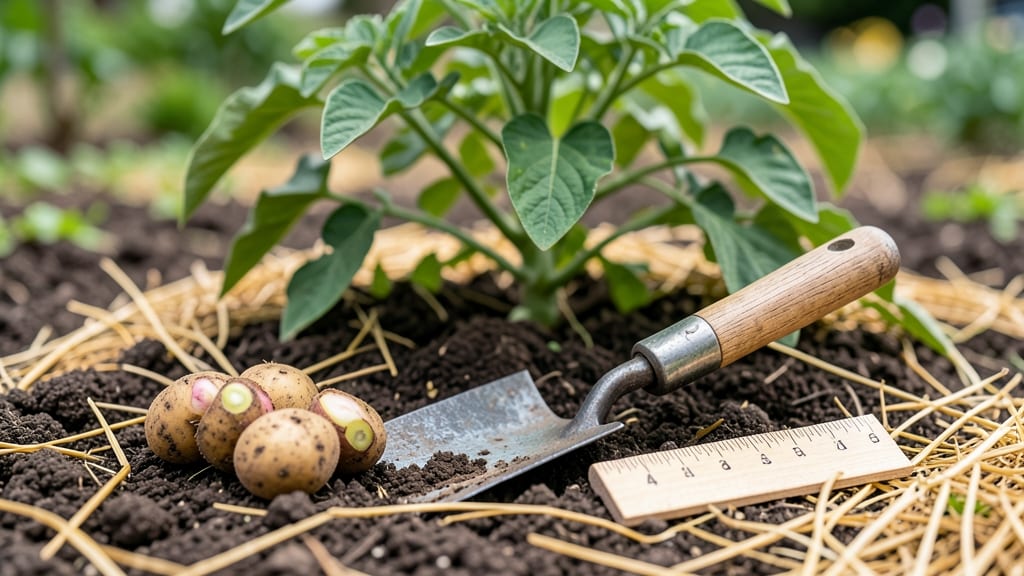
To plant potatoes at how deep you have to plant them, aim for 4 to 6 inches below soil level—this is the golden rule for fast sprouting and strong tuber growth 🥔.
Planting too shallow exposes tubers to light, turning them green and bitter, while burying them too deep slows growth and can even rot the potatoes before harvest. I’ve lost entire rows to these mistakes, and trust me, you don’t want to repeat them.
But here’s the catch: soil type, climate, and even the potato variety play a role. Sandy soil drains faster, so you might need to plant slightly deeper, while clay holds moisture longer, allowing for a shallower start. The key is balancing depth with your local conditions to maximize yield.
In this guide, I’ll break down the exact inches for different varieties, how to adjust for your garden’s soil, and 5 common mistakes that ruin depth—and how to fix them before it’s too late.
Optimal potato planting depth by variety: exact inches for maximum yield
Getting the planting depth right for potatoes isn't just about burying them—it's a science that directly impacts your harvest's size and speed. Most gardeners assume a one-size-fits-all approach, but potato varieties actually have specific depth needs tied to their growth cycles.
Early varieties like Yukon Gold thrive at shallower depths, while late-season types such as Russet potatoes benefit from deeper planting to support larger tubers.
The ideal soil temperature for planting is between 45-55°F, which signals the potatoes to sprout without rotting. If you plant too shallow, tubers form near the surface and turn green (due to sunlight exposure), becoming bitter and unsafe to eat.
Planting too deep, on the other hand, slows sprouting and can lead to smaller yields. The key is balancing these factors for each variety's unique needs.
Here’s the exact planting depth breakdown for different potato types, along with why these measurements matter for tuber formation:
The science behind tuber formation explains why depth matters so much. Potatoes grow tubers along underground stems called stolons. When planted too shallow, these stolons grow upward, creating small, misshapen tubers. Deeper planting encourages stolons to grow downward, producing larger, more uniform potatoes.
For example, Russet potatoes, which need space to develop their signature thick skins, thrive at 4-6 inches because they form tubers deeper in the soil.
Soil type also plays a role in adjusting depth. In sandy soil, which drains quickly, you can plant potatoes slightly deeper (1 inch extra) to retain moisture near the tubers. Conversely, in clay soil, which holds water, shallow planting (1 inch less) prevents rot.
Always loosen the soil to 8-10 inches deep before planting to ensure roots and tubers have room to expand without resistance.
For container gardening, where depth is limited, focus on varieties like Kennebec or Yukon Gold, which tolerate shallower planting (3-4 inches). Use pots at least 12 inches deep and fill them with a mix of compost and perlite to mimic well-draining garden soil.
If your containers are shallower, opt for new potato varieties, which thrive at just 1-2 inches deep and mature faster.
One pro tip I swear by is pre-sprouting your seed potatoes before planting. Place them in a bright, cool spot (around 55°F) for 4-6 weeks to encourage 1-inch sprouts.
These sprouts will grow into your plant's first stems, and planting them at the correct depth ensures they emerge quickly. For pre-sprouted potatoes, adjust the depth slightly deeper (½ inch more) to account for the existing sprouts and protect them from soil-borne diseases.
Finally, remember that hilling soil around the stems as they grow is a game-changer. Once your potato plants reach 6-8 inches tall, mound soil around the base up to the leaves. This dynamic depth adjustment encourages more tuber formation along the buried stems.
For early varieties, hill soil every 2-3 weeks; for late varieties, do it every 4-6 weeks to avoid disturbing the developing
5 Common mistakes that ruin potato depth—and how to fix them
Getting the planting depth wrong for potatoes can turn your hard work into wasted effort. Even experienced gardeners sometimes make critical errors that stunt growth or attract pests. The most common mistake?
Planting too shallow, which exposes tubers to sunlight and turns them green—a sign of solanine poisoning. But depth issues go beyond just planting shallow.
Another frequent error is burying potatoes too deep, which delays sprouting and slows tuber formation. This happens when gardeners panic about pests or assume deeper means better.
Then there’s the issue of uneven soil, where one side of the row ends up too shallow while the other is buried too deep. These mistakes might seem minor, but they add up to a poor harvest.
For container gardeners, depth becomes even trickier. Standard 5-gallon buckets or raised beds often don’t provide enough space for full-size potatoes, forcing adjustments. Rocky soil or clay-heavy ground also complicates things, making it hard to achieve the ideal 4-6 inch depth consistently.
Let’s break down these mistakes and how to fix them for a thriving potato patch.
⚠️ Critical Depth Rule for Potatoes
Plant seed potatoes 4-6 inches deep—this is the sweet spot for most varieties. Shallower than 3 inches risks green tubers (toxic), while deeper than 7 inches slows sprouting. Use a ruler or depth marker to ensure consistency across rows.
Mistake #1: Planting too shallow (under 3 inches). This exposes tubers to light, triggering chlorophyll production and turning them green. Green potatoes contain solanine, a toxic compound that makes them unsafe to eat.
The fix? Use a trowel to create trenches at the correct depth, then cover the seed potatoes with loose, compost-rich soil. For extra protection, add a 2-inch layer of straw mulch after planting.
Mistake #2: Inconsistent depth across rows. Uneven soil or hilly terrain can cause some potatoes to sit at 2 inches while others go 8 inches deep. This leads to staggered sprouting and uneven harvests. To fix this, level your planting area before digging trenches.
Use a garden rake to create a flat base, then measure depth with a stick marked at 4-6 inches. For rocky soil, amend with compost to improve consistency.
Mistake #3: Overcrowding in containers. Many gardeners cram potatoes into small pots or buckets, assuming they’ll grow smaller. But without enough depth (at least 12 inches of soil per plant), tubers become stunted or deformed.
Solution: Choose large containers (minimum 5 gallons per plant) or use grow bags designed for potatoes. If space is limited, opt for smaller varieties like ‘Yukon Gold’ or ‘Red Pontiac’, which tolerate tighter spaces better.
Mistake #4: Skipping hilling (for in-ground potatoes). Hilling—piling soil around the stems as plants grow—helps maintain the right depth for tuber formation. Without it, exposed stems can rot, and tubers may form too close to the surface.
To hill correctly, mound soil around the base of plants when they reach 6 inches tall, leaving the top leaves exposed. Repeat every 2-3 weeks until harvest.
Mistake #5: Ignoring soil type. Clay soil compacts easily, making it hard to achieve the ideal depth, while sandy soil may not hold moisture well. For clay, mix in organic matter like compost or peat moss to loosen the soil.
In sandy soil, add a retainer like coconut coir to improve water retention. Always test your soil’s drainage before planting—potatoes hate soggy roots.