
Planting
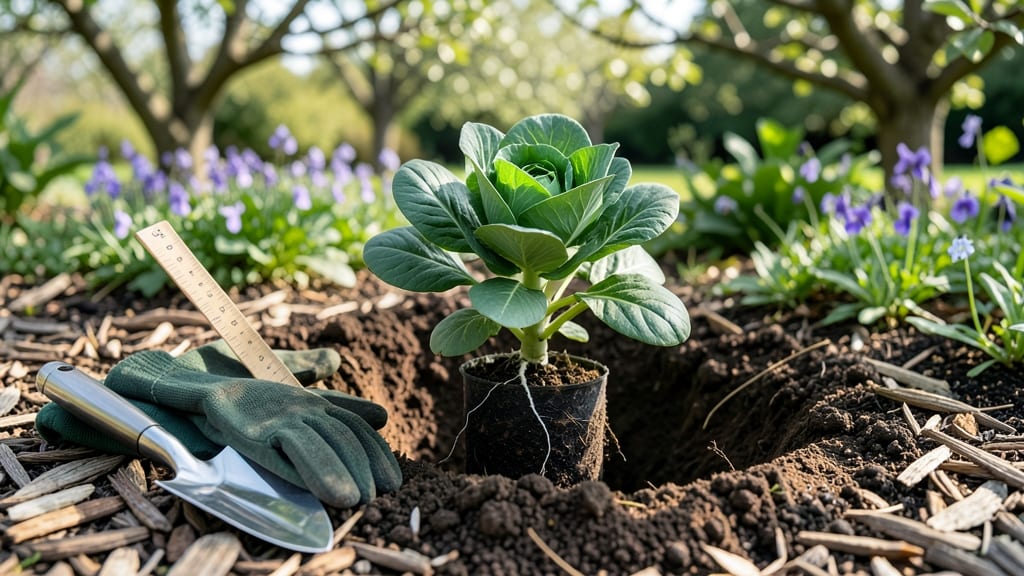
Optimal cabbage planting depth by seed type: seeds vs transplants
Getting your cabbage off to the right start means paying close attention to planting depth. Whether you're starting with tiny seeds or sturdy transplants, the depth you choose directly impacts germination rates and seedling health.
For seeds, the golden rule is 1/4 to 1/2 inch deep—any deeper, and they’ll struggle to reach the surface. Transplants, on the other hand, need a gentler touch, planted just 1 inch deep to avoid disturbing their delicate roots.
Why does depth matter so much? Cabbage seeds contain limited energy reserves—if buried too deep, they’ll exhaust their resources trying to surface. Meanwhile, transplants need enough soil coverage to stabilize them but not so much that their stems rot.
Let’s break down the exact measurements and tips to ensure your cabbage thrives from day one.
| Plant Type | Planting Depth | Spacing | Germination Time | Soil Temp Requirement |
|---|---|---|---|---|
| Direct Seeds | 1/4 to 1/2 inch | 18-24 inches apart | 7-14 days | 45-85°F (7-29°C) |
| Transplants | 1 inch deep | 12-18 inches apart | N/A (already sprouted) | 50-70°F (10-21°C) |
| Dwarf Varieties | 1/4 inch max | 12-15 inches apart | 5-10 days | 50-65°F (10-18°C) |
| Large Heads | 1/2 inch deep | 24 inches apart | 10-14 days | 60-80°F (15-27°C) |
For direct-seeded cabbage, the 1/4 to 1/2 inch depth is critical. Use your finger or a small ruler to mark the spot—this ensures seeds aren’t buried too shallow (which dries them out) or too deep (which delays sprouting).
If your soil feels compacted, loosen it slightly with a fork to help roots establish faster. Pro tip: Press the soil gently around seeds to create good seed-to-soil contact, which speeds up moisture absorption.
When planting transplants, focus on the soil line on the stem. It should sit just below the surface—no deeper, or you risk stem rot. Gently firm the soil around the base to eliminate air pockets, then water thoroughly.
Transplants need immediate hydration to recover from the shock of being moved. If your cabbage variety has a longer stem (like savoy types), bury it slightly deeper to encourage stability.
Soil temperature plays a hidden but crucial role in germination speed. Cabbage seeds need soil that’s at least 45°F (7°C) to sprout, but the sweet spot is 60-70°F (15-21°C).
If your soil is cooler, consider using a heat mat or planting in a warmer microclimate, like near a south-facing wall. Cold soil slows germination by up to 50%, turning a 7-day wait into 10-14 days. Always check soil temp with a thermometer for accuracy.
Once seeds sprout, thin seedlings to the recommended spacing (12-18 inches apart) to prevent competition. Overcrowding leads to pale, leggy plants with poor head formation. Use sharp scissors to snip unwanted seedlings at soil level—this avoids disturbing the roots of your keepers.
For transplants, space them wider (up to 24 inches) if growing large varieties like Hubbard or January King.
After planting, keep the soil consistently moist but not soggy. Cabbage roots need oxygen, so avoid waterlogging. A light mulch (like straw) helps retain moisture and regulate soil temperature.
For seeds, a clear plastic dome or row cover can create a mini greenhouse effect, speeding up germination by 3-5 days in cooler climates. Just remember to remove it once sprouts appear to prevent damping off disease.
If you’re planting in containers, use a deep pot (at least 12 inches tall) to accommodate the full root system. The planting depth rules stay the same, but container-grown cabbage may need more frequent watering since pots dry out faster.
Choose a well-draining mix with compost to provide nutrients without compacting the soil. For container transplants, bury them to the same depth they were in their nursery pot to avoid stress.
Finally, pay attention to your last frost date. Cabbage is a cool-season crop, so planting too early (when soil is still cold) or too late (when heat sets in) can stall growth. Aim to plant seeds 4-6 weeks before your last frost for a head start.
If you’re in a warm climate, opt for bolting-resistant varieties like Golden Acre or Early Jersey Wakefield, which tolerate higher temps better.
With the right planting depth and soil conditions, your cabbage will sprout reliably and grow into robust, harvest-ready plants. Start with these guidelines, adjust for your local climate, and soon you’ll be enjoying homegrown heads that rival the grocery store—without the mystery of why half your seeds
Soil temperature secrets to speed up cabbage germination
Soil temperature is the secret weapon for faster cabbage germination—often overlooked but critical. While we covered planting depth in the previous section, soil warmth directly controls how quickly (or slowly) your seeds break through the soil. The ideal range isn't just one number—it varies by variety and stage.
For example, dwarf varieties like 'Miniature Peanut' germinate best at 50-65°F (10-18°C), while heat-tolerant types such as 'Cavalo' thrive at 60-80°F (15-27°C). Understanding these nuances can cut your wait time by nearly half.
Most gardeners assume "warm soil" means instant sprouts, but too-hot soil (above 85°F/29°C) can actually stunt germination. The sweet spot is 60-70°F (15-21°C) for most cabbage varieties—this range activates enzymes in the seed that trigger growth.
To check your soil's temperature accurately, invest in a soil thermometer (they're cheap and game-changing). Stick it 1 inch deep where you'll plant, and check it for 3-5 days before sowing. Morning readings are most reliable since soil cools overnight.
Germination Speed: ⏳ Slow (<45°F) | ⚡ Fast (60-70°F) | ❌ Stunted (>85°F)
Best for: Most varieties (60-70°F) | Dwarf types (50-65°F) | Heat-tolerant (65-80°F)
If your soil consistently runs below 50°F (10°C), don't despair—there are proven solutions. A heat mat (available at garden centers for under $20) can raise soil temperature by 10-15°F instantly. Place it under your seed trays or directly in the garden bed before sowing.
For in-ground planting, create a microclimate by planting near a south-facing wall or under a clear plastic tunnel. Even a simple black plastic mulch (laid before planting) absorbs heat during the day and radiates it back at night, creating a 5-10°F warmer environment.
Row covers are another game-changer for cool climates. Lightweight frost blankets (made of spun-bond polyester) trap heat while allowing sunlight to penetrate. Drape one over your newly planted seeds and secure the edges with bricks or soil. This can accelerate germination by 3-7 days in chilly conditions.
Just remember to remove the cover once sprouts appear to prevent condensation buildup, which promotes fungal diseases like damping off. For extra insurance, water the soil (not the seeds) with warm water (around 70°F/21°C) the day before planting—this jumpstarts the germination process.
Troubleshooting slow germination often comes down to three key factors: soil temperature, moisture consistency, and seed viability. If you've planted at the right depth (as we covered earlier) but seeds still take 3+ weeks to sprout, test your soil temperature first.
A soil thermometer is your best friend here—don't guess! If the temp is correct but germination is still sluggish, soak your seeds overnight in lukewarm water before planting. This hydrates them and can trigger faster enzyme activation.
For stubborn seeds, try a seed scarification technique: lightly sandpaper the seed coat to help water penetrate more easily.
Once your cabbage seedlings emerge, maintain that ideal soil temperature for the first 2-3 weeks of growth. Young seedlings are most vulnerable to temperature swings. If nighttime temps drop below 40°F (4°C), protect them with a row cover or move containers to a sheltered spot.
Conversely, if daytime temps exceed 85°F (29°C), provide afternoon shade to prevent bolting (when plants prematurely flower). Mulching with straw or grass clippings helps stabilize soil temperature and retain moisture—two critical factors for strong, healthy seedlings.
Pro tip: Plant a test row of cabbage seeds a week before your planned planting date. Monitor the soil temperature and germination progress—this gives you real data to adjust your timing for the main crop.
Many gardeners discover their soil warms up 2-3 weeks earlier than they expected, allowing for a longer growing season. By mastering soil temperature, you'll not only speed up germination but also extend your cabbage harvest window by weeks.
The key is consistency: check temps regularly, adapt your methods, and your seeds will reward you with vigorous, uniform sprouts every time.