
Planting
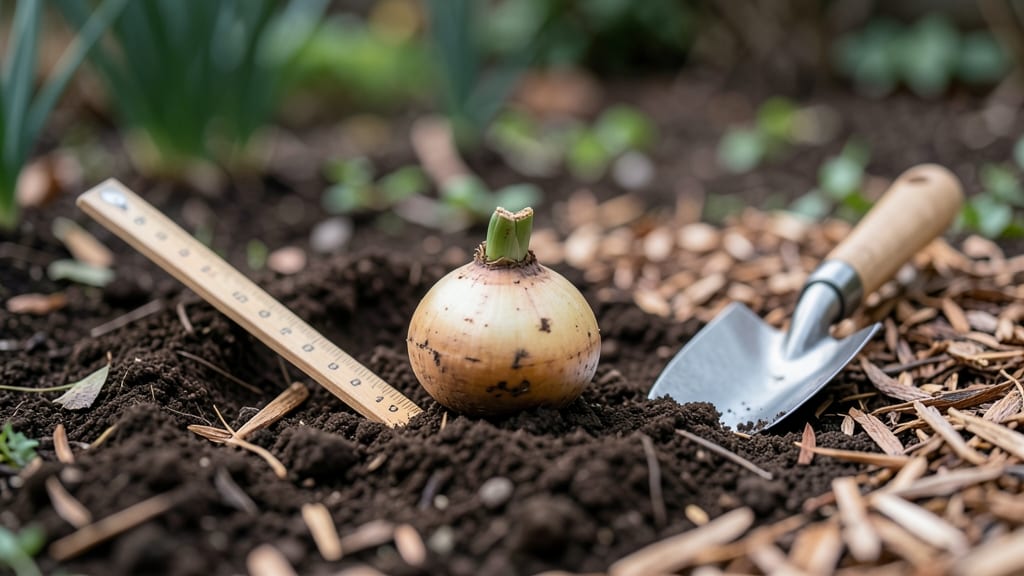
Planting daffodil bulbs 6 to 8 inches deep in the ground is the secret to stronger stems and more reliable blooms every spring.
If you’ve ever planted daffodils only to see weak stems or no flowers, chances are the depth was off. Too shallow, and the bulb won’t anchor properly; too deep, and the roots struggle to reach nutrients.
The 6- to 8-inch rule isn’t just a guideline—it’s the foundation for healthier plants that thrive year after year.
In this guide, I’ll walk you through exactly how to measure depth, adjust for soil type, and avoid common mistakes that leave bulbs vulnerable. Whether you’re a first-time planter or a seasoned gardener, mastering this step ensures your 🌼 daffodils come back bigger and bolder.
You’ll also discover when to plant (fall, of course), how spacing affects growth, and why mulching makes all the difference. Let’s get those bulbs in the ground the right way!
The 6- to 8-Inch planting depth rule explained for daffodils
The 6- to 8-inch planting depth for daffodils isn’t arbitrary—it’s rooted in science. This range ensures bulbs develop strong roots before winter, while allowing stems to push through soil easily in spring.
When planted too shallow, bulbs can rot or produce weak stems that flop over. Too deep, and they struggle to reach nutrients or may never bloom.
Think of it like a foundation for a house: too shallow, and it collapses; too deep, and the structure becomes unstable. The same principle applies to daffodils.
Their root systems need space to spread, while the stem must have room to emerge without obstruction. This balance is key to vibrant blooms year after year.
Your soil type also plays a role. Sandy soil drains faster, so you might plant slightly deeper (closer to 8 inches) to retain moisture. Clay soil, which compacts easily, may require shallower planting (around 6 inches) to prevent root suffocation. Always adjust based on your garden’s conditions.
Here’s the science: Daffodil bulbs store energy in their basal plate (the flat bottom). When planted at the right depth, this plate sits just below the frost line, protecting it from winter freeze-thaw cycles.
Meanwhile, roots grow downward, while stems push upward—both processes thrive within this 6- to 8-inch window.
Common mistakes can derail your daffodils before they even sprout. Planting too shallow (3-4 inches) often leads to rot or weak stems that can’t support the flower. Planting too deep (10+ inches) delays blooming or prevents it entirely, as the bulb struggles to send up stems.
The result? A garden full of leafy greens but no flowers.
| Factor | Standard Depth | Adjustments | Why It Matters |
|---|---|---|---|
| Bulb Size | 6-8 inches | Large bulbs: 7-8 in; Small bulbs: 5-6 in | Prevents stem weakness or rot |
| Soil Type | 6-8 inches | Sandy: 7-8 in; Clay: 5-6 in | Balances moisture and drainage |
| Climate | 6-8 inches | Cold zones: 7-8 in; Mild zones: 5-6 in | Protects from frost heave |
| Spacing | N/A | 6-12 inches apart | Avoids overcrowding and disease |
| Mulch Depth | 2-3 inches | After planting | Insulates roots in winter |
Bulb size is another critical factor. A large daffodil bulb (like those of ‘King Alfred’) may need up to 8 inches of depth to support its taller stems, while miniature varieties (such as ‘Tête-à-Tête’) thrive at 5-6 inches.
Always check the bulb’s diameter—most require 3x their height in depth.
Frost resistance is where depth shines. When planted correctly, daffodil bulbs sit just below the frost line, allowing roots to establish before winter. This natural insulation prevents frost heave, where freezing and thawing cycles push bulbs too close to the surface.
Over time, this can expose bulbs to rot or pests.
Pro tip: Use a trowel or depth gauge to measure holes accurately. Press the bulb into the soil so its basal plate faces downward—this ensures roots grow straight down while stems emerge upward. Fill the hole with soil, then gently firm it around the bulb to eliminate air pockets.
If you’ve ever planted daffodils and wondered why they didn’t bloom, chances are the depth was off. Weak stems, no flowers, or even rot are often red flags.
By sticking to the 6- to 8-inch rule and adjusting for your soil and climate, you’ll set your daffodils up for success—year after year.
Remember, the goal isn’t just to plant; it’s to plant right. With the correct depth, your daffodils will reward you with stronger stems, healthier roots, and show-stopping blooms that brighten your garden every spring. 🌼
Step-by-step guide: how to plant daffodil bulbs at the perfect depth
Planting daffodil bulbs correctly starts with soil preparation. Choose a location with full sun (6+ hours daily) and well-draining soil. Work in a 2-inch layer of compost to enrich the soil and improve drainage.
If your soil is heavy clay, mix in sand or perlite to prevent waterlogging, which can rot bulbs.
Timing is everything—plant daffodil bulbs in fall, ideally 4-6 weeks before the ground freezes. In most climates, this means October or November. The bulbs need time to establish roots before winter.
If you’re in a warmer zone (Zone 8+), plant in late fall or early winter to avoid early sprouting.
- 1 Measure the bulb: Hold the bulb with the pointy end up. The rule of thumb is to plant 3 times the bulb’s height deep. For a 2-inch bulb, aim for 6 inches deep.
- 2 Mark the hole: Use a trowel or depth gauge to dig a hole. For precise depth, insert the tool and check the measurement. The hole should be twice as wide as the bulb to allow roots to spread.
- 3 Place the bulb: Gently position the bulb in the hole with the pointy side facing up. Avoid touching the bulb—oils from your hands can cause rot. Space bulbs 4-6 inches apart for smaller varieties or 6-8 inches apart for giant daffodils.
- 4 Cover and mulch: Fill the hole with soil, pressing lightly to remove air pockets. Top with a 2-inch layer of mulch (straw or shredded leaves) to insulate the bulbs and retain moisture. Avoid thick mulch, which can cause rot.
After planting, water deeply but gently to settle the soil around the bulbs. Avoid overwatering, which can dislodge them. In colder climates (Zones 3-5), add an extra 1-2 inches of mulch to protect bulbs from freezing temperatures. This extra layer acts as insulation without suffocating the plant.
Once the ground freezes, your daffodils are ready for winter. The 6- to 8-inch depth ensures they’ll survive frost and emerge stronger in spring. In warmer zones (Zones 7-10), plant slightly deeper (8 inches) to prevent premature sprouting.
Avoid disturbing the soil in early spring—let the foliage die back naturally to feed the bulb for next year’s blooms.
Pro tip: If you’re planting in containers, use a well-draining mix and plant bulbs 2 inches deeper than in the ground. This accounts for the lack of natural soil insulation. Water containers less frequently but deeply to prevent soggy roots.