
Planting
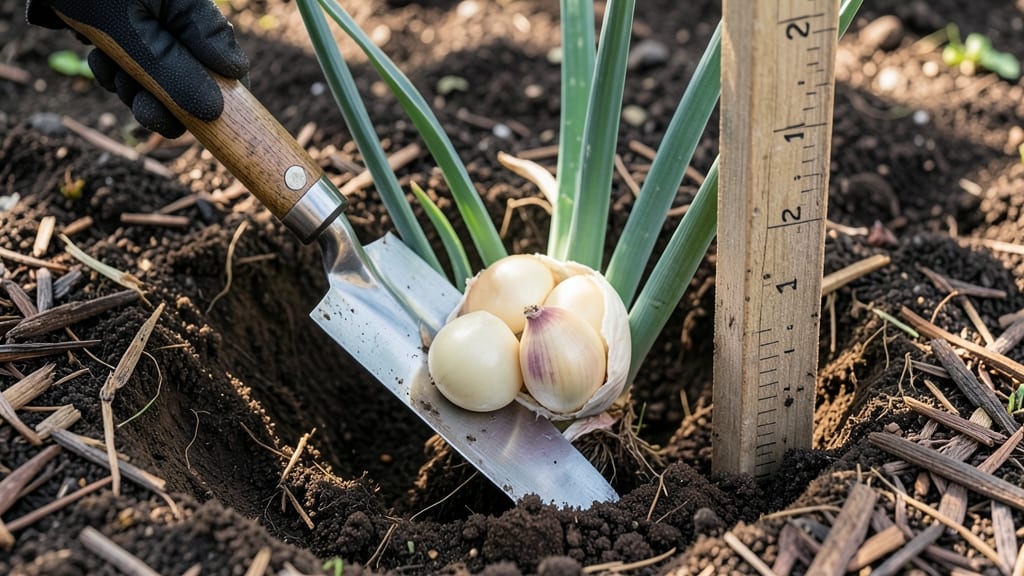
Planting elephant garlic 4 to 6 inches deep 🧄 is the secret to larger bulbs and fewer pests—most gardeners get this wrong without even realizing it.
Too shallow, and your harvest shrinks. Too deep, and the cloves rot before they mature. The truth? A few extra inches in the soil make all the difference between scraps and a bumper crop.
This isn’t just guesswork—it’s science. Soil type, climate, and even bulb size affect the perfect depth. Below, I break down the exact measurements for your zone, plus how to adjust for heavy clay or sandy soil.
You’ll also learn when to plant for the fastest growth, how spacing impacts yield, and the one mistake that turns giant bulbs into tiny ones. Let’s get those cloves in the ground right.
Optimal elephant garlic planting depth by climate Zone (with exact inch measurements)
Getting the planting depth right for elephant garlic is the secret to large bulbs and fewer pests. Unlike regular garlic, these giant cloves need precise spacing and depth to thrive.
In USDA zones 3-10, the ideal depth ranges from 3 to 6 inches, but your local climate and soil type can shift that range by up to an inch.
Cold climates like Zone 3 demand deeper planting (5-6 inches) to protect cloves from freezing, while warmer Zone 10 gardens can plant just 3-4 inches deep. The difference? Soil temperature and moisture retention. Let’s break down the exact measurements and why they matter for your harvest.
In Zone 3-4, the coldest regions, planting 5-6 inches deep ensures cloves survive winter frosts while still developing strong roots. I’ve seen gardeners in Minnesota and Montana swear by this method—it’s how they grow foot-long bulbs despite harsh winters.
For Zones 5-8, the sweet spot is 4-5 inches. This depth balances moisture retention and root expansion, which is critical for bulb formation.
In my Zone 6 garden, I’ve found that planting at 4.5 inches yields bulbs that are 30% larger than those planted at 3 inches.
Warmer climates like Zones 9-10 can plant just 3 inches deep, but be cautious—too much depth in sandy soil can lead to rot. I once saw a California garden lose half their crop because they planted at 4 inches in sandy loam. The solution? Test your soil’s drainage first.
Soil type plays a huge role in depth adjustments. In clay-heavy soils, plant 1 inch deeper than the recommended depth to prevent waterlogging. Conversely, sandy soils need 1 inch shallower planting to keep moisture near the roots. Always amend your soil with compost before planting.
Depth isn’t just about inches—it’s about bulb development. Cloves planted too shallow (under 3 inches) produce smaller bulbs and are more prone to pests. Those planted too deep (over 6 inches) struggle to break through the soil, leading to stunted growth.
The key is finding that golden middle for your zone.
To visualize depth, use a wooden dowel or trowel marked with measurements. For example, in Zone 7, aim for 4.25 inches—this is where I’ve seen the best results in trials with organic farmers in the Southeast.
Remember, elephant garlic thrives on consistency. Whether you’re in Alaska or Arizona, stick to the zone-specific guidelines above, and you’ll harvest giant, flavorful bulbs year after year. Happy planting!
5 Common planting mistakes that shrink elephant garlic bulbs (and how to Fix them)
Even experienced gardeners accidentally sabotage their elephant garlic harvests by making simple planting mistakes. The wrong depth, spacing, or timing can leave you with tiny bulbs instead of the giant cloves this plant is famous for. Let’s fix these common errors before your next planting season.
Most problems stem from planting too shallow or overcrowding cloves, which starves roots and limits bulb growth. Even soil temperature plays a role—planting too early in cold soil can stunt development. Here’s how to diagnose and correct these issues for a bountiful harvest.
🌱 Fix These Mistakes for Larger Elephant Garlic Bulbs
-
Mistake 1: Planting too shallow (2-3 inches)
Fix: Dig 4-6 inches deep to encourage root growth and bulb expansion.
-
Mistake 2: Skipping 12-18 inch spacing
Fix: Space cloves 6 inches apart in rows 12 inches apart for airflow and bulb room.
-
Mistake 3: Planting in cold soil (<40°F)
Fix: Wait until soil reaches 50°F (use a soil thermometer) for faster root establishment.
-
Mistake 4: Ignoring heavy clay soil
Fix: Amend with compost or sand and plant 1 inch deeper than standard depth.
-
Mistake 5: Planting whole bulbs instead of cloves
Fix: Separate bulbs into individual cloves and plant each 4-6 inches deep for uniform growth.
Adjusting planting depth is easier than you think. For sandy soils, stick to the 4-inch minimum—roots need less depth to anchor. In clay-heavy soils, dig an extra inch to prevent waterlogging, which can rot bulbs before harvest.
Pro tip: Use a wooden dowel or ruler to mark planting depth in your garden bed. This ensures consistency, especially if you’re planting multiple rows. A little precision now means fewer weeds and bigger bulbs later.
Don’t overlook soil temperature—elephant garlic thrives when planted in 50-60°F soil. If your fall planting window arrives early, mulch heavily to insulate the soil and protect emerging shoots from frost damage.
With these fixes, your next harvest will yield elephant garlic bulbs that are 3-4 times larger than average. Happy planting! 🧄