
Planting
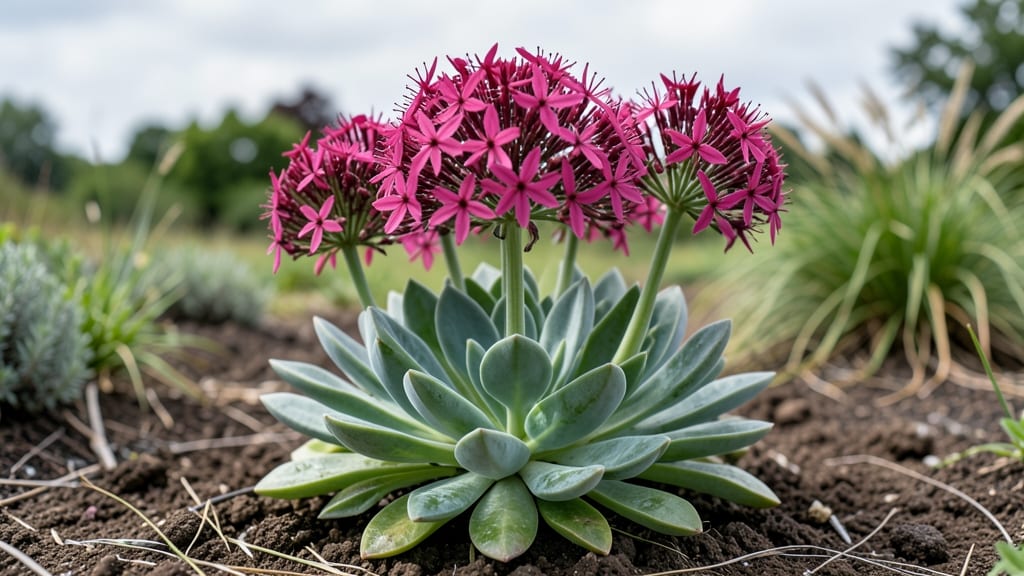
Star sedum plants thrive in bright, indirect light and well-draining soil, requiring minimal watering once established. Their succulent nature makes them drought-tolerant but sensitive to overwatering, which can cause root rot. Ideal for sunny windowsills, containers, or rock gardens with proper airflow.
These striking succulents stand out with their star-shaped leaves and vibrant colors, making them perfect for both indoor decor and outdoor landscaping. 🌟 The key to their success lies in mimicking their natural desert habitat—think sandy, gritty soil that drains quickly to prevent soggy roots.
I’ve found that star sedum actually performs better with a bit of shade during peak afternoon sun, especially in hot climates, as this prevents leaf scorch while still maintaining their brilliant hues.
Their low-maintenance nature makes them ideal for beginners, though they’ll reward patient gardeners with lush, compact growth when given the right conditions.
What’s fascinating about star sedum is how their care routine changes with seasons. In winter, they’ll happily go months without water, while spring and summer demand more frequent checks—only water when the top inch of soil feels completely dry.
Pruning isn’t just about aesthetics; it encourages denser foliage and prevents leggy growth. And here’s a pro tip: those fallen leaves? Simply lay them on dry soil to propagate new plants—nature’s way of multiplying your collection for free!
💡 In This Article
- Optimal Light and Soil Conditions for Star Sedum
- Watering, Pruning, and Propagation Tips for Star Sedum
Optimal light and soil conditions for star sedum
Star sedum thrives in bright, indirect light, but its tolerance varies based on the specific variety. The star-shaped leaves contain pigments that react to light intensity—more direct sun enhances their vibrant colors (especially red or purple varieties), while too much scorching midday sun can bleach or crisp the edges.
In my experience, placing them near an east-facing window provides gentle morning light without the harsh afternoon rays, ideal for maintaining their striking appearance. 🌞 Unlike desert cacti, star sedum prefers this balance because its leaves are thicker than typical succulents but still sensitive to heat stress.
The soil composition is equally critical—star sedum demands a well-draining mix with a gritty texture to mimic its natural rocky habitats. A blend of 50% cactus/succulent soil, 30% perlite or pumice, and 20% coarse sand creates the perfect drainage while retaining just enough moisture.
This prevents the dreaded root rot, which can set in within 48 hours of soggy conditions. For comparison, echeveria (another popular succulent) can handle slightly more moisture, but star sedum’s delicate roots need that extra airflow—think of it like giving your plant a "desert spa" with every watering.
What most people overlook is how container choice affects soil behavior. Terracotta pots with unglazed surfaces wick away excess moisture, while plastic traps humidity against the roots. I’ve seen star sedum in plastic pots develop fungal issues within weeks, even with "good" soil, because the roots suffocate. 🌱 The solution?
Elevate containers on pebbles or use saucers with drainage holes to prevent water pooling. For outdoor planting, raised beds or rocky crevices replicate their natural environment, where water quickly drains away after rain.
Seasonal adjustments are key—star sedum can handle full morning sun in spring and fall, but during summer’s peak (especially in zones 9-11), afternoon shade becomes non-negotiable.
The leaves will tell you what they need: healthy ones stay plump and upright, while wrinkled or translucent leaves signal thirst, and dark spots mean overwatering. Pro tip: Rotate your pots occasionally to ensure even light exposure, preventing lopsided growth that’s common in window gardens.
One fascinating quirk is how star sedum’s pigmentation deepens when exposed to cooler temperatures (like a winter windowsill). The red varieties, in particular, develop a richer hue as a natural sunscreen adaptation—similar to how human skin tans.
This is why gardeners in colder climates often see their star sedum turn more vibrant in late fall. The trade-off? They’ll need slightly less water in winter, as growth slows dramatically during dormancy. 💫