
Plants
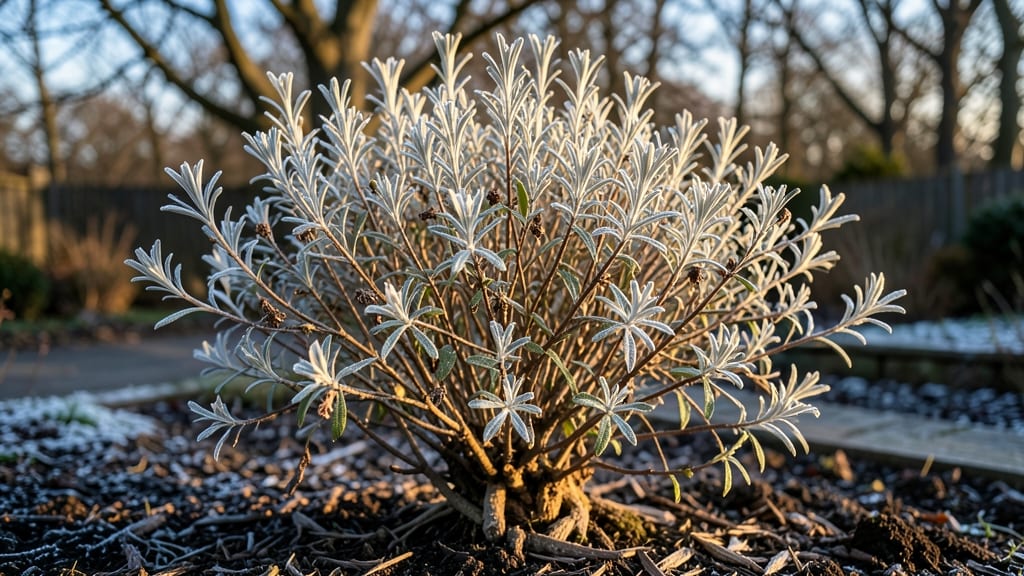
Bluebeard plant winter care requires protection in zones colder than 5, where it risks dieback without proper preparation. In hardier zones (5-9), it thrives outdoors year-round, but even there, strategic pruning and mulching extend its lifespan through cold snaps.
Bluebeard plants, native to Mediterranean climates, handle winter differently depending on your region. 🌡️ In USDA Zones 5-9, they naturally enter dormancy when temperatures drop, conserving energy until spring. The key to survival in colder areas lies in protecting the roots—where most damage occurs—using thick mulch or burlap wraps.
I’ve seen dramatic regrowth in spring after following this method, even in Zone 4 with proper insulation.
For potted plants, move them to unheated garages or covered porches where temperatures stay above freezing. The foliage will yellow and die back, but the root system remains viable. In spring, new growth emerges from the base, proving that winter prep pays off.
Always wait until the last frost date to prune back dead stems—this prevents exposing tender new shoots to late cold snaps.
💡 In This Article
- Bluebeard Plant Cold Hardiness by USDA Zone
- Step-by-Step Winter Care for Bluebeard Plants
Bluebeard plant cold hardiness by USDA Zone
The bluebeard plant (Caryopteris × clandonensis) originates from Mediterranean regions where winters are mild but can experience frost. This native range explains its natural hardiness in USDA Zones 5-9, where it can survive winter temperatures as low as -20°F (-29°C) in Zone 5.
The plant's resilience stems from its ability to enter dormancy when temperatures drop below 40°F (4°C), conserving energy in its roots and woody stems until spring warmth signals regrowth.
What sets bluebeard apart is its deep root system, which can extend 2-3 feet into the soil. These roots store carbohydrates during the growing season, fueling the plant's revival in spring.
In colder zones (like Zone 4), the roots may survive -10°F (-23°C) if protected, but prolonged exposure to below -15°F (-26°C) risks dieback. The key difference between hardy and marginal zones comes down to root insulation—in Zone 5, the ground naturally insulates roots, while Zone 4 requires additional protection.
The plant's foliage, however, is far less cold-tolerant. Leaves begin to yellow and die back at 32°F (0°C), a natural process that prevents frost damage to the plant's core.
This is why pruning dead foliage in late winter (after the last frost) is critical—it redirects the plant's energy toward root and stem regrowth rather than maintaining damaged leaves.
In my experience, plants in Zone 6-9 often retain some green foliage through winter, while those in Zone 5 typically go completely dormant.
For gardeners in Zone 4 or colder, the challenge shifts to mimicking the plant's native Mediterranean climate. This means combining root insulation (mulch or burlap) with above-ground protection (frost cloth or row covers) during the coldest months.
The science here is straightforward: cold air is denser and sinks, so protecting the base of the plant (where roots emerge) prevents the ground from freezing solid. A 4-6 inch layer of mulch can raise soil temperatures by 5-10°F, making the difference between survival and loss.
Consider this comparison: in Zone 7, a bluebeard plant might experience 10-20 frost days per year, while in Zone 4, that number jumps to 50-70 frost days. The prolonged exposure to freezing temperatures in colder zones is why root protection becomes non-negotiable.
Without it, the roots can't access stored nutrients, and the plant struggles to regrow in spring. 🌱
One nuance worth noting is how container-grown bluebeard plants handle winter differently. Pots freeze more quickly than in-ground plants because they lack the thermal mass of surrounding soil.
In containers, the roots are exposed to temperature swings, so moving them to a sheltered location (like a garage) where temps stay above 20°F (-7°C) is essential. Even then, wrapping the pot in bubble wrap or insulating foam can add an extra 5-8°F of protection.