
Planting
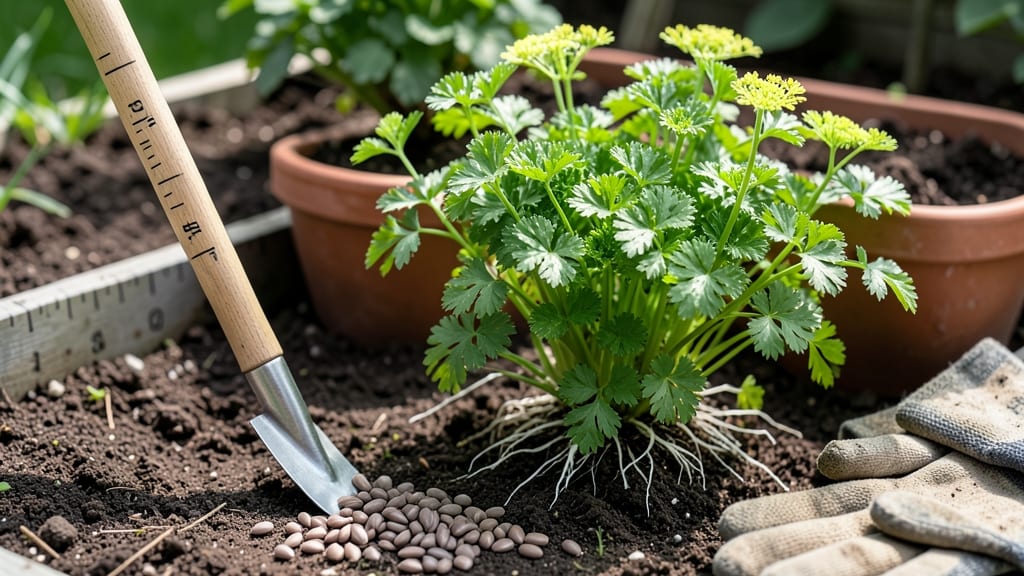
How deep to plant parsley seeds—just 1/8 to 1/4 inch below soil—is the secret to fast germination and strong, healthy plants.
Struggling to get your parsley seeds to sprout? The secret often lies in planting depth—too shallow or too deep, and germination fails. Learn the precise soil depth for parsley seeds to ensure fast, healthy growth every time.
In USDA Zone 6a, where spring planting starts in March, the key is keeping seeds moist and warm while avoiding overcrowding. A little patience and the right technique can turn a patchy garden into a lush, flavorful harvest by June.
Below, I’ll walk you through the exact steps for planting parsley seeds at the perfect depth, plus troubleshooting tips for common issues like slow sprouts or uneven growth.
Optimal parsley seed planting depth for fast germination
Getting your parsley seeds to sprout consistently can feel like a guessing game—especially when it comes to planting depth. Unlike larger seeds, parsley seeds are tiny and delicate, requiring precise placement to trigger fast germination.
The ideal soil depth for parsley seeds falls between ¼ inch and ½ inch, but even this range can be tricky if soil conditions aren’t right. Understanding how moisture, temperature, and seed placement interact will help you avoid common germination pitfalls.
Parsley seeds are light-dependent germinators, meaning they need just enough light to trigger sprouting but not so much that they dry out.
Planting too shallow (less than ¼ inch) risks exposing seeds to rapid drying, while planting too deep (over ½ inch) starves them of the oxygen needed to break through the soil.
The key is striking a balance where seeds stay moist and protected while still receiving the subtle light signal they need to wake up.
| Factor | Optimal Specification | Troubleshooting Tip |
|---|---|---|
| Planting Depth | ¼ inch to ½ inch | Use a ruler or toothpick for precision |
| Soil Temperature | 60°F to 75°F (15°C to 24°C) | Use a seedling heat mat if soil is cold |
| Moisture Level | Consistently damp (not soggy) | Mist seeds daily until sprouts appear |
| Light Exposure | Indirect light during germination | Cover with lightweight cloth if too bright |
| Germination Time | 14 to 30 days | Soak seeds overnight to speed up process |
Soil temperature plays a critical role in parsley germination. These seeds thrive when soil stays between 60°F and 75°F (15°C to 24°C). If your climate runs cooler, consider using a seedling heat mat or planting in a greenhouse to maintain ideal conditions.
Cold soil slows metabolism, delaying sprouts by weeks. Conversely, soil that’s too hot can cause seeds to dry out before germinating. Always check soil temperature with a thermometer before planting for best results.
Moisture is another germination game-changer. Parsley seeds need consistent dampness but will rot if submerged in water. After planting, gently mist the soil surface with a spray bottle to keep it evenly moist. Avoid overhead watering, which can dislodge seeds or create uneven moisture levels.
A clear plastic dome or humidity tray can help maintain ideal humidity levels during the 14-to-30-day germination window. Once sprouts appear, reduce humidity slightly to prevent fungal issues.
If your parsley seeds aren’t sprouting within 3 weeks, don’t panic—yet. First, check if seeds are still viable by soaking a few in warm water overnight. If they swell, they’re likely good; if not, they may have expired.
Another common issue is seed dormancy, where seeds need a period of cold stratification to break dormancy. For parsley, this means planting in early spring or late fall when soil temperatures naturally fluctuate. If you’re planting in summer, try pre-chilling seeds for 1-2 weeks before sowing.
Light exposure during germination is often overlooked but crucial. While parsley seeds need some light to trigger sprouting, direct sunlight can dry them out too quickly. Use indirect light or shade cloth until sprouts emerge, then gradually introduce more sunlight.
If growing indoors, place seeds near a south-facing window or under grow lights set to 12 hours of light daily. This balance ensures seeds get the light signal they need without drying out.
For container gardening, use well-draining pots with a mix of potting soil and perlite to prevent compaction. Press seeds gently into the soil surface—don’t pack them down—and cover with a thin layer of vermiculite to mark planting lines.
This helps maintain consistent moisture levels while keeping seeds at the optimal ¼-inch depth. Containers also allow you to control soil conditions more precisely than in-ground planting.
Once sprouts appear, thin seedlings to 6-12 inches apart to give roots space to grow. Use scissors to snip unwanted seedlings at soil level to avoid disturbing the roots of remaining plants. This step is crucial for preventing crowding, which leads to leggy, weak stems.
After thinning, water deeply to help roots establish in their new spacing. With the right planting depth and care, your parsley should reach harvestable size in 70-90 days.
Remember, parsley is a biennial herb, meaning it may bolt (flower) in its first year if stressed. To delay bolting, keep soil consistently moist and provide 6+ hours of sunlight daily. With these tips, you’ll enjoy fresh parsley all season long—starting with the perfect seed-planting depth! 🌱
Step-by-step guide: planting parsley seeds at the right depth
Planting parsley seeds at the correct depth is the first step to ensuring strong germination and healthy growth. As an herb lover, I’ve learned that parsley seeds need just the right conditions to break through the soil and thrive.
The ideal soil depth for parsley seeds is 1/8 to 1/4 inch, but getting it right requires a few extra steps beyond just dropping seeds into the ground.
Before you even think about depth, your soil must be prepped properly. Start with loose, well-draining soil enriched with compost. Parsley prefers fertile soil with a slightly acidic to neutral pH (around 6.0-7.0).
If your garden soil is heavy or compacted, mix in organic matter like compost or aged manure to improve drainage and aeration. This ensures your seeds won’t suffocate or rot before they sprout.
How to Plant Parsley Seeds at the Perfect Depth
- Step 1: Loosen the soil to a depth of 2-3 inches using a garden fork or trowel. This creates space for roots to grow without resistance.
- Step 2: Scatter parsley seeds lightly on the surface, spacing them 6-12 inches apart for optimal growth. Avoid overcrowding, as parsley needs room to develop.
- Step 3: Use your fingertip or a small ruler to press seeds into the soil to a depth of 1/8 to 1/4 inch. Lightly cover them with soil or a thin layer of compost.
- Step 4: Gently water the area until the soil is moist but not soggy. Keep the soil consistently moist during germination, which typically takes 2-4 weeks.
- Step 5: Once seedlings emerge, thin them to 6-8 inches apart to give each plant enough space to grow strong and healthy.
Pro Tip: Use a toothpick or skewer to mark seed rows if you’re unsure of spacing—it’s a gardener’s secret for precision!
After planting, maintaining the right conditions is just as important as the depth. Keep the soil consistently moist but avoid waterlogging, which can cause seed rot. Parsley thrives in full sun to partial shade, so choose a location that gets at least 4-6 hours of sunlight daily.
If you’re planting in containers, ensure the pots have drainage holes to prevent water buildup.
One common mistake I see is planting parsley seeds too deep. If buried deeper than 1/4 inch, they may struggle to push through the soil, leading to weak or stunted seedlings.
On the flip side, planting too shallow can expose seeds to drying out or being washed away by rain. The 1/8 to 1/4 inch range strikes the perfect balance for most climates.
Once your parsley seedlings reach 2-3 inches tall, you can begin thinning them to the recommended spacing. This step might seem harsh, but it ensures each plant has enough nutrients and sunlight to grow into a robust, flavorful herb.
Remember, parsley is a biennial, meaning it can produce leaves for two years if cared for properly.
With the right depth and a little patience, your parsley seeds will sprout into lush, aromatic plants ready for your kitchen or garden. Happy planting—your future salads and soups will thank you! 🌿