
Planting
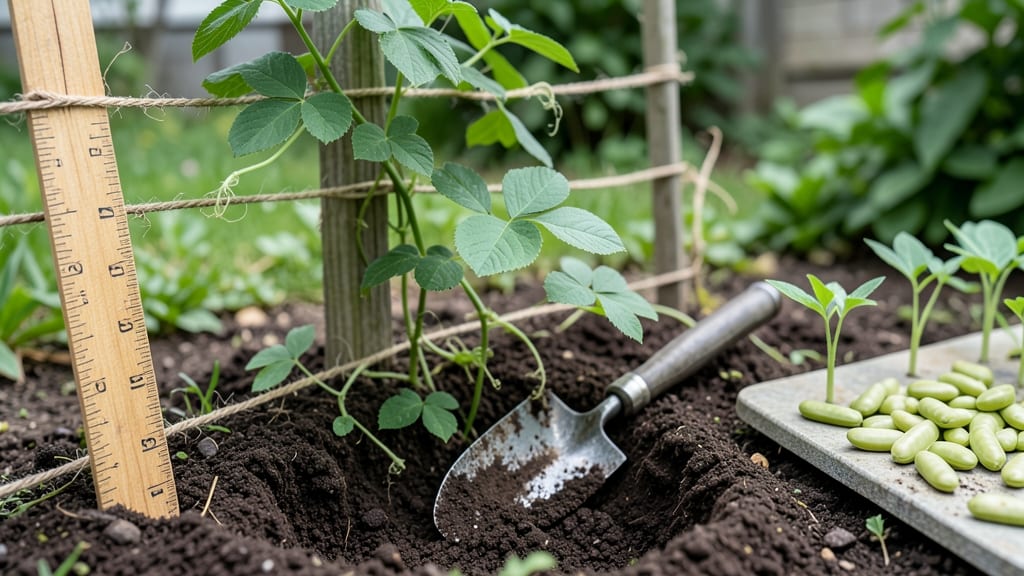
To figure out how deep to plant snap peas, the rule of thumb is simple: place them just 1 inch below soil level—any shallower or deeper, and you risk slow germination or weak plants.
I’ve watched 🌱 snap peas sit in the dirt for weeks, stubbornly refusing to sprout, only to realize the seeds were buried too deep. Or worse, planted too close to the surface, where they dried out before breaking through.
The difference between a thriving vine and a failed crop often comes down to this one simple measurement.
Why does depth matter so much? Snap peas need consistent moisture and warmth to germinate, and planting them too deep can suffocate the seeds while too shallow exposes them to drying out.
In Zone 6a, where early springs can be chilly, getting this right is the key to fast, reliable sprouts.
Below, I’ll walk you through the exact planting depth for your climate, how to prep the soil for faster germination, and the common mistakes that leave gardeners scratching their heads. With the right technique, you’ll be harvesting crisp, sweet peas in just 60 days.
The ideal snap pea planting depth for fast germination
When you're ready to plant snap peas, getting the depth right is one of the most critical steps for ensuring fast germination. Unlike some vegetables, snap peas are sensitive to both over-planting and under-planting, which can delay sprouts or even kill the seeds entirely.
The ideal depth creates the perfect balance of moisture retention and oxygen exposure—two factors that directly impact how quickly your seeds break through the soil.
Most gardeners and seed packets recommend planting snap pea seeds at a depth of 1 inch, but there’s a slightly flexible range that works best. Research shows that seeds planted between 1 and 2 inches deep achieve the highest germination rates, especially in cooler spring soils.
This range ensures the seeds stay moist enough to sprout while still allowing the young roots to access the oxygen they need to grow strong.
The science behind this depth is simple: snap pea seeds contain limited food reserves inside their seed coats. Planting them too deep forces the seedlings to use up precious energy pushing through extra soil, which can delay germination by days or even weeks.
On the flip side, planting too shallow risks exposing the seeds to drying out or being washed away by rain.
Here’s a quick visual guide to help you plant snap peas at the perfect depth:
Soil temperature plays a huge role in how deep you should plant snap peas. In cooler climates or early spring plantings, the 1-inch depth is ideal because the soil may still be chilly.
Warmer soils (above 70°F or 21°C) can handle the slightly deeper 2-inch mark, as the seeds won’t dry out as quickly. Always plant when the soil is at least 45°F (7°C)—any colder, and germination slows dramatically.
Moisture is just as important as depth. After planting, water the soil gently but thoroughly to settle the seeds into place. Avoid heavy watering, which can wash seeds deeper than intended.
A light mist or 1/4-inch of water (about 1 cup per foot of row) is usually enough to keep the soil moist without disturbing the seeds. Mulching with straw or grass clippings after planting helps retain moisture and keeps the soil temperature stable.
One of the biggest myths about snap pea planting is that deeper is always better. While some gardeners bury seeds too deep in hopes of better protection, this actually starves the seedlings of oxygen.
The top layer of soil (the first 1/2 inch) is where the most oxygen is available, and snap pea roots need it to grow.
If you’re unsure about depth, use a ruler or even a pencil to mark the 1-inch line in your soil—this simple trick ensures consistency every time you plant.
For container growers, the same depth rules apply, but you’ll need to adjust spacing slightly. In pots or raised beds, plant snap pea seeds 1 inch deep and 1–2 inches apart to prevent overcrowding as the vines mature.
Containers also dry out faster, so check soil moisture daily during germination and keep it consistently damp until sprouts appear.
Once your snap peas sprout, maintaining the right depth becomes less critical—but it’s still worth monitoring. If seedlings appear too shallow (with the seed coat still visible above soil), gently press more soil around the base.
If they’re too deep (with only the first true leaves showing), avoid burying them further, as this can cause rot. Instead, focus on keeping the soil moist and providing support (like a small trellis) as they grow.
With the right depth, you’ll see those first tiny green shoots in just 7–10 days under ideal conditions. And once they’re established, your snap peas will climb their trellis quickly, producing sweet, crisp pods in about 60 days.
The key to success starts with that simple 1-inch measurement—so take the time to plant them right, and you’ll be rewarded with a bountiful harvest.
Common mistakes that kill snap pea germination (and how to avoid them)
Even the most patient gardeners can pull out their hair waiting for snap peas to sprout—especially when they’ve planted them too deep or too shallow. The ideal depth is just 1 inch, but small mistakes in technique can delay germination by weeks or worse, kill your seeds entirely.
Let’s fix that.
One of the biggest culprits is over-deep planting. When seeds are buried deeper than 1.5 inches, they struggle to push through the soil, leading to weak or no sprouts.
Meanwhile, planting too shallow (half an inch) exposes seeds to drying out before they’ve had a chance to germinate. Both extremes rob your peas of the moisture and warmth they need to start growing.
Another silent killer is poor soil preparation. Snap peas thrive in loose, well-draining soil rich in organic matter. If your soil is compacted or lacks nutrients, seeds may rot before they sprout.
Always loosen the soil to 6 inches deep and mix in compost to create the perfect environment for those tiny seeds.
Timing also plays a critical role. Planting too early in cold soil (below 40°F) slows germination, while waiting until the soil is too warm can cause seeds to dry out.
Aim for a soil temperature of 60-70°F—this is when snap peas germinate fastest, often within 7-14 days.
⚠️ Warning: Planting Too Deep is a Death Sentence
Snap pea seeds should never exceed 1.5 inches deep. Buried deeper, they’ll struggle to break through, leading to rot or failed germination. Use your finger to measure the depth—it’s easier than you think!
If your seeds aren’t sprouting after 2-3 weeks, don’t give up yet. Check for moisture issues—soil should stay consistently damp but not soggy. A light misting with a spray bottle can help keep seeds hydrated without disturbing them.
Also, ensure your seeds are fresh; older seeds (2+ years) germinate poorly.
For troubleshooting, try this: Replant a few seeds in a small pot with fresh potting mix, keeping it in a warm, sunny spot. If these sprout but your garden seeds don’t, the issue is likely soil or depth. Adjust your technique and try again—patience pays off with snap peas!