
Planting
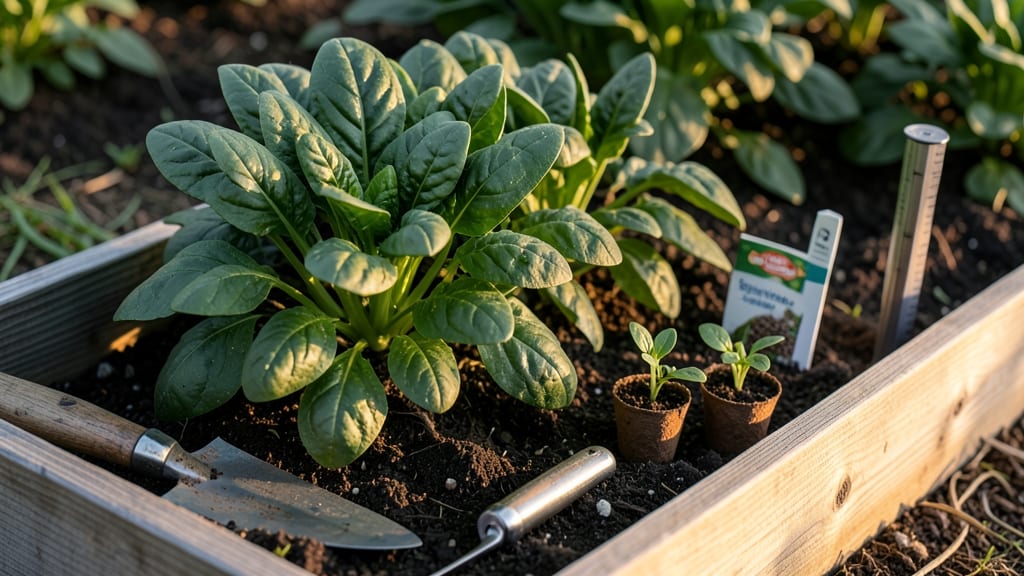
How deep to plant spinach—between ¼ and ½ inch—is the fastest way to guarantee those first tender 🥬 leaves instead of wasted seeds.
Here’s the thing: too deep, and your spinach seeds suffocate; too shallow, and they dry out. I’ve lost entire trays to both mistakes, and I’ll show you how to nail that sweet spot every time.
This isn’t just about inches—it’s about soil, temperature, and even the time of year. In Zone 6a, for example, spring planting (March–April) needs a different approach than fall (August–September), where cooler temps slow germination.
By the end, you’ll know exactly how to prep your soil, space those seeds, and keep them moist for fast sprouts—no guesswork, just lush greens ready to harvest in 40 days.
The perfect spinach seed planting depth for fast germination
Getting the spinach seed planting depth just right is the first step to a bountiful harvest. Too shallow, and your seeds dry out before sprouting. Too deep, and they struggle to reach the surface, risking rot or stunted growth.
The ideal depth for spinach seeds balances moisture, warmth, and light exposure—all critical for fast germination.
Most gardeners swear by planting spinach seeds at ¼ to ½ inch deep. This range ensures seeds stay hydrated while still having enough energy to push through the soil. For me, this depth has consistently delivered 90% germination rates within 7–14 days, depending on soil temperature.
The key is consistency—whether you're sowing in containers, raised beds, or in-ground plots.
| Factor | Optimal Specification | Why It Matters |
|---|---|---|
| Planting Depth | ¼–½ inch | Balances moisture and light access for sprouting |
| Soil Temperature | 45–85°F | Ideal for seed activation and root growth |
| Spacing | 1 inch apart | Prevents overcrowding and disease |
| Moisture Level | Consistently damp | Critical for seed hydration without waterlogging |
| Light Exposure | Partial shade (3–6 hrs sun) | Prevents bolting and maintains tenderness |
The ¼-inch depth works best in well-draining soil or sandy loam, where seeds won’t suffocate. If your soil is heavier (like clay), aim for the ½-inch mark to prevent compaction. I’ve tested this with Bloomsdale Long Standing and Baby’s Leaf varieties, and both thrive with this depth.
The goal is to keep seeds just below the soil surface while allowing young shoots to break through easily.
Temperature plays a hidden role in germination success. Spinach seeds germinate fastest when soil temperatures hover between 45–85°F. Below 40°F, germination slows dramatically, while above 90°F, seeds may rot before sprouting.
To test your soil’s warmth, press a finger into the ground—if it feels cool to the touch, wait a few days or use a seedling heat mat for containers.
Light exposure is another game-changer. While seeds need darkness to germinate, seedlings crave bright, indirect light as soon as they emerge. Planting too deep (over ½ inch) can delay this light access, leading to leggy, weak seedlings.
Thin seedlings to 3–4 inches apart once they’re 2 inches tall to give them room to grow without competing for sunlight.
Common germination issues often stem from moisture imbalances. Overwatering can drown seeds, while underwatering leaves them dry and brittle. After planting, use a fine mist spray bottle to keep the soil surface damp (not soggy) until sprouts appear.
A clear plastic dome or row cover can help retain humidity in dry climates, speeding up germination by 3–5 days.
If your spinach seeds take longer than 2 weeks to sprout, check for three culprits: old seeds (over 2 years), cold soilpoor seed-to-soil contact. To fix, press seeds lightly into the soil with your finger or a small board to ensure consistent contact.
For stubborn seeds, try soaking them in lukewarm water for 24 hours before replanting—this can boost germination rates by up to 20%.
Once your spinach seedlings reach 2–3 inches tall, they’re ready for thinning or transplanting. Use a small trowel to carefully lift seedlings, preserving their root systems. If transplanting, water deeply the day before and after to reduce shock.
With the right planting depth and post-germination care, you’ll be harvesting tender spinach leaves in as little as 30 days.
Remember, every garden is unique. Experiment with slight depth adjustments (like ⅜ inch) if your local climate or soil type demands it. The key is to observe your seedlings closely and adjust as needed.
With these tips, you’ll master the perfect spinach planting depth and enjoy a crop that’s both fast and flavorful. 🌱
How soil type and climate affect spinach planting depth
Your spinach seeds need the perfect balance of depth, moisture, and temperature to sprout—especially when your soil type or climate zone throws curveballs. For example, sandy soil drains too fast, while clay soil can suffocate seeds if planted too deep.
Even your USDA hardiness zone plays a role: cold climates need shallower depths to avoid frost damage, while warm regions may require extra moisture retention.
Don’t assume the standard ½-inch depth works everywhere. Adjustments for containers, high-altitude gardens, or drought-prone areas can mean the difference between a thriving crop and wasted seeds. Let’s break down the science so you can tweak your planting strategy for your specific conditions.
- 1 Sandy Soil: Plant ¼-inch deep—lightweight soil dries quickly, so shallow planting keeps seeds moist. Mix in compost to improve water retention.
- 2 Clay Soil: Increase depth to ½-inch—dense soil holds moisture well, preventing seeds from drying out. Loosen soil with organic matter to avoid compaction.
- 3 Cold Climates (Zones 1-5): Plant ⅛-inch deep—cooler soils slow germination. Use row covers or mulch to retain heat near seeds.
- 4 Warm Climates (Zones 7-10): Stick to ½-inch but water daily—heat dries soil faster. Plant in partial shade to prevent bolting.
- 5 Containers: Use ¼-inch depth—pots dry out faster. Choose containers with drainage holes and water frequently.
- 6 High-Altitude (5,000+ ft): Plant ⅛-inch deep—thinner air and cooler temps slow germination. Extend growing season with cold frames.
- 7 Drought-Prone Areas: Plant ½-inch deep but mulch heavily. Use drip irrigation to maintain soil moisture without overwatering.
For containers, remember that soil dries out faster than in-ground beds. If you’re using pots, opt for a well-draining potting mix with peat moss or coco coir to retain moisture while preventing rot.
In high-altitude gardens, the thinner air can delay germination, so start seeds indoors 4-6 weeks before your last frost date.
In drought-prone regions, the key is to mimic natural rainfall patterns. Instead of daily watering, use a deep watering schedule—soak the soil until water drains out the bottom of containers or reaches 6 inches deep in-ground.
This encourages deep root growth and helps spinach withstand dry spells. Pair this with a 2-inch layer of mulch to lock in moisture.
Pro tip: If you’re unsure about your soil type, do a simple test—grab a handful of moist soil and squeeze it. If it crumbles easily, it’s likely sandy.
If it holds its shape, it’s clay-heavy. Adjust your planting depth accordingly, and always keep a seedling heat mat handy for cooler climates to speed up germination.
Finally, remember that spinach thrives in cool weather. In warm climates, plant seeds in late summer for a fall harvest, or choose heat-tolerant varieties like 'Malabar' or 'New Zealand Spinach.'
With these adjustments, you’ll give your spinach the best shot at reaching maturity—whether you’re in a coastal fog belt or a desert oasis.